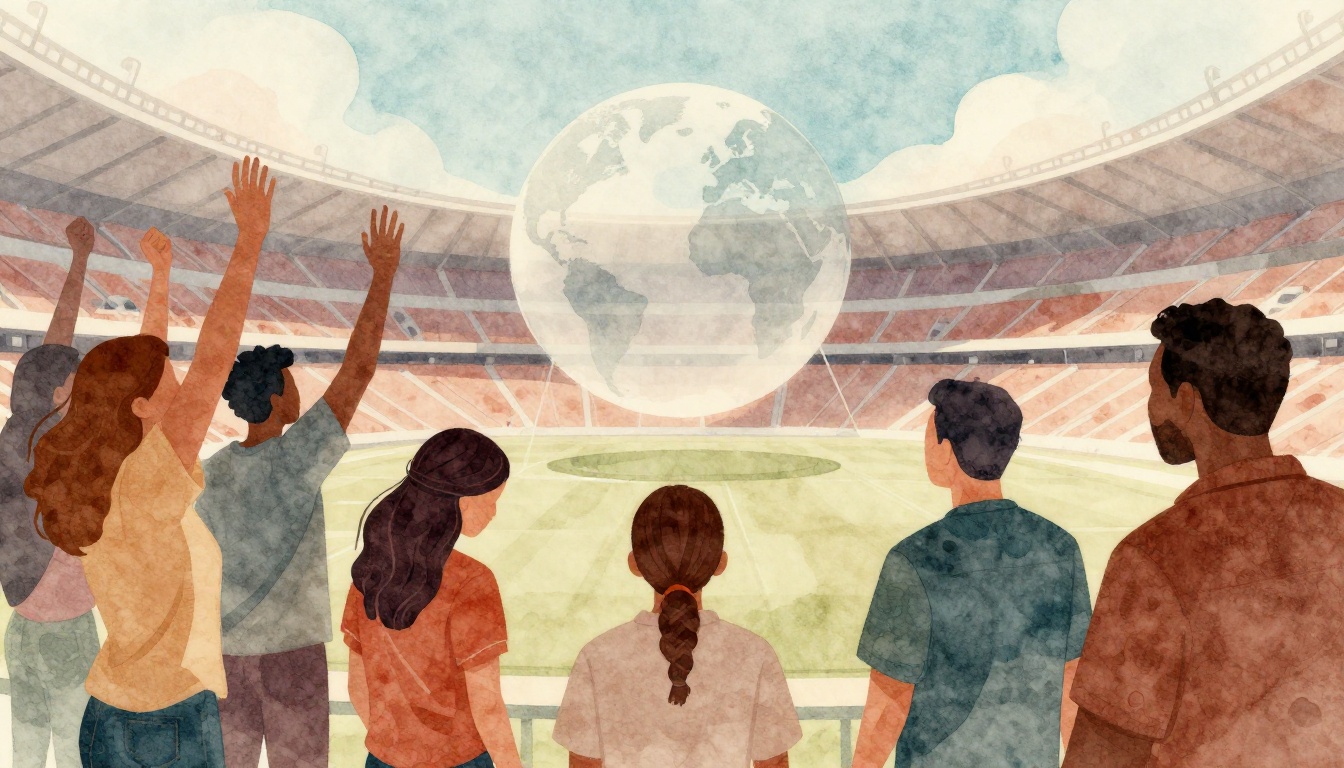
Imagine fans at the 2026 World Cup in Dallas. One group cheers with loud chants and close hugs. Another stands back, bows slightly, and speaks softly. Without quick understanding, small gestures spark arguments. But training in host cities like Rhode Island and Seattle teaches locals to spot these differences. Clashes drop. Everyone enjoys the games.
You face similar moments daily. A coworker from India nods yes but means maybe. A neighbor in Bali skips temple rules and faces backlash. Cultural awareness means you notice and respect how cultures shape beliefs, behaviors, and talks. It starts with self-checks on your own views. That leads to cultural competence, where you adapt smoothly.
Our world connects more than ever. Remote jobs mix teams across time zones. Travel surges post-pandemic. Protests highlight divides. This post breaks down the basics, clears up myths, shares 2026 examples, and shows why it boosts your success. You’ll see how it builds trust in a diverse time.
Breaking Down the Core Elements of Cultural Awareness
Cultural awareness rests on clear parts. First, look at yourself. Next, spot differences. Then, learn facts. Show respect without judging. Build skills like empathy and listening. These steps help you move from noticing to acting well.
Experts like Milton Bennett outline stages in his model. People start in denial, blind to differences. They shift to defense, seeing others as wrong. Then acceptance grows. Adaptation follows. Finally, integration blends views. For details on these stages, check the Developmental Model of Intercultural Sensitivity.
This differs from full competence. Awareness spots issues. Competence fixes them with actions. Both matter in teams or trips.
Take communication. Americans often speak direct. Many Asian groups prefer hints. You listen active, ask clear, and adjust. Food norms vary too. One culture shares meals family-style. Another eats alone. You join without push.
Customs shape work. Punctuality rules in Germany. Flexible time fits Brazil. Dress codes differ. Suits fit offices here. Modest clothes suit Middle East spots.
In short, these elements stack. They prepare you for real talks.
Why Self-Reflection Comes First
Self-reflection kicks it off. You examine your values and biases. Ask what your culture taught you as normal.
For example, you prize on-time starts. But in some Latin spots, events lag 30 minutes. No one slacks. It’s relation first. Spot this gap. You avoid frustration.
Ethnocentrism sneaks in. You think your way beats all. Reflection spots it. Journal your reactions to others. Talk with friends from afar. Read books on your roots.
This base matters because blind spots hurt. You judge fast. Teams suffer. Start small. Note one bias weekly. Progress builds.
Spotting and Respecting Cultural Differences
Next, recognize patterns. Watch non-verbal signs. A thumbs-up means good here. Insult elsewhere.
Holidays shift plans. Diwali lights mean early outs. Ramadan fasts cut lunch meets. Gestures vary. Point with chin in Hawaii. Never back of hand in Japan.
In Bali, touch stays out of rituals. Respect it. Or face fines.
Sensitivity means no snap judgments. Groups differ inside too. Not all Italians gesture wild. Openness wins. Ask polite questions. Listen full.
These habits foster respect. They cut awkward spots.

This image shows friends bridging gaps through talk.
Myths About Cultural Awareness That Trip People Up
Many myths block real progress. Think knowing Spanish makes you aware? Language helps. But hidden meanings hide. A “yes” in Japan saves face, not agrees. Nuance misses without culture digs.
Another trap: your culture tops all. You push direct talks on indirect groups. Deals stall. Pride blinds.
Awareness equals full skill? No. It’s step one. You spot issues. Competence acts. Skip it, and fails follow.
All in a culture act same? Wrong. City folks differ from rural. Ages vary. Individuals shine unique.
These ideas harm. A manager assumes uniformity. Team quits. Traveler ignores rules. Gets banned.
Bust them with facts. Training clears fog. For common pitfalls, see this piece on cultural myths. Questions help too. What myth holds you? Test it next chat.
Why Cultural Awareness Is a Must in 2026: Real Examples
Connections explode in 2026. Remote work mixes US-India teams. Mergers blend norms. Travel hits records. Events like World Cup draw millions. Awareness cuts mix-ups. It builds trust. Inclusion grows.
Stats prove it. Trained teams outperform by 80%. Revenue rises 19%. Turnover falls 25%. Conflicts drop 50%. US firms lead this $2.26 billion market.
Trends push it. 83% stay for strong culture. Remote hides cues. Training fixes that.
In Business and Workplaces
Mergers clash fast. US direct meets India hierarchy. Training speeds fixes. Deals succeed 30% more.
Google apps flag holidays. Turnover drops 15%. Harvard notes 18% faster growth.
DEI mandates rise. California laws require it. Remote empathy combats “recession.” 77% want diverse teams. Training delivers.
Firms bundle software. Executives learn bias spots. Productivity jumps.
Travel, Global Events, and Society
World Cup 2026 trains 71,000 like Qatar. Rhode Island panels teach biases. Seattle workshops cover LGBTQ+ respect. Dallas playbooks cut hate.
892,000 visitors come. Safe spaces win. Bali echoes: respect temples or ban.
US protests spur school programs. Youth sports build pride. Inclusive events lower divides.
EU rules align. Harmony rules events.
Health and Emerging Trends
CDC pushes competence. Clear talks cut gaps. CLAS standards fit services. No-shows drop 20%.
AI tools like CultureAlly hit Fortune 500. Emotional focus grows.
Schools teach empathy. Hate falls. Future workers thrive.
These wins span life. Careers boost. Lives enrich.
Pull It All Together
Cultural awareness spots and honors differences. Self-reflection starts it. Spot myths early. In 2026, it shines in work, trips, health.
Stats scream urgency. Teams win big. Clashes fade. Bridges form.
Start now. Journal one bias. Try free apps. Join World Cup workshops.
Share your story below. How has it helped you? In our diverse world, it lifts careers and connections. Build that inclusive future today.