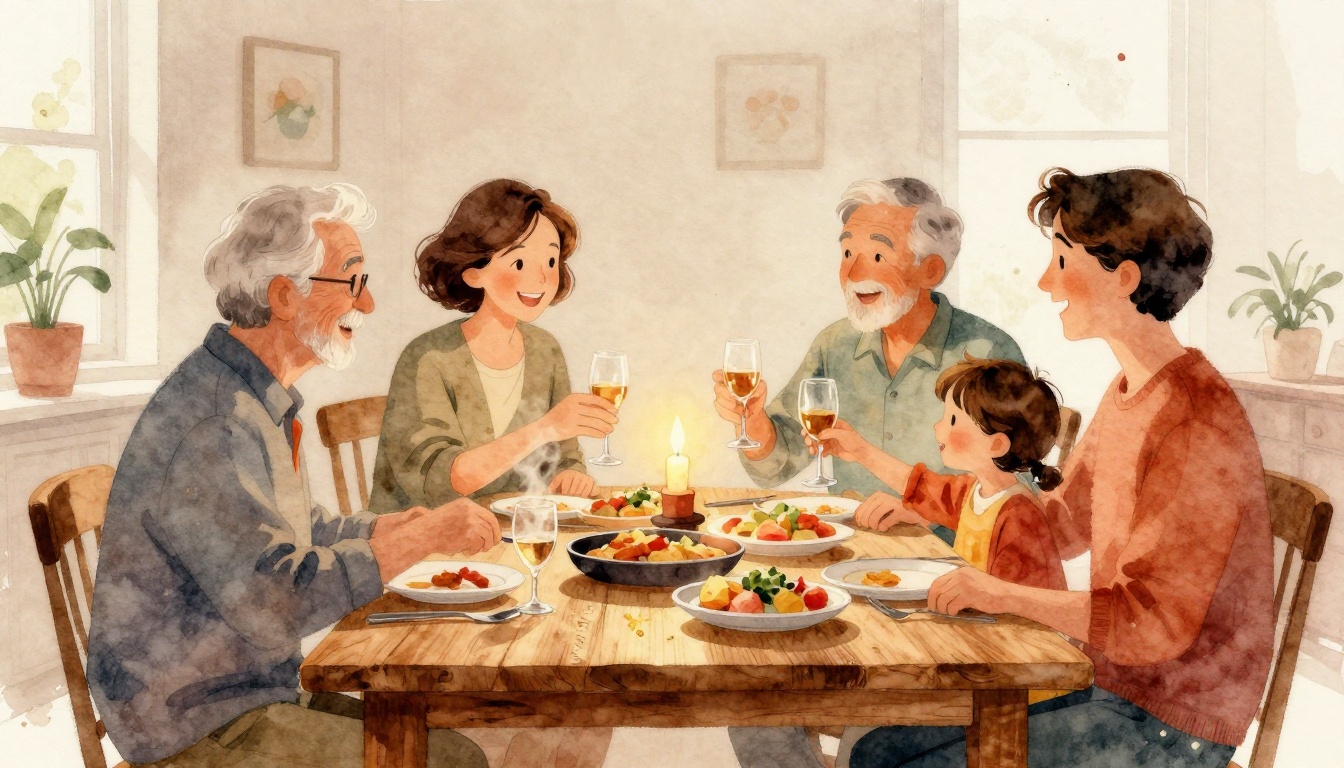
Picture your family gathered around the holiday table. Everyone follows the same rituals year after year: the special toast, the favorite dish, the stories that make you laugh. These moments feel timeless.
Traditions start as simple repeats that build meaning. They connect us to roots and each other. You might wonder how these customs take hold and endure. In a busy world, they strengthen bonds and preserve identity.
This post traces their spark, the paths they travel, examples from afar, and shifts today. You’ll see why they matter for your own family.
What Ignites the Start of New Traditions?
Traditions begin in quiet moments that groups cherish. A shared meal after hardship, or a celebration of survival, plants the seed. Over time, these acts repeat because they comfort and unite. Families often trace them to a key event, like a wedding dance or a bedtime tale from grandma.
Kids pick them up fast. They watch parents and copy without thinking. Praise reinforces the habit. A child learns to set the table just so, and it sticks. These roots create a family culture that flows naturally.
History plays a big role too. Societies form customs from big events or daily needs. A community faces famine, then holds a feast each year to remember. Families inherit these through attitudes and habits. They pass on without lectures, just by living them.
For deeper insights on memory across generations, check Confinity’s take on culture and traditions.
Historical Roots in Shared Stories and Events
Past events shape group identity. A village survives a storm, so they reenact thanks each spring. Norms like language or faith add layers. Institutions, such as churches or schools, lock them in.
Families absorb this unconsciously. Parents share survival tales at dinner. Kids internalize values like hard work or kindness. Studies show cultural memory thrives on these stories. They link personal history to larger ones.
Think of your own background. Maybe a great-grandparent’s migration story sparks an annual picnic. This builds resilience. Readers often spot parallels in their lives. It turns abstract ideas into personal truth.
Psychological Tricks That Make Them Stick
Children’s brains wire for imitation. They mirror role models daily. Family talks seal the deal. In the U.S., parents stress personal tales. Asian cultures focus on group ties. Both mold memory.
Parents teach respect through routines. Greet elders the same way every visit. It shapes roles and morals. Analogy: like a river carving stone over years.
Praise or gentle rules help. A kid recites a prayer, gets a smile, repeats it. This fits personality to culture. Psychology Today explores this power in family dynamics.
The Everyday Ways Traditions Travel Through Generations
Traditions move through close ties. Parents pass them straight to kids in daily life. Siblings share games. Elders add wisdom. Rituals like meals tie it all.
Closeness keeps them alive. Kids ask questions during stories. Answers plant seeds. Spiritual habits slip in quietly, like grace before food. These channels blend to sustain customs.
Proximity matters most. Frequent contact reinforces repeats. Distance challenges it, but calls or visits bridge gaps.
Direct Lessons from Parents and Rituals at Home
Parents lead vertical transfer. They teach holidays hands-on. Bake cookies together, share the recipe’s origin. Manners come at the table: pass salt politely.
Weekly game night builds bonds. Praise good turns, correct slips. Discipline shapes values. Shared meals repeat history. A father recounts his dad’s war stories. Kids feel the weight.
Rituals provide stability. They mark time and teach care.
Learning from Siblings, Peers, and Elders
Horizontal paths run sibling to sibling. Cousins invent games at reunions. Peers at school echo home habits.
Oblique comes from aunts or uncles. They spin yarns on porches. Kids pick variety, yet core stays firm. A niece learns pie crust from auntie, tweaks it slight.
This mix adds color. It prevents stiff copies.
Traditions Around the Globe: Real-Life Examples
Cultures vary in how they form and share customs. Maori stress deep histories. Westerners highlight personal events. Each method forges identity.
Stories dominate in some places. Others lean on foods or festivals. These cases show unique paths.
Maori Storytelling and Personal Histories
Maori in New Zealand link past to future through talk. Parents recount ancestors’ feats from childhood. This builds strong identity.
Rich early memories form because of it. Kids hear whakapapa, genealogies, often. It orients them forward. E-Tangata discusses keeping this alive.
Communities gather for pūrākau, structured tales. They teach lessons without books.
Western Holidays and Family Recipes
In the U.S., chats focus on kid milestones. Birthdays get big retells. Recipes pass closeness.
Turkey at Thanksgiving carries values like gratitude. Families adapt, but core endures. Working-class homes stress obedience through chores.
These build emotional ties.
Traditions in 2026: Blending Old with New Trends
Modern life reshapes customs. Video calls join distant kin for holidays. Online albums share stories.
Diversity mixes flavors: tacos at Christmas. Migration resets habits, creates hybrids. Multigenerational homes rise from costs. Dads share more child care.
Gen Z skips cards for texts, yet craves roots. Non-financial legacies like tales outlast gifts. Tech aids, but face time wins for bonds.
Human8 outlines future traditions blending heritage with tech. Happiness grows from rituals. Parenting improves too.
Hybrids enrich lives. They adapt without loss.
Recent data shows shrinking families challenge repeats. Divorce and fewer kids disrupt. Still, stories endure. Economic stress pushes adaptation. Tech shapes time, but elders’ wisdom persists.
Optimism rules. New ways keep connections strong.
Conclusion
Traditions spark from history, psychology, and repeats. They travel parent to child, peer to peer, ritual by ritual. Global examples like Maori tales or Western feasts show variety. Today, digital tools blend old and new.
Nurture them for deeper ties. They combat isolation in 2026.
Share your family custom below. Or start one this week. What will you pass on?