Picture this. You land in Thailand for vacation. You point at a friend to show excitement. Suddenly, stares turn cold. Pointing counts as rude there; they use the chin instead. Or try the Middle East. You sit with feet up, soles showing. Locals frown. Feet signal dirt, so hide them.
Social norms act as unwritten rules for daily life. They guide greetings, eating, queuing. These rules shift wildly by country. History builds them through wars or famines. Geography adds pressure with crowds or storms. Culture stresses group needs or personal choice. Religion sets purity lines. Economy and politics tweak flexibility.
You see it everywhere. Germans arrive five minutes early. Brazilians show up thirty late, no sweat. Norms vary because each place faces unique pressures. This post breaks down the main drivers. You’ll learn why Japan demands order while New Zealand chills out. Understanding helps you travel smarter and respect differences.
How History and Geography Create Tight or Loose Societies
Tight societies enforce rules strictly. People follow norms close, with little room for slip-ups. Loose ones stay flexible. Folks bend rules without much backlash. Past threats explain a lot. Famines, invasions, plagues push groups to coordinate fast. Survival demands it. Stable times let people relax.
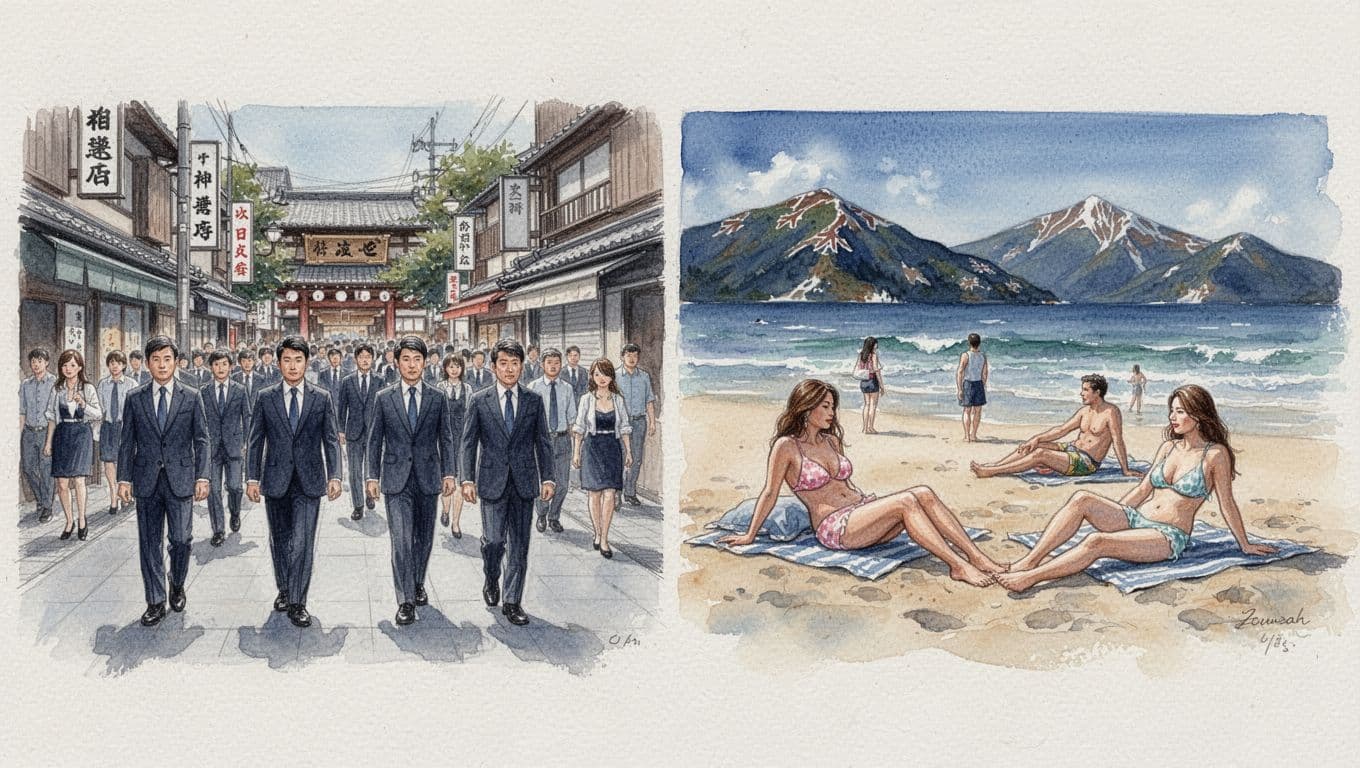
Germany and Japan fit tight. Strict punctuality rules there. Public mess gets quick fines. New Zealand leans loose. Bare feet in stores happen often. College pranks like couch fires draw laughs, not cops.
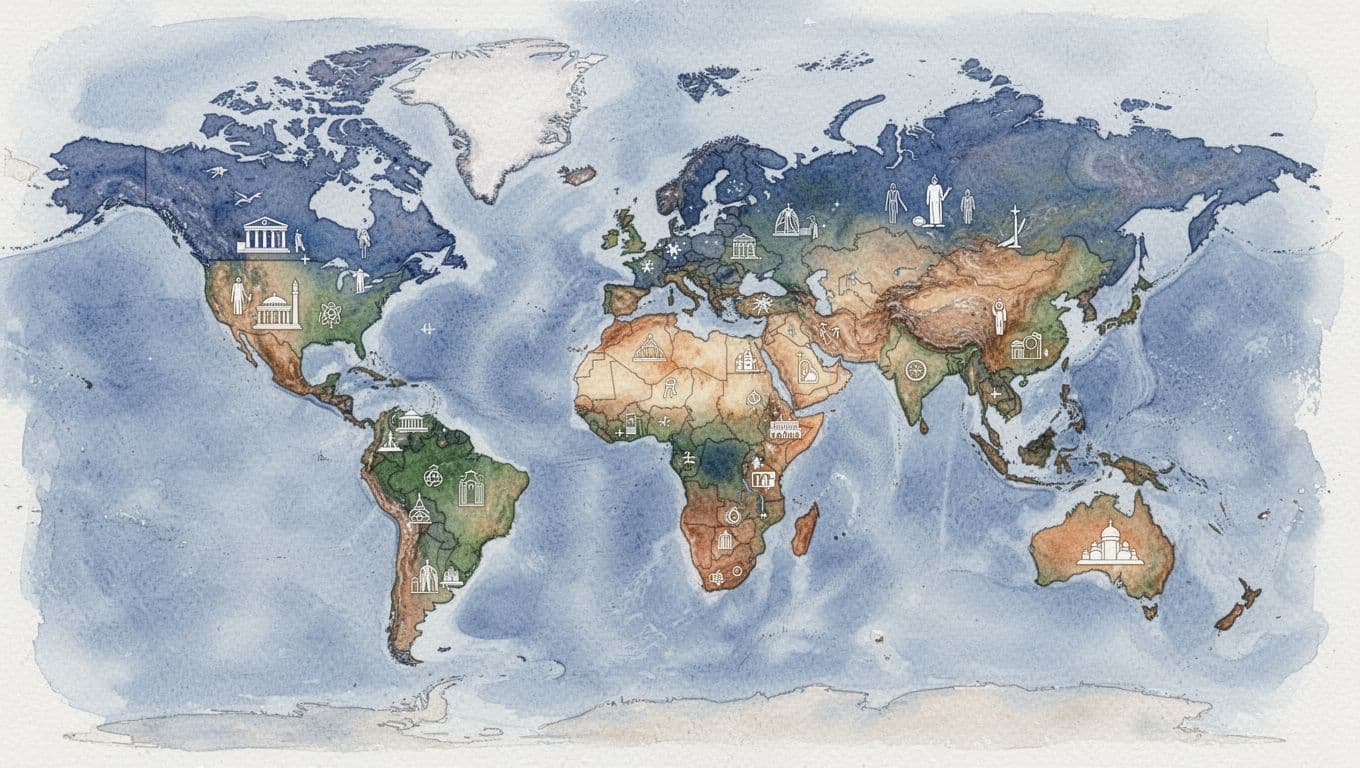
Researchers map this with studies across nations. A 33-nation study on tight and loose cultures shows threats build tightness. Harsh history correlates with strong norms. Visitors notice fast. Miss a train in Japan? Apologize profusely. Lounge late in Brazil? No one cares.
Geography plays in too. Dense cities need order to avoid chaos. Islands face storms, so prep rules stick.
Historical Threats That Demand Strong Rules
Wars and disasters tighten norms over generations. Japan faced earthquakes, tsunamis, invasions. Coordinated action saved lives. Now, trains run seconds on time. Everyone cleans schools after class. Contrast Ireland. Fewer threats let loose vibes grow. Pub chats run long.
Famines work the same. China endured many. Sharing food became norm. Selfish acts draw shame. Stable spots like Canada allow personal quirks. A Stanford study on loose countries like the US notes crises hit harder there. Loose norms slow group response.
History lingers. African slave trades shifted family rules in spots. Matrilineal lines formed for protection. Norms adapt slow, but they stick.
Geography’s Hidden Role in Daily Rules
Crowded places breed tight rules. Singapore packs people tight. Jaywalking fines hit hard. Clean streets matter. Rural Australia stays loose. Space allows freedom.
Harsh climates demand prep. Norway’s winters build punctual habits. Disasters like typhoons in Philippines enforce community aid. Rice farming in Asia tied neighbors close. Wheat spots allowed solo work, looser ties.
Isolation helps too. New Zealand’s distance bred tolerance. Few outsiders meant less threat. Recent data shows geography links to today’s economy. Rough lands slow growth unless norms adapt.
Culture and Religion: The Heart of Unique Behaviors
Culture sets core values. Individualists like Americans prize freedom. Collectivists in China seek harmony. Norms flow from there. Break harmony? Expect fallout.
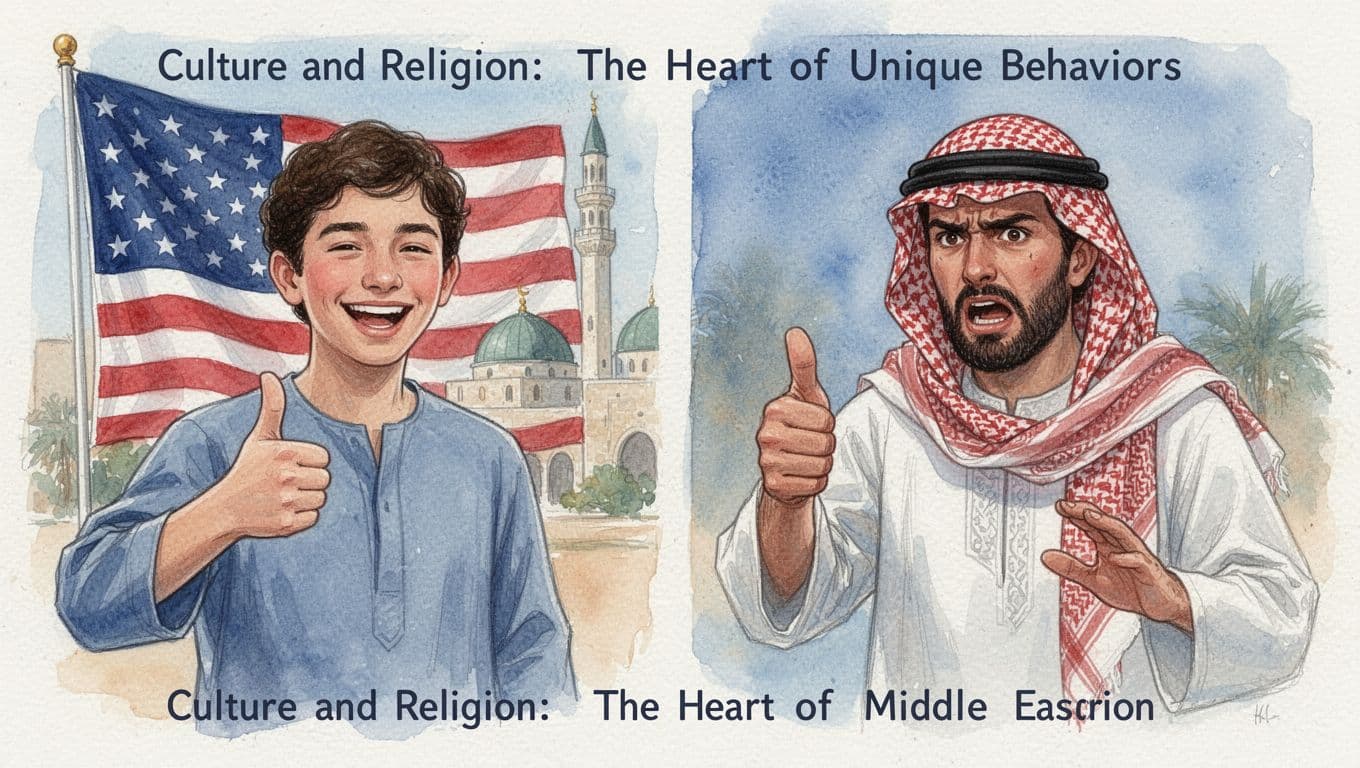
Gestures vary wild. Thumbs-up cheers in the US. In Iran, it insults. Pointing offends Asia. Latin America packs personal space tight.
Religion amps it. Islam bans pork, alcohol. Hindu spots shun beef. These purity rules tighten norms.
Moral views differ. Some hate harm most. Others stress purity. Violations punish different in each.
Individualism Versus Collectivism in Action
Individualists tolerate odd dress or speech. Harm others? Big no. A guide to individualism vs collectivism differences explains it. US folks speak minds free. China prioritizes group face.
Daily life shows. Americans sue for rights. Japanese avoid conflict. Collectivists punish rudeness hard. It disrupts peace. Individualists focus harm, like bullying.
Space fits here. Brazilians stand close, touch arms. Northern Europeans back off. Norms reflect values. Ignore them, feel awkward fast.
Religious Rules That Shape What Feels ‘Right’
Purity drives many. Muslim countries veil for modesty. Feet off furniture in Middle East. Shoes off in Japanese homes, not always US ones.
Drinking ages vary. US sets 21. Others lower or ban. A Pew report on religion’s societal impact shows views differ. Some see faith tightens good behavior. Others link it to restrictions.
Kids learn early. Stories tie beliefs to acts. Geography sparks faiths, faiths set norms. Mix creates unique feels.
Economy, Politics, and Modern Shifts in Norms
Wealth buys looseness. Rich, stable spots afford risks. Poor ones tighten for control. High power distance accepts bosses’ rules strict.
Politics sways too. Democracies allow voice. Authoritarians demand order.
Trends shift now. Norms loosen global. Less purity focus, more care/harm. A 2026 study on norm conformity finds interventions work same in tight or loose. Education spreads WEIRD values: individual freedom everywhere.
US college debt norms contrast Europe’s free tuition. Germany clocks strict. Argentina flows easy.
Wealth and Stability’s Effect on Flexibility
Rich nations loosen. Safety nets allow experiments. Economic stress tightens. Recessions spike rule-following. Stable politics help. Threats like pandemics push tight fast.
Data backs it. Loose spots innovate more but litter some. Tight ones order streets, grow steady.
Today’s Trends Making Norms Looser Yet Kinder
Norms relaxed past 20 years. Free societies strict on disrespect now. Recent research shows education aligns values global. College grads think alike worldwide.
Balance wins. Tight for order, loose for ideas. Global woes test it. Travel spreads mix.
History and geography set tight-loose lines. Culture, religion craft behaviors. Economy, politics add flex. Norms evolve, but roots hold.
Next trip, watch close. Adapt gestures, times. Share your shocks below. What norm tripped you? Subscribe for more tips. Diversity enriches us all. Embrace it.