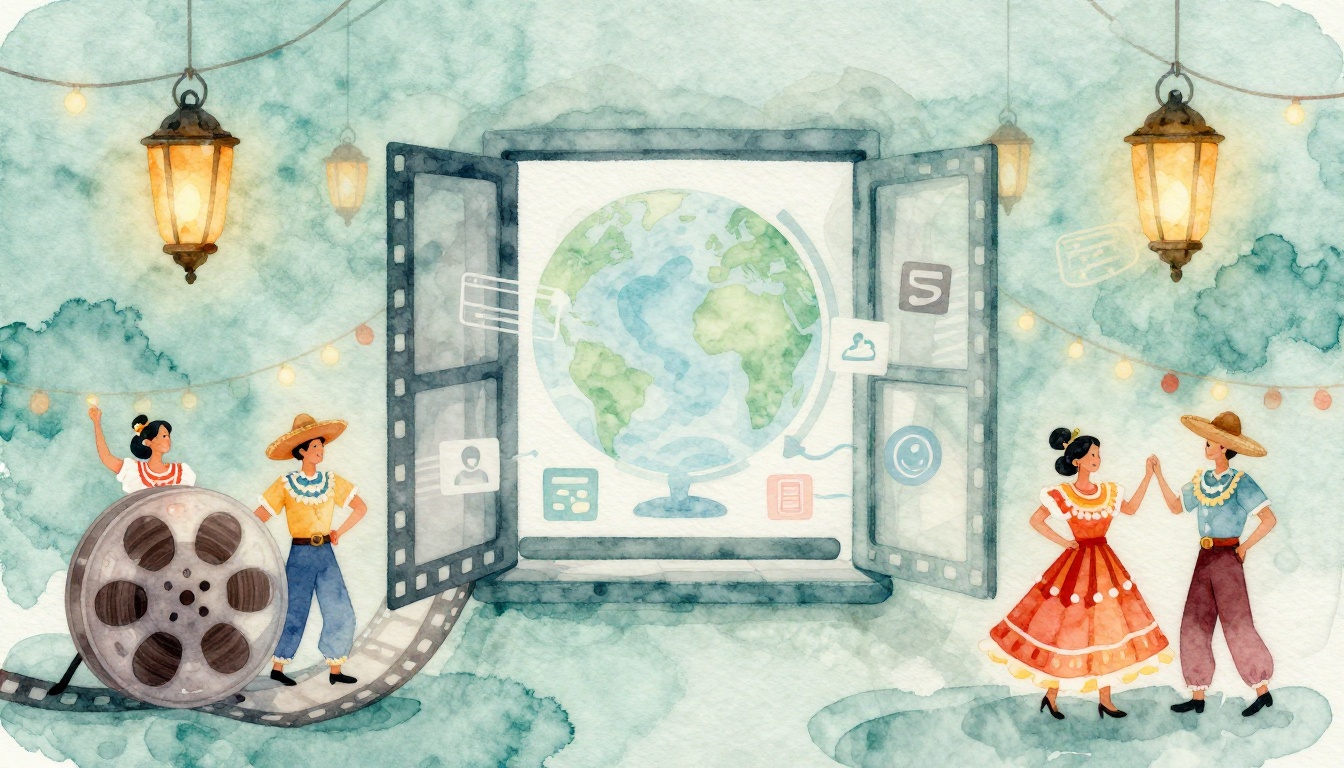
You watch a blockbuster movie about a vibrant festival in Mexico. Laughter fills the screen as families dance under colorful lights. Suddenly, you crave tacos and plan a trip. Media does that. It slips into your daily routine and colors how you see people from other places.
In 2026, social media blasts these stories nonstop. TikTok clips and Netflix series shape ideas fast. Yet this power cuts both ways. Positive portrayals build connections. Stereotypes create walls. Recent stats show Hollywood diversity dropped sharply, affecting views on race and ethnicity. Let’s explore movies, news, social platforms, and real-life impacts.
Why Movies and TV Shows Build or Break Cultural Bridges
Films and series act like windows to other worlds. They can show clear views or smudged ones. A clean window invites empathy. A dirty one spreads myths. In 2026, viewers crave real stories. Diverse shows earn higher ratings from everyone. But cutbacks hit hard. Studios like Disney scaled back programs after political shifts.
Over half of Black viewers seek authentic characters. Many Asian and Hispanic audiences trust diverse creators most. Gen Z spends 96% of video time on digital platforms. They cut traditional TV by 57%. Social media feels more inclusive to 60% of them. Yet tropes linger. Think villains with thick accents or sidekicks who comic relief.
These patterns stick because we watch repeatedly. They form quick judgments. Positive media flips that script.
Heartwarming Stories That Spark Real Understanding
Imagine a show where a Korean family shares kimchi at dinner. Laughter mixes with stories of grandma’s recipes. You feel the warmth. Such scenes build bonds. They highlight joys like festivals or family rituals.
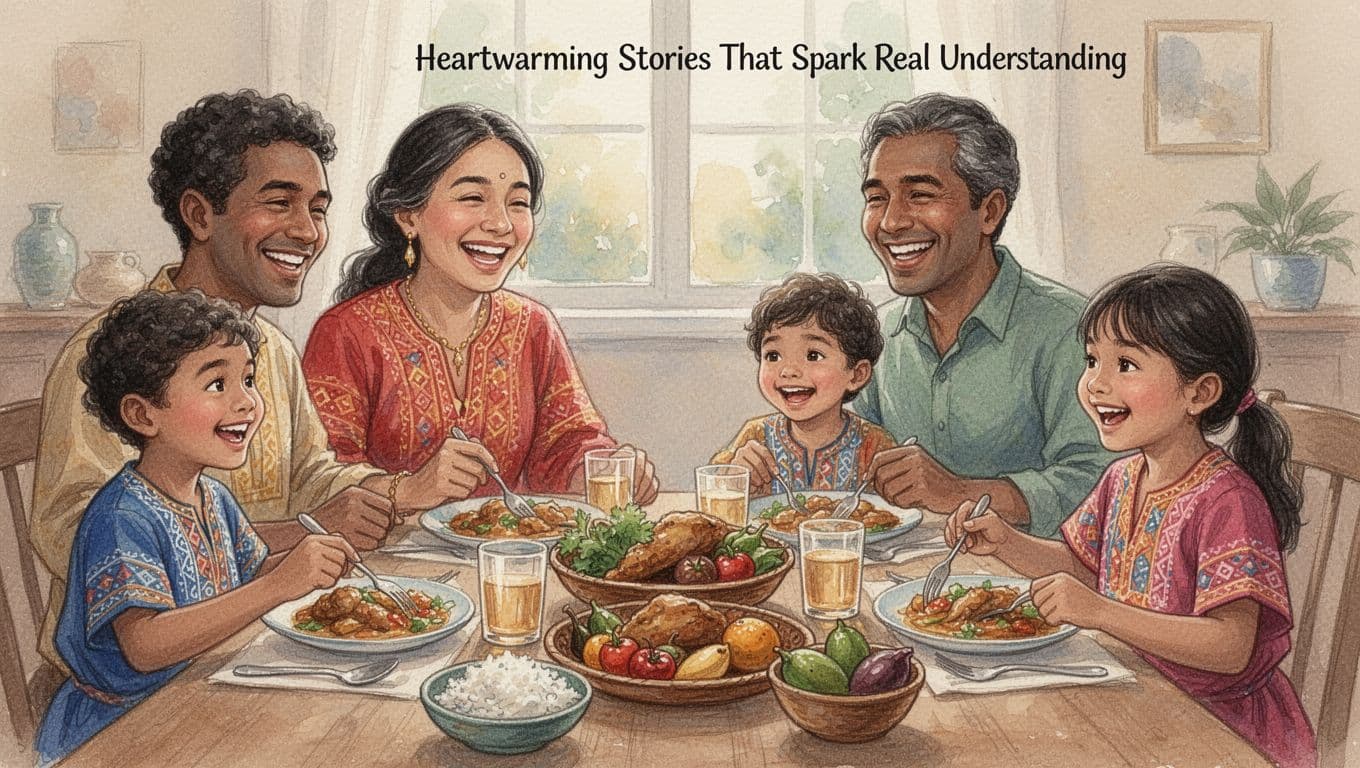
Recent hits prove it works. Diverse casts draw loyal fans. Gen Z finds social media 60% more welcoming than TV. They average 6.9 hours daily on content. Short clips from creators feel real. As a result, viewers connect deeper. Loyalty grows when people see themselves.
Brands notice too. Inclusive stories boost appeal across groups. You start to value traditions you never knew.
Tricky Stereotypes That Sneak In and Stick Around
Now picture a film where every Middle Eastern character plots evil. Accents exaggerate. Roles repeat. These shortcuts harm. They paint whole groups with one brush. Hollywood faces calls for change, yet diversity dropped in 2026 per UCLA report.
Younger folks ditch TV. Under-35s get news from creators at 48% rates over traditional 41%. TikTok draws skepticism. AI deepfakes add fake clips. One viral video twists a holiday into chaos.
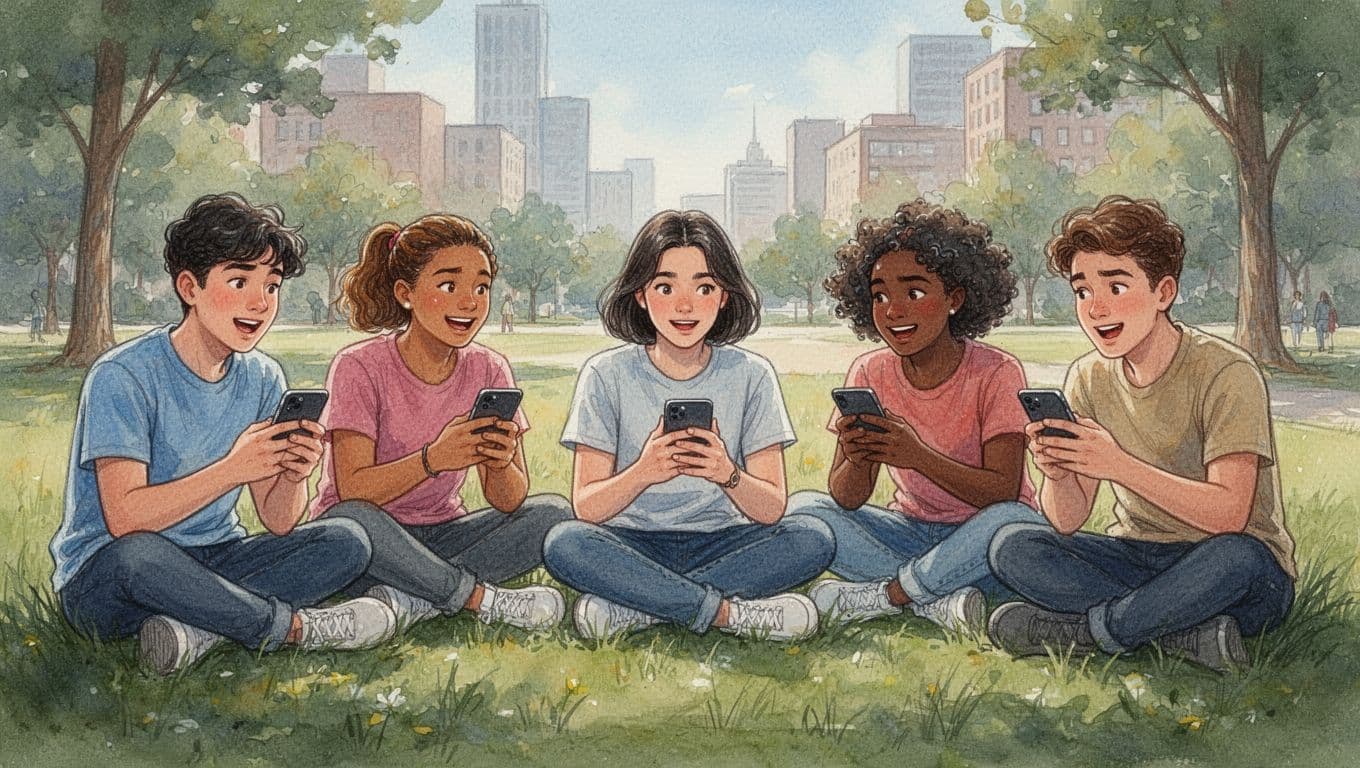
Still, awareness rises. Gen Z spots bias quick. They seek balanced views. Media must adapt or lose trust.
News and Social Media: Spinning Tales That Change How We See the World
Fast news cycles twist stories. Platforms like TikTok reach 37% of U.S. adults in 2026, up from 21%. Creators mix facts with flair. This amps cultural tales. Old outlets face bias claims. BBC draws fire. Meanwhile, YouTube hits 93% among 18-29s.
Social feels inclusive to over 40%. But spins creep in. Algorithms push what grabs eyes. Misinfo spreads. One clip warps a protest into riot. Viewers form opinions in seconds.
Examples abound. Viral dances celebrate heritage. Yet fakes mock accents. Trust shifts to creators. They build micro-communities.
Old-School News vs. Creator Vibes on TikTok and YouTube
Traditional news lags. Under-35s pick creators 48% to 41%. TikTok grew to 37% adults. Half of 18-29s check daily.
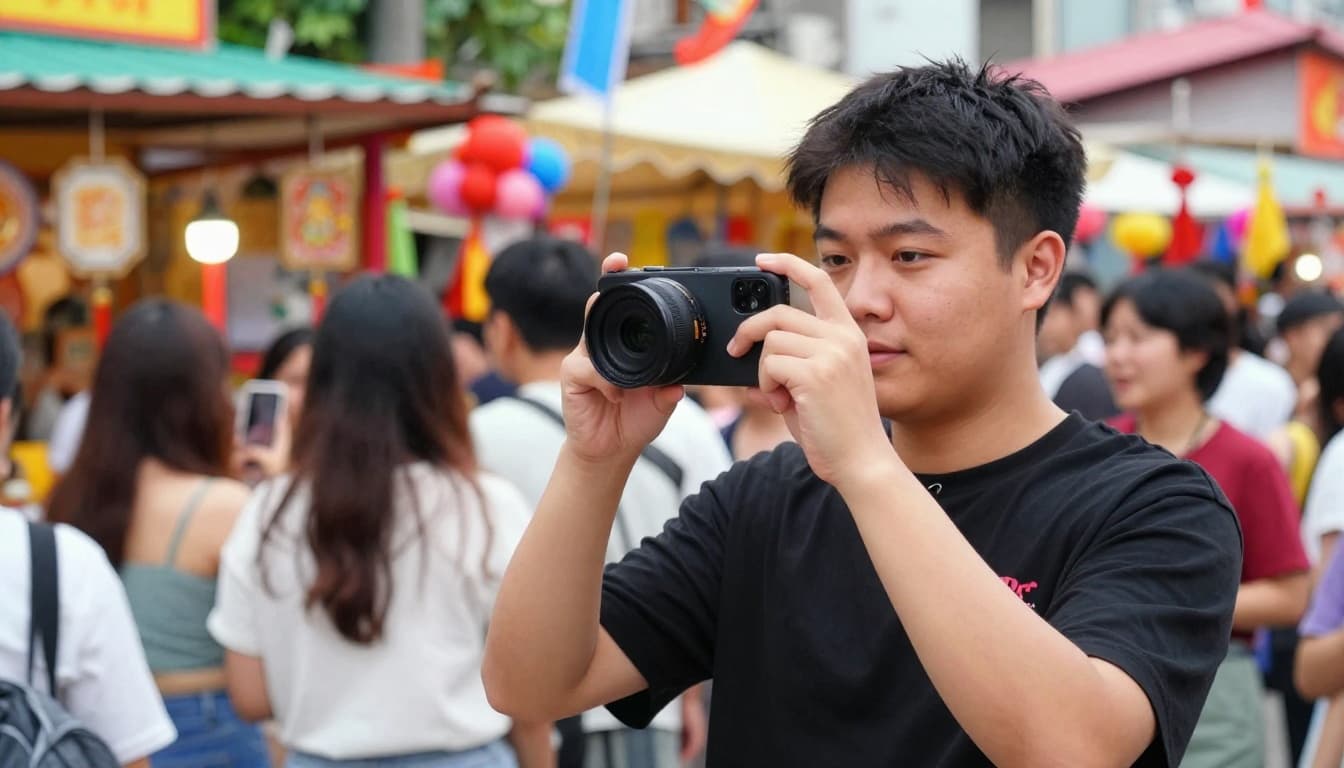
A creator at a Diwali market shares real joy. No script. Viewers trust that over polished reports. TikTok misinformation worries experts, as one study flags 25% problematic posts. Yet authenticity wins.
The Double-Edged Sword of Viral Cultural Clips
Pros shine. Relatable creators top Hollywood stars. Clips unite niches. Cons hit hard. Quick fakes distort. Deepfakes fake traditions.
In 2026, hybrids emerge. Creators partner with outlets. Trust builds. Viewers gain balanced takes. Positive clips inspire. They shift how we greet neighbors.
Real Ways Media Shifts Our Actions and Wallets
Views lead to choices. Diverse groups make up one-third of U.S. consumers. They drive big spending. Inclusive media earns 71% more loyalty in some stats. 59% prefer diverse ads overall.
Brands chase creators. Authentic reach sells. Feeling seen boosts buys. Black buying power hits $2 trillion. 70% drop disloyal brands.
Travel surges too. A series sparks trips. Communities form from clips.
How Feeling Seen Boosts Spending and Loyalty
Ads with real faces move people. 64% act on inclusive ones. Hispanics and LGBTQ+ hit 85%. Millennials reach 77%.
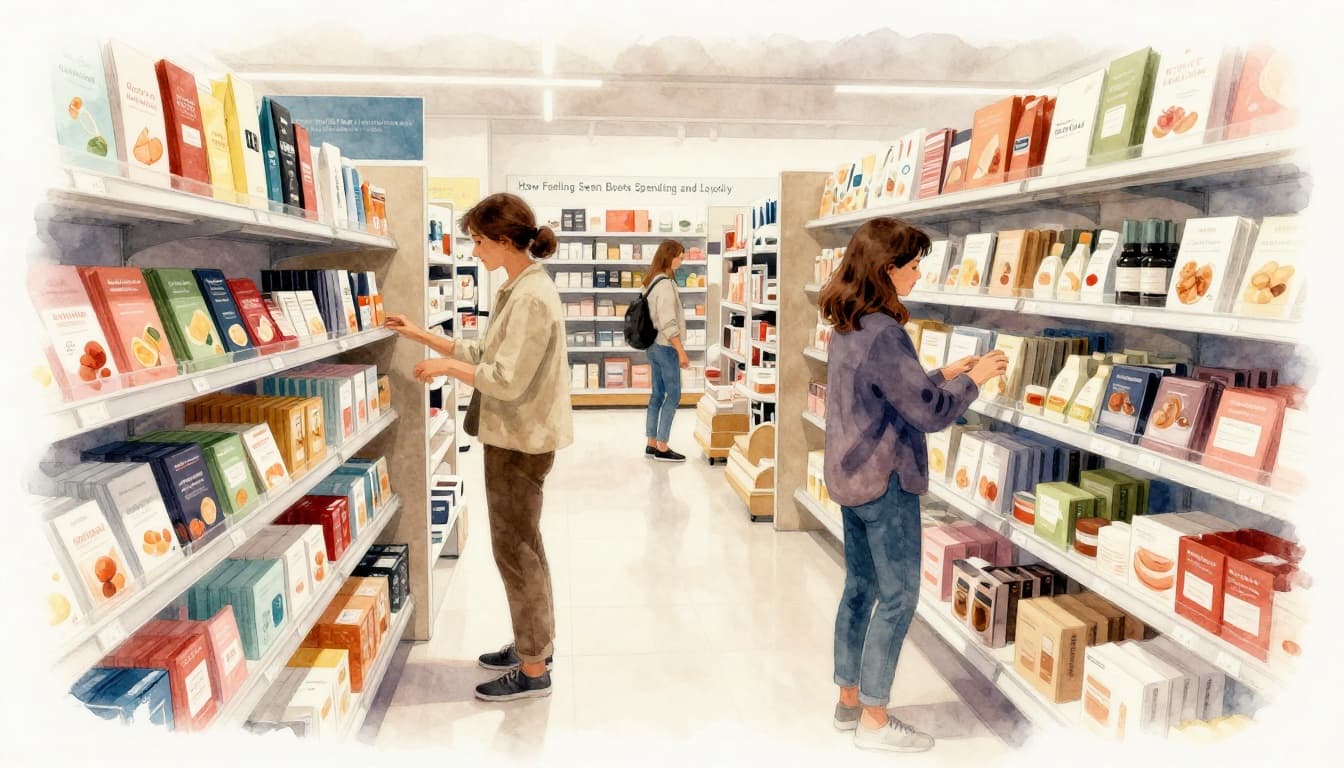
Creators blend culture and commerce. Viewers spend more. Loyalty sticks when reps match life.
From Screen to Street: Lasting Changes in Daily Life
Screens change streets. Travel to festivals rises. Neighbors share foods from shows. Echo chambers warn, but positives dominate.
Diversity drops hurt. Yet demand persists. Viewers choose wisely.
Media builds bridges or walls. Movies spark empathy. Social amps voices. Actions follow. Spot biases daily. Seek diverse sources. Back real creators.
In 2026, authenticity trends up. Share your story below. What media shifted your view?