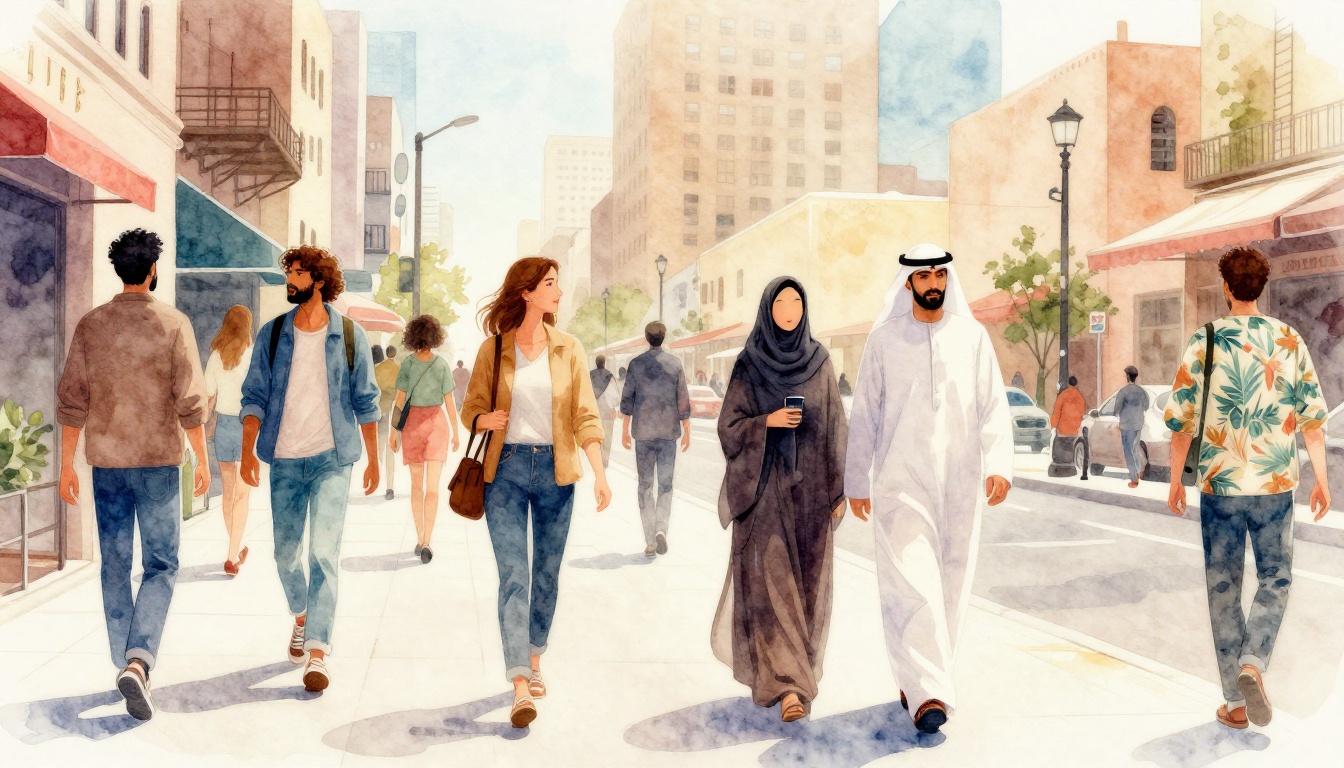
Picture jeans and sneakers on a busy New York street. Now imagine an abaya flowing in Riyadh’s heat. These outfits show how clothing norms vary across societies. Religion, climate, traditions, and status shape what people wear every day. In 2026, sustainability and comfort add new twists.
You might pack shorts for a beach trip. Yet in some places, that choice offends local customs. Understanding these differences builds respect. It helps travelers fit in and avoid mistakes. This article looks at key drivers, regional styles, and global shifts. You’ll see why clothes tell stories worldwide.
What Drives Clothing Choices in Different Places
Clothes do more than cover the body. They reflect a society’s values and needs. Religion demands modesty. Climate calls for practical layers. Traditions signal identity and wealth. These forces mix to form unique norms.
Religion Sets Modesty Rules
Faith often dictates coverage. In Islam, women wear hijabs or abayas to protect honor. Men don thobes for similar reasons. Hindu women drape saris to show devotion. Christians cover heads in some churches.
Indigenous groups use feathers in rituals. These items honor spirits. Secular places like the West focus less on religion. People choose freely there. Yet faith still influences many daily outfits.
Climate Shapes Fabrics and Coverage
Hot areas need breathable clothes. Loose robes in African deserts keep wearers cool. Light cottons suit India’s humidity. Cold Andean peaks demand wool ponchos.
Winters bring coats everywhere. Summers favor shorts in mild spots. Fabrics adapt to weather. They help bodies stay comfortable. This practical side unites all societies.
Traditions and Status Send Signals
Customs embed stories in cloth. Embroidered patterns show tribe history. Kente cloth in Ghana displays wealth through bright weaves. Gold threads mark weddings.
Luxury brands like Chanel signal status in the West. Indigenous beads tell personal tales. These signs build pride. They separate everyday wear from special events. For deeper insights on cross-cultural patterns, check this study on uniformity in dress.
Casual Everyday Looks in Western Societies
Europe and North America favor easy styles. Jeans pair with t-shirts for daily life. Suits fill offices. Sneakers top most feet.
Status shows in brands. Tweed suits or designer vests mark success. By 2026, comfort rules. Raw denim jeans lead trends. People layer vests over shirts. Wellness outfits mix athleisure with streetwear.
Old rules fade. No more strict dress codes. Sustainability grows big. Digital tags track repairs for long life. Clothes last longer now.
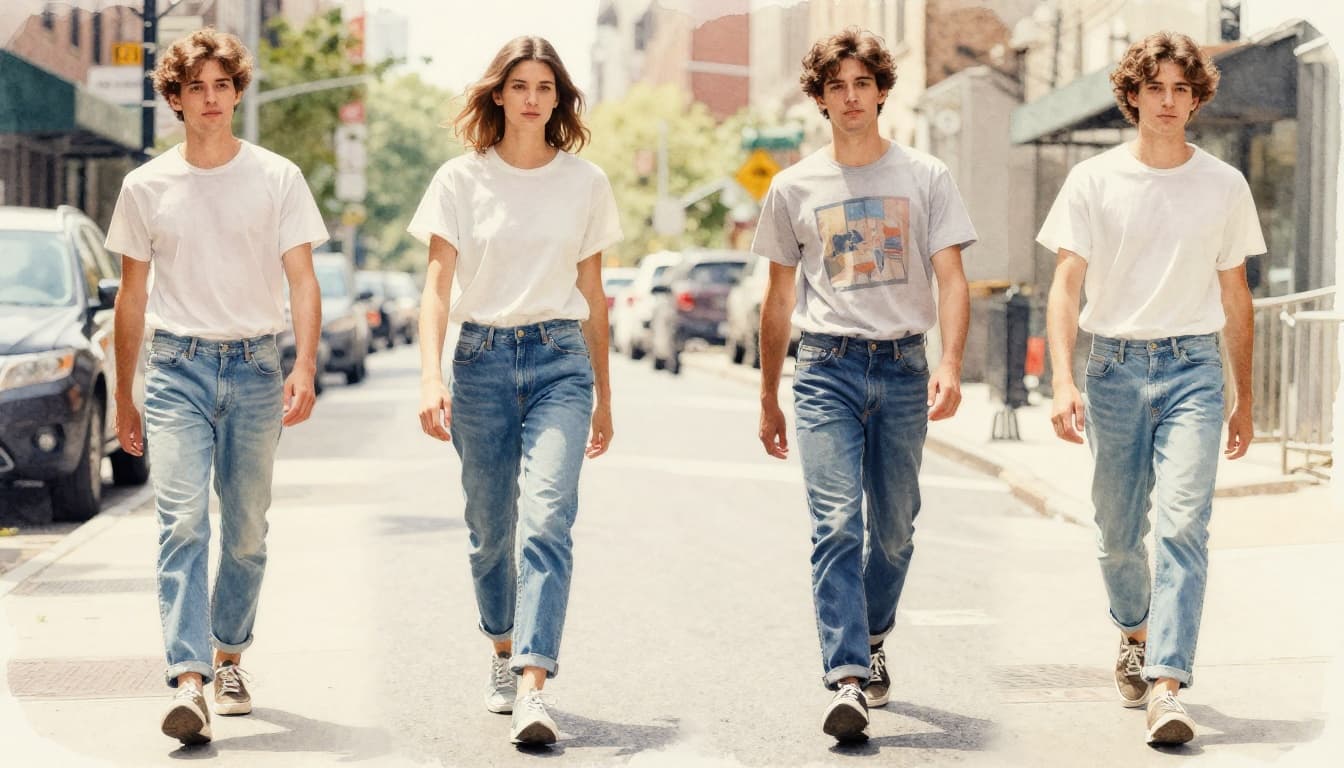
This image captures 2026 street style. It blends denim with relaxed vibes.
Modest Coverage in Middle Eastern Cultures
Saudi women wear flowing abayas. Iranian rules add hijabs for women. Men choose white thobes. Islam guides these choices. Desert heat favors loose fits.
Family honor matters most. Coverage shows respect. Youth mix jeans under layers. They blend old and new.
In 2026, modest fashion booms. Sustainable fabrics lead. Brands offer ethical options. See modest trends for 2026. Colors pop more. Yet modesty stays core.
Colorful Traditions Across Asia and Africa
Asia bursts with vibrancy. Indian saris drape in silks. Chinese qipaos hug with slits. Japanese kimonos layer for occasions.
Africa shines too. Nigerian kitenge wraps bold prints. Ghana’s kente tells stories. Maasai shukas stay simple yet striking. Heat suits light weaves. Status adds gold.
Buddhist robes signal peace. By 2026, West adopts collars and prints. Streetwear mixes in. African trends push natural fibers and crafts, as noted in 2026 African fashion insights.
Indigenous and Latin American Styles Full of Story
Navajo velveteen skirts honor heritage. Eagle feathers mark ceremonies. Australian groups use minimal hides.
Latin America weaves tales. Mexican huipils embroider symbols. Peruvian ponchos fight cold. Brazilian carnival adds feathers. Spirituality ties to cloth. Catholic whites blend in.
Climate and faith shape fits. Appropriation worries grow. Online sales reclaim styles sustainably now.
Global Trends Blending Norms by 2026
Travel spreads looks. Dupattas trend in West. Sustainability unites all. Eco-cottons and mushroom leather rise. Digital passports track origins.
Comfort beats stiff rules. AI designs durable pieces. Tariffs boost local makes. Climate pushes tough fabrics everywhere. Mixes grow. Debates follow. Clothes bridge cultures yet spark talks. For cultural expression examples, visit this guide on dress worldwide.
Clothing norms vary because societies face different needs. Religion, climate, and traditions build them. Globalization blends styles in 2026. Sustainability and comfort link us all.
Respect local ways on trips. Try outfits mindfully. Support ethical brands. What’s the boldest clothing norm you’ve spotted? Share below. Diversity in dress enriches us.