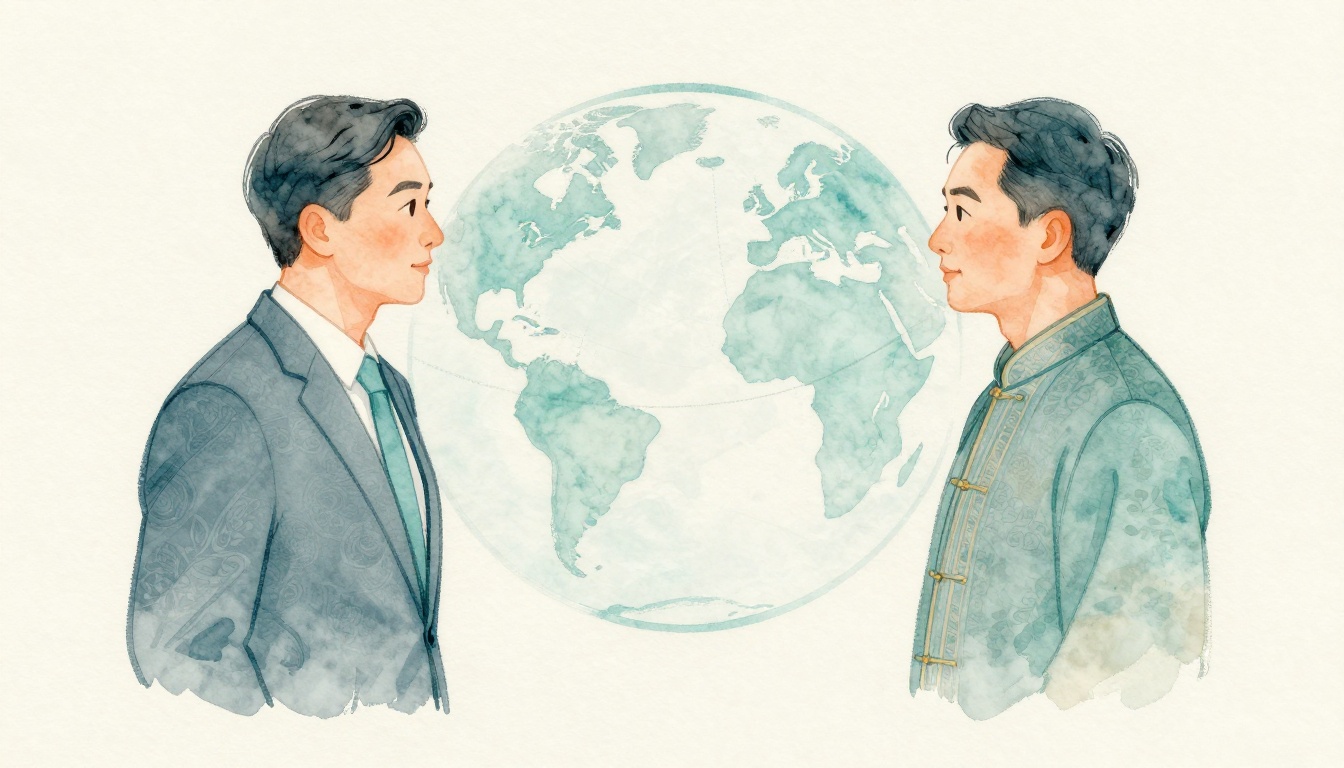
Imagine this: Swatch launches a 2024 ad for its ESSENTIALS Collection. An Asian model pulls the corners of his eyes up and back. In China, viewers explode in anger. They see it as a racist “slanted eyes” mockery. The company pulls the ad worldwide and apologizes fast. Still, trust erodes in a key market.
Tone means how you say something. Think voice pitch, word choice, or directness. Context covers the background you share. It includes hints, relationships, and non-verbals. These shape every chat.
In 2026, remote teams span continents. Travel surges post-pandemic. Business deals cross borders daily. A wrong tone or missed context sparks fights, lost sales, or stalled projects. You face this in emails, meetings, or casual talks.
Mastering tone and context stops mix-ups. It builds real bonds. This post breaks down failures, key differences, and fixes. You’ll walk away ready to chat smarter across cultures.
Real-Life Fiascos That Show the Stakes
Cross-cultural slips cost big. Brands lose millions. Teams grind to a halt. These stories prove tone and context aren’t optional. They decide if you connect or crash.
Take Swatch’s 2024 blunder. The gesture seemed playful to some. In high-context China, it insulted deeply. Social media lit up with boycotts. Swatch’s apology came quick, but damage lingered. Sales dipped amid other woes.
Schweppes faced a similar flop in Italy. Their “Tonic Water” name rang like “toilet water” slang. Italians linked “tonica” to bathroom talk. No one bought the drink at first. The brand switched to “Tonica” and ran ads to fix it. Sales recovered, but the lesson stuck.
Global teams suffer too. Direct U.S. leaders push yes-or-no answers. Asian colleagues give hints to save face. Input gets ignored. Frustration builds.
Marketing Mishaps That Went Viral for the Wrong Reasons
Ads amplify tone and context errors. Swatch’s visual gesture hit China hard. Pulling eyes mocked features in a culture sensitive to history. Weibo users raged. One called it discrimination that chased away customers.
Schweppes’ name flop showed word context matters. Italians heard “il water” for toilet. The drink seemed gross. Nicknamed “Schweppes Toilet Water,” it bombed until rebranded. These cases went viral. Backlash led to pulls and apologies.
Brands now test ads locally. Ignore culture, and you fuel outrage. Money vanishes fast.
Team Breakdowns in International Workplaces
Work teams clash over styles. Low-context bosses from the U.S. demand blunt feedback. High-context workers from Asia use silence or hints. They avoid conflict for harmony.
Results hurt. Decisions stall. A 2026 study notes delays from mismatched urgency reads. Attrition rises as felt-ignored staff quit. Shadow hierarchies form. Leaders miss them.
Compliance risks grow too. Wrong tone in instructions leads to errors. Projects fail at 44% from miscommunication. Trust breaks. Morale tanks.
These fiascos show stakes. Lost time, talent, and cash add up quick.
Unpacking High-Context vs Low-Context Communication Worlds
Cultures split into high-context and low-context camps. High-context groups lean on shared background. They read hints, tone, and gestures. Low-context ones spell it out. Words carry the load.
Japan and China top high-context lists. Relationships rule. Save face above all. The U.S. and Germany go low-context. Get direct for clarity.
Non-verbals differ too. Strong eye contact builds trust in the West. In Asia, it feels rude. The OK sign means fine here. In Brazil, it’s obscene.
Mismatches confuse everyone. Business stalls. Friendships fray.
For a full list of examples of high and low context cultures, check this breakdown.
Here’s a quick comparison:
| Aspect | High-Context (e.g., Japan, China) | Low-Context (e.g., U.S., Germany) |
|---|---|---|
| Main Message | Hints, non-verbals, relationships | Explicit words, details |
| Tone Style | Indirect, soft to save face | Direct, blunt for speed |
| Silence Means | Thought or no | Agreement or wait |
| Eye Contact | Minimal, respectful | Steady, shows confidence |
This table highlights core gaps. Use it to spot patterns fast.
How Indirect Hints Build Harmony in Some Cultures
High-context talks focus on group good. In India or Asia, a soft “maybe” hides no. It keeps peace.
Americans miss these cues. They push for yes. The hint-giver feels attacked. Harmony cracks.
Relationships build first. Context fills gaps. Tone stays gentle. This avoids shame.
Why Direct Talk Rules in Others and Feels Rude Elsewhere
Low-context folks prize efficiency. Germans state facts plain. U.S. teams debate openly.
This shocks high-context partners. Blunt words seem harsh. No face-saving wrapper.
Non-verbals amp it. A firm gaze pushes in the West. Elsewhere, it invades space.
Adapt or confuse follows.
Smart Strategies to Adapt Your Tone and Context Every Time
You can bridge gaps with habits. Learn your partner’s style. Match their pace. Test ideas locally.
Start small. Ask clarifying questions. Soften feedback. Role-play scenarios.
A 2026 study shows training cuts attrition 30%. Teams speed up. Engagement rises.
Build these into routines. One workshop won’t stick. Practice daily.
See a high vs low context survival guide for more tactics.
Tune Into Non-Verbal Cues and Gestures First
Gestures trip people up. Skip the OK in Brazil. Dial back stares in Japan.
Watch body language. Leaning in shows interest everywhere. Crossed arms? Check culture.
Mirror lightly. If they nod subtle, follow suit. Read tone from pitch too.
Practice with videos. Locals spot risks you miss.
Craft Messages That Fit Any Cultural Mix
Tailor emails. Low-context? Keep short and clear. High-context? Add rapport builders.
Use “I think” or “perhaps” to soften. End with questions: “What do you mean?”
In meetings, confirm: “Do you agree?” Silence varies.
Test drafts with natives. Tools help, but humans catch nuance.
These steps work for chats, deals, or teams.
Tone and context shape every cross-cultural talk. Swatch’s gesture flop and Schweppes’ name miss show real risks. High-context hints clash with low-context directness. Teams stall without fixes.
You hold the power to adapt. Pick one strategy today. Check a gesture before your next trip. Or soften an email.
Stronger bonds await in 2026’s connected world. Practice builds trust. Your teams thrive. What cue will you tune first?