You have probably heard that nonverbal cues make up 93% of communication. That number comes from a misunderstanding of Albert Mehrabian’s 1971 study. He found that in cases of mismatch between words, tone, and face, people trust the body language at 55%, tone at 38%, and words at just 7%. Recent 2023 research confirms nonverbal signals shine brightest during emotional moments, like apologies, where posture and eyes build or break trust.
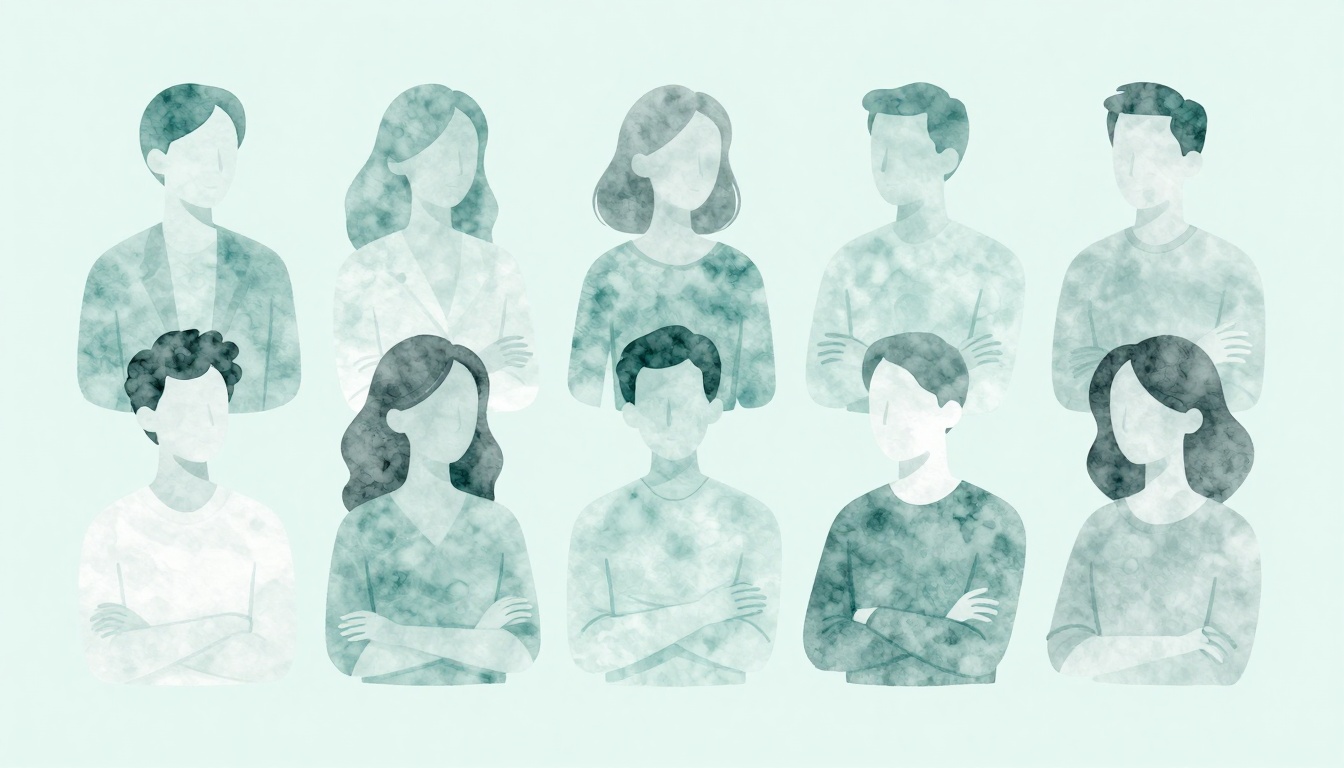
Spotting these signals helps you strengthen friendships, nail job interviews, and dodge mix-ups at work or home. For instance, a friend’s crossed arms might signal stress, not anger. This article breaks down key categories: facial expressions, eye contact, posture, gestures, personal space, and touch. Meanings shift with culture and context, so look for clusters of signals, not one alone. You’ll learn everyday examples and tips to read people better.
Basic emotions like joy or fear appear universal, yet small cultural twists exist. In North America, direct eyes show respect. In parts of Africa, less contact honors elders. Practice helps you spot clusters for accurate reads. Ready to decode faces first?
Facial Expressions That Give Away Your Real Emotions
Faces reveal true feelings faster than words. Psychology shows smiles, brows, and jaw moves as top signals. Recent insights highlight how these work in meetings or dates.
A genuine smile lights up the eyes with crinkles. It signals real happiness or agreement. People respond warmly because it builds instant connection.
Fake smiles stay on the mouth only. They lack warmth and often mean politeness or hiding doubt. Watch for flat eyes next time someone says “fine” through gritted teeth.
Stress shows in clenched jaws or quick blinks. These hint at nervousness under pressure. In a tense team huddle, rapid blinks might mean someone hides worry.
Blank faces, or poker faces, create distance. They seem cold or unfeeling. Use them sparingly, or others might pull away.
Micro-expressions flash in 1/25th of a second. A 2026 study on brain areas like the motor cortex explains their speed for hidden emotions. They leak true feelings during lies or stress. For more on facial cues, check this guide from Verywell Mind.
Smiles: More Than Just Friendly Faces
Real smiles, called Duchenne smiles, crinkle the eyes. They show true joy or rapport. Spot them by crow’s feet around the orbits.
Fake ones pull lips tight without eye involvement. Salespeople use them often. They fool no one up close.
Build trust by mirroring a genuine smile. Nod too. It eases talks and forges bonds fast.
Raised Eyebrows and Jaw Tension: Stress Alerts
Raised brows signal surprise or doubt. They pop up in sudden news, like a project delay. Pair with wide eyes for shock.
Clenched jaws grind teeth under stress. Fast blinks join in. During interviews, these mean nerves.
Respond with calm questions. “Sounds tough. How can we fix it?” Empathy turns tension to teamwork.
Micro-Expressions: The Hidden Truth Tellers
These quick flashes betray concealed anger or fear. A 2024-2025 study used AI to spot them in autism cases, where mouth moves differ from neurotypical brows.
Practice by watching muted videos. Note brow drops for anger. Awareness sharpens your reads in real chats.
Eye Contact: The Window to Confidence or Discomfort
Eyes lock or dart to show interest or unease. In the US, steady bursts build respect. Too much stares; too little hides.
Shifty eyes suggest defensiveness or lies. Wide ones scream surprise. Rolls mean boredom or scorn.
Balance matters. Hold three seconds, then glance away. It keeps comfort high. Cultural note: Asians often lower eyes for respect.
For deeper nonverbal tips, see HelpGuide’s overview.
Steady Gaze vs. Looking Away: What It Signals
Steady eyes in short bursts engage. They say “I value you.” Public speakers use them to connect crowds.
Looking away signals overload or disinterest. In dates, it hints shyness. Mirror to draw them back.
Recent studies stress alignment. Match gaze to words for trust.
Wide or Rolling Eyes: Instant Emotion Reads
Wide eyes pop for shock or excitement. Think bad news emails.
Rolling eyes dismiss ideas fast. In meetings, they mock without words. Spot them early; address points head-on.
Posture Clues: How You Stand Reveals Your Mood
Your stance broadcasts energy or doubt. Upright bodies signal confidence. Slouches scream fatigue.
Lean forward for interest. It pulls people in. Lean back defends space.
Open postures invite chat. Studies link them to better rapport, though exact boosts vary.
Stand Tall for Confidence Vibes
Square shoulders and straight backs show readiness. Job seekers stand this way to impress.
Hacks include feet hip-width apart. Chin parallel to floor. Practice in mirrors.
It shifts your mood too. Upright feels powerful.
Slouching and Leaning: Signs of Low Energy
Hunched backs mean tiredness or defeat. Leaning away creates distance.
Counter by shifting weight. Roll shoulders back. It revives presence mid-talk.
Gestures That Speak Volumes Without a Word
Hands and nods amplify messages. Open palms scream honesty. Nods affirm “got it.”
Crossed arms defend, unless cold. Fidgeting rubs necks under stress. Pointing accuses.
Clusters matter. One nod alone means little. Pairs with smiles confirm agreement. Upper body moves engage listeners best.
Explore examples at Science of People’s body language page.
Open Palms and Nods: Building Trust Fast
Show palms up in talks. It says “no secrets.” Nod slowly for active listening.
Sales pros swear by them. Presentations pop with these.
Crossed Arms and Fidgeting: Common Defenses
Arms crossed block often. Check for chills first. Fidgeting picks clothes or taps feet.
Mouth covers hide lies. Soften your stance to open theirs.
Personal Space, Touch, and Fresh Insights
Space rules comfort. Invade it, spark aggression. Keep distance for respect.
Touch builds bonds right. Firm handshakes convey sureness. Avoidance closes off.
Context rules. Neurodiverse folks fidget more without unease. 2026 research eyes AI for real-time reads.
Read mismatches. Words say yes, body says no? Truth lies in clusters.
How Close Is Too Close? Mastering Personal Space
Intimate zone stays under 18 inches for loved ones. Public keeps four feet.
Breaches annoy in lines. Step back; respect zones.
Cultures vary. Latinos stand closer than Nordics.
The Right Touch: Handshakes and Boundaries
Grip firm, two pumps. Weak feels unsure; bone-crushers bully.
Pat backs lightly with rapport. Ask first if unsure.
New Twists: Culture, Context, and Pro Tips
Lies show in mismatches. Clusters trump singles.
Adapt globally. Less touch in Japan.
Observe daily for skill.
Nonverbal signals like smiles, eyes, and open stances clarify unspoken truths. Context and clusters always guide best reads. They prevent mishaps and deepen ties.
Start small. Watch strangers today. Practice upright posture. Ask friends for feedback on your cues.
Mirror practice sharpens sends. What’s your go-to signal? Share a story in comments below. Your insights help us all connect better.