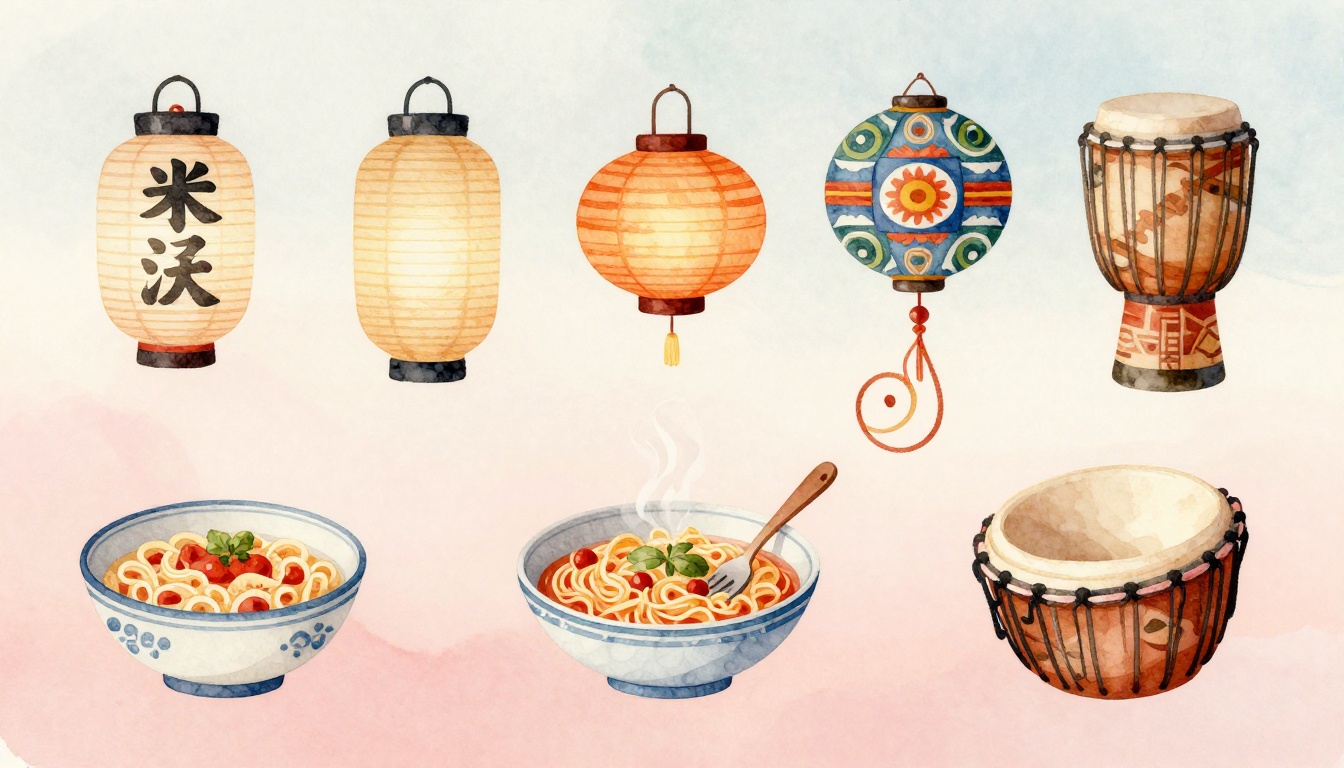
You meet someone from Japan. You think they’re always polite and quiet. Or picture an Italian who lives for pasta and gestures wildly. These ideas feel true because movies and news push them. But cultural stereotypes mislead us. They paint whole groups with one brush based on thin evidence.
Recent studies from 2020 to 2026 back this up. People in one country differ by region, age, and choices. Stereotypes ignore that variety. They mix social habits with real traits. This leads to stress and lost chances.
In this post, we’ll look at why they fail. Examples from Asia, Europe, Africa, and Latin America show the gaps. We’ll cover harms like stereotype threat. Plus, why they stick around. Ready to spot the tricks?
How Stereotypes Ignore the Huge Variety Inside Cultures
Cultures hold tons of differences. Stereotypes treat everyone the same. They skip personal stories and local shifts. For instance, one label says all Asians excel at math. Yet India’s startup scene bursts with bold leaders. China’s cities buzz with young folks who chase dreams alone.
A 2024 study tested ChatGPT in games like the Ultimatum Game. It assumed Asians act collectivist. Real people vary more, especially in cities. Cornell researchers found simple prompts cut AI biases. This mirrors human errors too.
Countries split into urban hubs and rural spots. Ages change views. Personal picks matter most. Berlin shows Europe’s mix. Not all fit “individualist” boxes.
Data proves it. A 2026 preprint analyzed stereotypes through psych and AI lenses. It showed labels oversimplify social views. People judge groups wrong because of these shortcuts.
In short, stereotypes flatten rich lives. They miss the full picture.
Asia’s Diverse Realities Beyond the ‘Model Minority’ Label
Think Asians are shy workers? Wrong. An Indian founder in Bangalore pitches ideas with fire. She builds apps that rival Silicon Valley. Meanwhile, Shanghai teens post bold videos online. They ditch old rules for fun.
Urban growth speeds this. Young Chinese trust friends over family ties now. A 2024 AI test in trust games expected collectivism. Real surveys show shifts.

These stories challenge the “model minority” tag. Variety rules Asia.
Europe’s Mix of Traits That Defy Simple Labels
Europeans seem rational and loose? Not always. Berlin streets host protests with raw feeling. Yet neighbors chat calmly in parks. Ages mix views too.
A 2024 AI study on punishment tasks showed biases. Models pushed “fair” Europe. Real riots reveal passion. Cities like Berlin blend calm and fire.
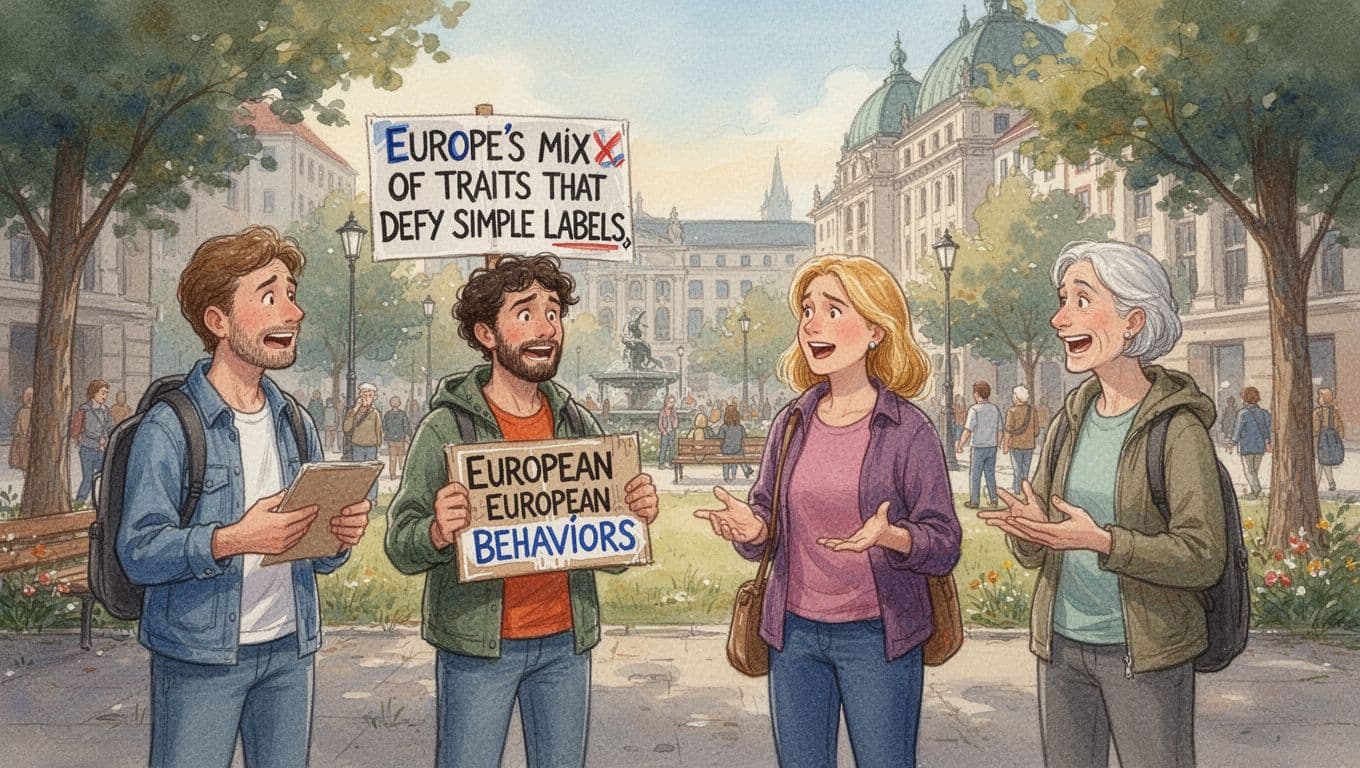
Diversity defies easy tags. People adapt fast.
Why Stereotypes Mix Up Society’s Rules with True Nature
Stereotypes blame traits for roles. Women seem caring because society nudges them to nurse jobs. A 2025 PNAS study linked gender views to job spots across nations. Cultures work the same.
Latin Americans get called risky. Yet Brazil’s economy grows steady. Pros in Sao Paulo plan smart. Africa’s Lagos hums with sharp business minds. Not “tribal” chaos.
It’s like blaming the player, not the rules. Social pushes shape acts. A 2024 AI look at Iowa Gambling tasks assumed high risk in Latin spots. Real data shows control.
Global effects hit consumers. Ads push women from tech. Men skip care fields. This loops back.
Studies confirm. Macro-inequality ties to national labels in 45 countries. Yet growth flips scripts.
Rules, not nature, drive much.
Gender and Job Stereotypes in Action
Roles trick us. Women fill care spots, so they seem “nurturing.” Men lead, so “strong.” The PNAS work tracked this over years.
In cultures, it repeats. Japan pushes women home. Yet more join workforces. Traits follow chances.
Break the loop. Real skills shine.
Risk and Trust Myths in Latin America and Africa
Latin groups face “impulse” tags. Brazil pros prove steady. Nairobi innovators build tech empires.
2024 relational mobility data shows trust builds in cities. AI tests mismatched this.

Stability counters old myths.
The Harm of Stereotype Threat and Lasting Damage
Stereotypes hurt deep. Stereotype threat kicks in. People fear proving labels true. It tanks performance.
Migrant kids in Europe hear “dumb outsider.” Scores drop. A 2025 study on first-gen students showed this. Stress builds self-doubt.
AI worsens it. 2026 research found chatbots push gender jobs. Women get “look nice” tips six times more. This steers youth wrong.
Media repeats loops. Even prompts don’t fix AI roots.
Fight back. Question tags. Hear real tales.
How Pressure Hurts Performance and Confidence
Threat hits hard. A girl in math class worries “girls can’t.” Scores slip. Migrant teens face “slow learner” fears. Tests suffer.
Europe studies from 2020s confirm. Identity strength helps, but climate matters.
Personal toll grows. Doubt lingers. Choices shrink.
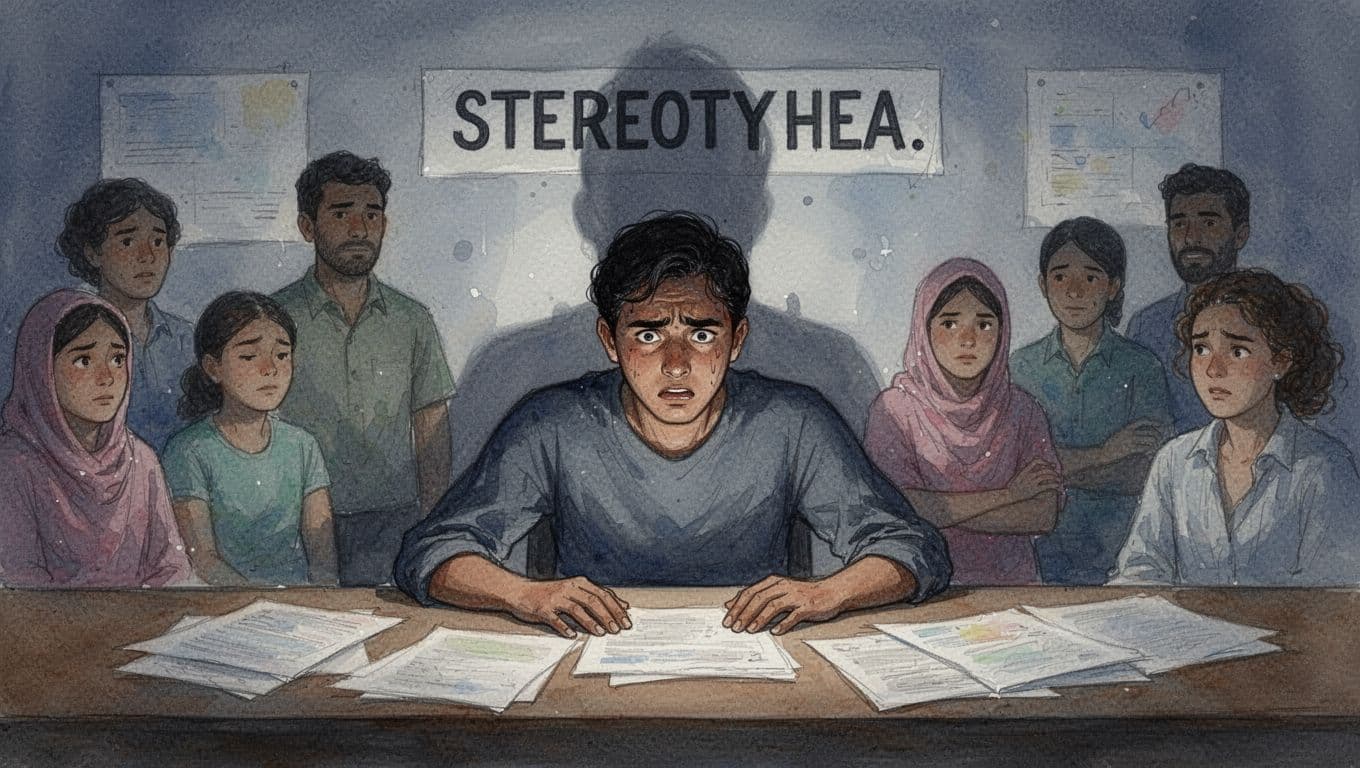
Pressure steals potential.
Society’s Bigger Losses from These False Beliefs
Divides widen. Jobs miss talent. African coders overlooked. AI hiring skips diverse hires.
Inequality sticks. 2025-2026 data shows AI amps biases. Black voices tied to “lazy.”
Wasted skills hurt all. Innovation slows.
Challenge Stereotypes, See the Truth
Cultural stereotypes mislead by flattening variety. Science from AI tests to global polls proves it. Asia’s leaders, Europe’s passions, Brazil’s planners show real faces.
We lose when we buy the labels. Threat stresses people. Society pays with gaps.
Hope exists. Listen to stories. Question quick judgments. A 2026 study urges diverse AI checks.
Share below: What stereotype did you break? Comment your tale. Subscribe for tips to spot biases. Real people beat simple tags every time.