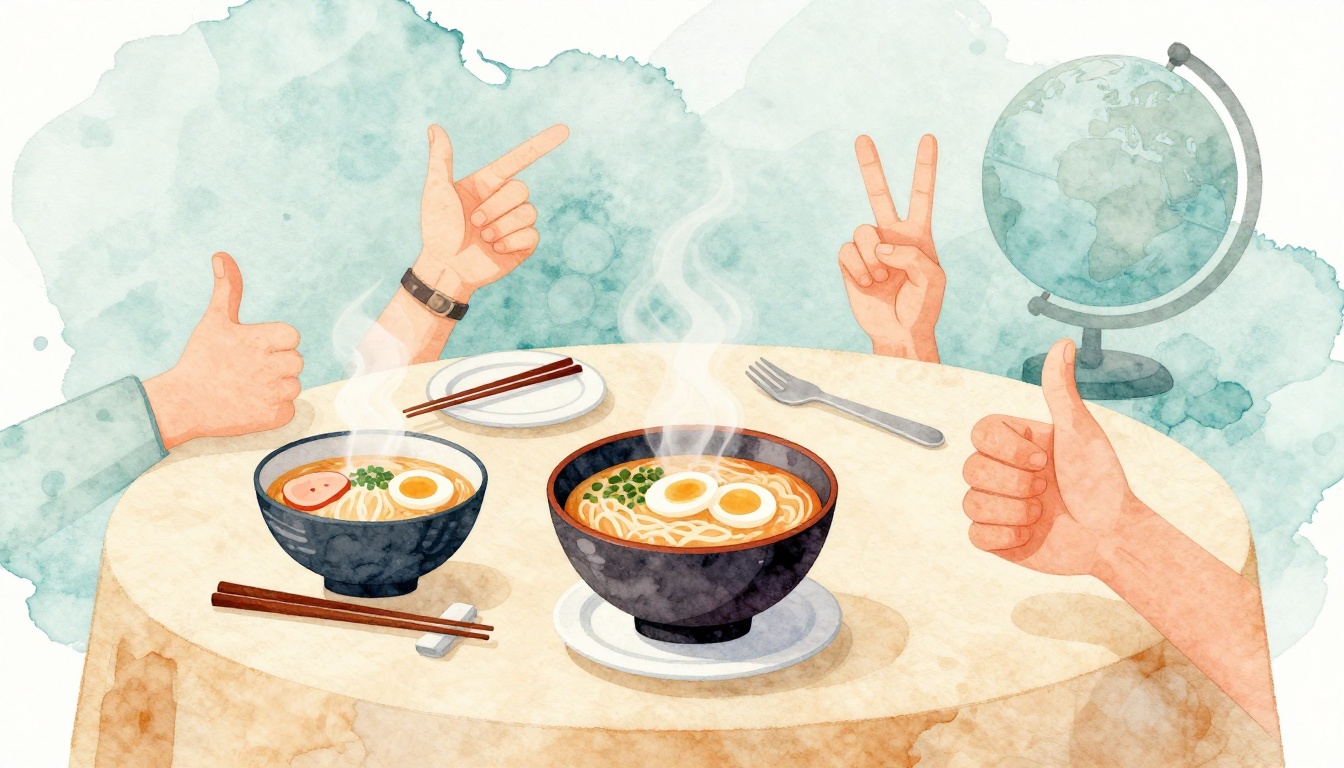
Imagine this. You’re on a dream trip to Japan. Excited, you slurp your ramen noodles loudly to show appreciation. The chef smiles back. But back home in the US, that same slurp would draw stares.
What feels polite in one place often shocks people elsewhere. Cultural differences turn everyday habits into blunders. A thumbs-up means “great” here, but it insults in parts of the Middle East.
We’ll explore dining slips, gestures, talk styles, and social norms. These insights help you avoid awkward moments with international friends or on trips. You’ll travel smarter and kinder.
Dining Etiquette That Flips from Polite to Rude
Meals bring people together. Yet food rules vary wildly. A polite move at your table might offend abroad. Let’s break down key examples.
In the US, you eat with whatever works. Forks, spoons, or even hands for burgers. But abroad, tools matter more. For instance, travelers in Asia stick chopsticks upright in rice bowls by mistake. Locals see funeral rites, not hunger.
Recent trips show mix-ups too. In 2025, tourists got turned away from Thai temples for casual dress at meals near sites. Always check ahead. For more global food rules, see Intrepid Travel’s do’s and don’ts.
Slurping Noodles Like a Pro in Japan
Japan loves ramen. Slurping counts as praise. The loud noise cools hot broth and signals joy. It compliments the chef’s skill. Diners slurp with gusto at busy counters.
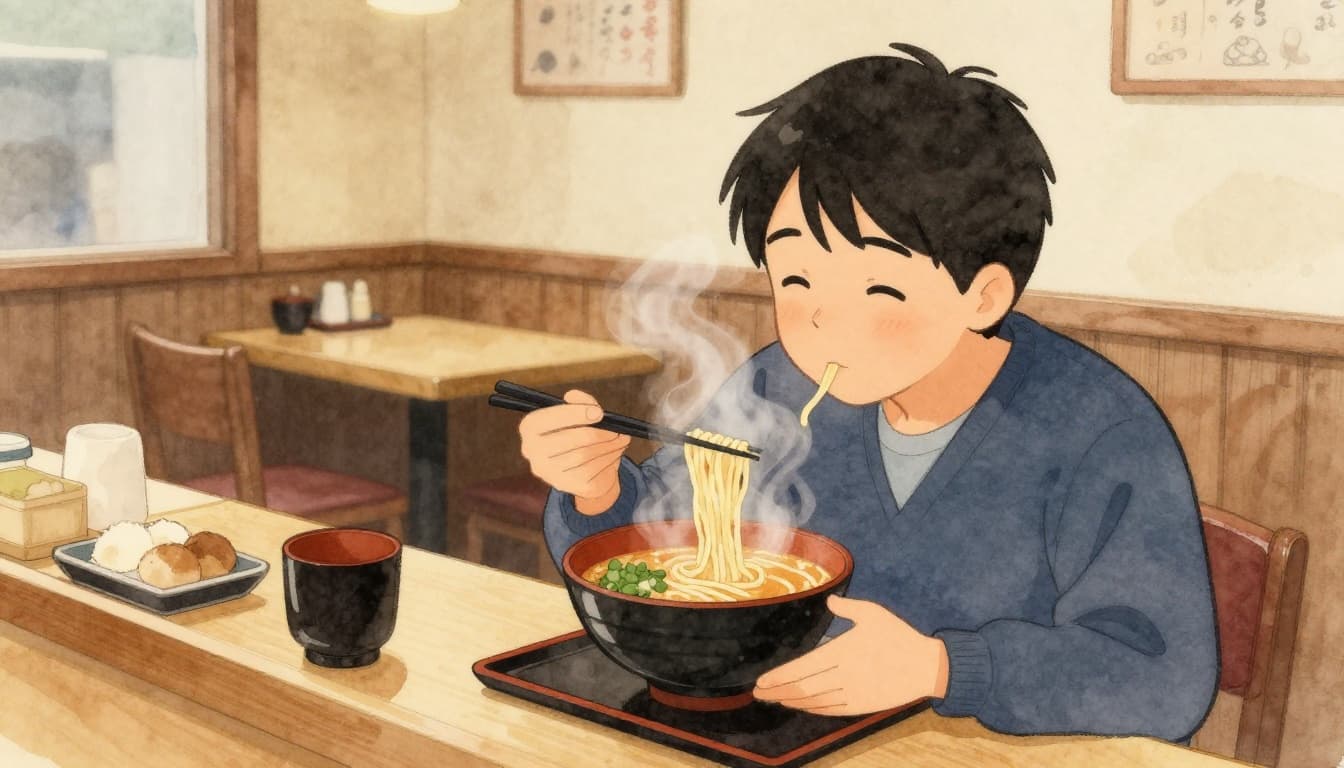
One traveler slurped quietly in Tokyo, thinking manners mattered. The server looked puzzled. “No good?” he asked. She learned fast. Slurping shows you savor the food.
In the US, though, slurping seems gross. It breaks “quiet dining” norms. People cringe at soup smacks. So adapt. Watch locals. Slurp in Japan. Sip softly stateside.
Politely Passing on Extra Food
You’re full at a US dinner. You say no thanks. Hosts nod and clear plates. Simple.
Arab countries flip this. Refusing food insults the host. They pile plates to show generosity. Saying no feels like rejection. One guest pushed away kebabs. The family worried he disliked their home.
Accept a bit. Eat slow. Praise the dish. “This is delicious,” you say. They beam. Hospitality runs deep there. In contrast, US hosts respect boundaries.
Tipping as a Thank You Gone Wrong
US diners tip 15-20%. It rewards good service. Servers rely on it.
Japan and South Korea differ. Tipping offends. Staff see it as pity. Service forms pride in their job. A 2026 traveler left coins in Seoul. The waiter chased him down to return them.
Check norms first. Many spots add fees. Over-tip, and you embarrass. Under-tip, and you seem cheap. Ask locals or guides.
Left Hand Habits to Ditch Abroad
Left hands work fine in the US. You pass bread or shake with either.
Middle East, India, Sri Lanka ban it for food. Locals reserve the left for hygiene tasks. Right hands stay clean. Using left signals disrespect.
A tourist handed change left-handed in Mumbai. The shopkeeper recoiled. Roots tie to sanitation customs. Switch hands. It’s easy respect.
Gestures That Mean Totally Different Things Around the World
Body language speaks volumes. A friendly wave here bombs elsewhere. Watch cues to blend in.
Gestures pack hidden meanings. What boosts you up shocks others. Observe locals. Mimic gently.
For common mix-ups, check Air Apps’ list of gestures worldwide.
The Thumbs-Up That Packs a Punch
Thumbs-up shouts approval in the US. “Job well done,” you signal.
Middle East, Latin America, West Africa see obscenity. It mimics a rude gesture. Travelers flash it in Iran. Locals frown or argue.

In 2025 Turkey trips, thumbs-up sparked fights. Like middle finger there. Use words instead. Nod or say “good.”
Eye Contact Confidence Clash
Direct gaze builds trust in the US and Canada. It shows honesty.
Asia, like Korea, prefers soft looks. Steady eyes seem aggressive. Nigeria views it as challenge.
Business meetings stall from stares. Lower eyes a bit. Smile. Balance respect.
Personal Space Sweet Spot Differences
Brazilians stand close. Inches apart feels warm.
Australia and US need arms-length. Too near invades bubbles. You back up; they lean in.
Chats get awkward. Mirror their distance. Step back slow if needed.
Pocket Hands and Arrogance Vibes
One hand in pocket looks casual in the US. Relaxed vibe.
Some Asian spots read arrogance. Like you hide or slouch. Elders especially dislike it.
Pull hands out. Fold arms instead. Small tweak, big win.
Communication Tricks That Trip You Up Globally
Words carry culture. Direct talk pleases some, hurts others. Tune your style.
Small differences spark friction. Listen first. Adapt phrases.
Science of People covers cultural communication signals.
Blunt Honesty Versus Soft Words
Germans value straight talk. “This tastes off,” they say. Clear respect.
Thailand and Korea save face. Blunt words shame. Wrap feedback soft. “Maybe more salt next time.”
Deals sour from directness. Phrase kind.
Diving Right into Business Talk
Germany skips chit-chat. Jump to points. Efficient.
US expects weather talk first. Straight in feels cold. “How’s your day?” warms it up.
Build rapport slow.
Family Questions That Feel Nosy
China asks about kids or marriage. Builds bonds quick.
US guards privacy. It pries. Stick to work or hobbies.
Share light if asked.
Open Laughs and Modest Smiles
Westerners laugh loud, mouth wide. Joy bursts out.
Japan covers mouth. Shows grace. Open laughs seem crude.
Smile big. Cover lightly.
Social Customs Like Gifts and Affection That Surprise
Gifts and hugs seal bonds. Timing and place matter.
Customs surprise most. Respect shines in details.
Fudge My Life details gift etiquette.
Unwrapping Presents on the Spot
US folks rip paper right away. Shows thrill.
India and China wait. Opening later honors the giver. Immediate unwrap seems greedy.
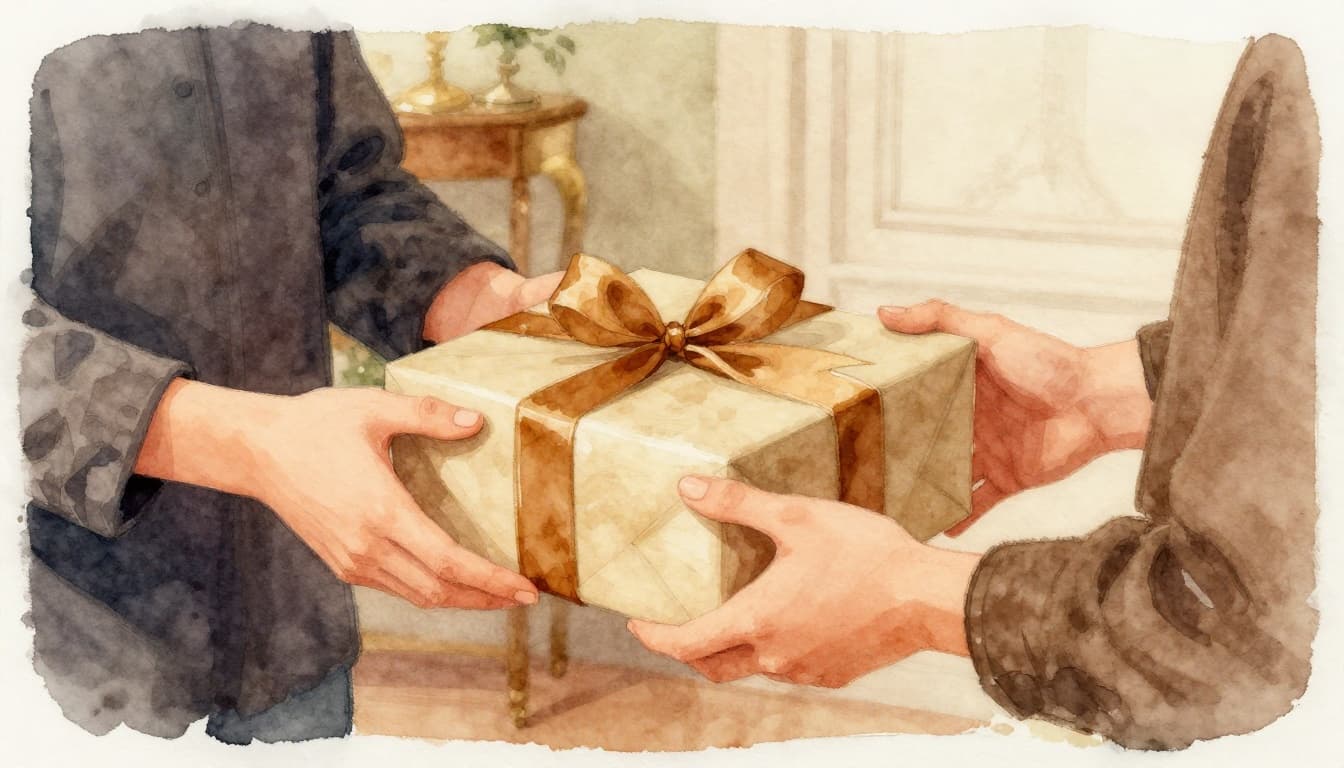
Hold and thank. Open private.
Kisses and Hugs in Public View
US couples hold hands openly. Love on display.
Middle East, China, Thailand keep it private. PDA shocks as indecent.
Tone down touches. Respect varies.
Cultural slips happen fast. Slurps, thumbs, stares, or hugs turn heads. Key surprises hide in meals and moves.
Stay polite with these tips. Research one spot’s rules before trips. Watch locals act first. Ask “Is this okay?” with a smile. Use common sense always.
Share your culture shock in comments. What’s your story? Travel confident. Connect kindly everywhere.