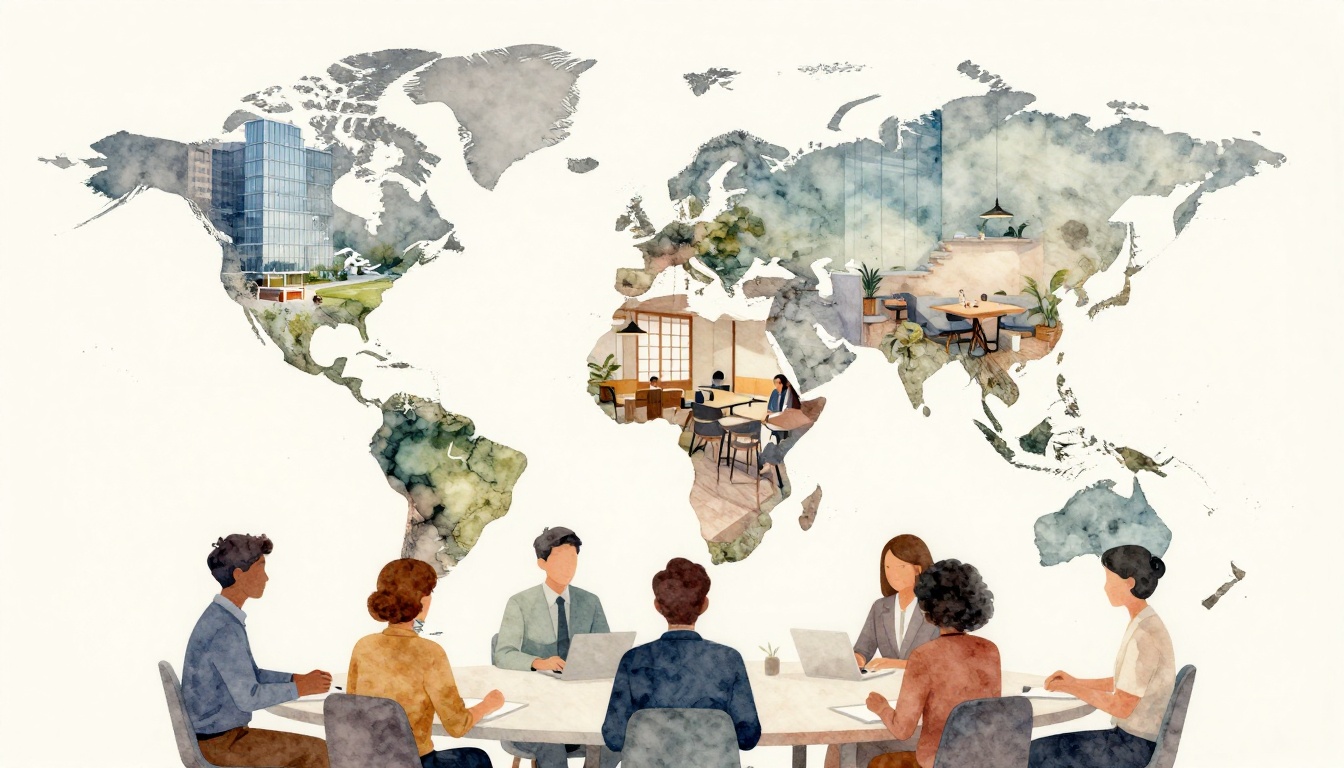
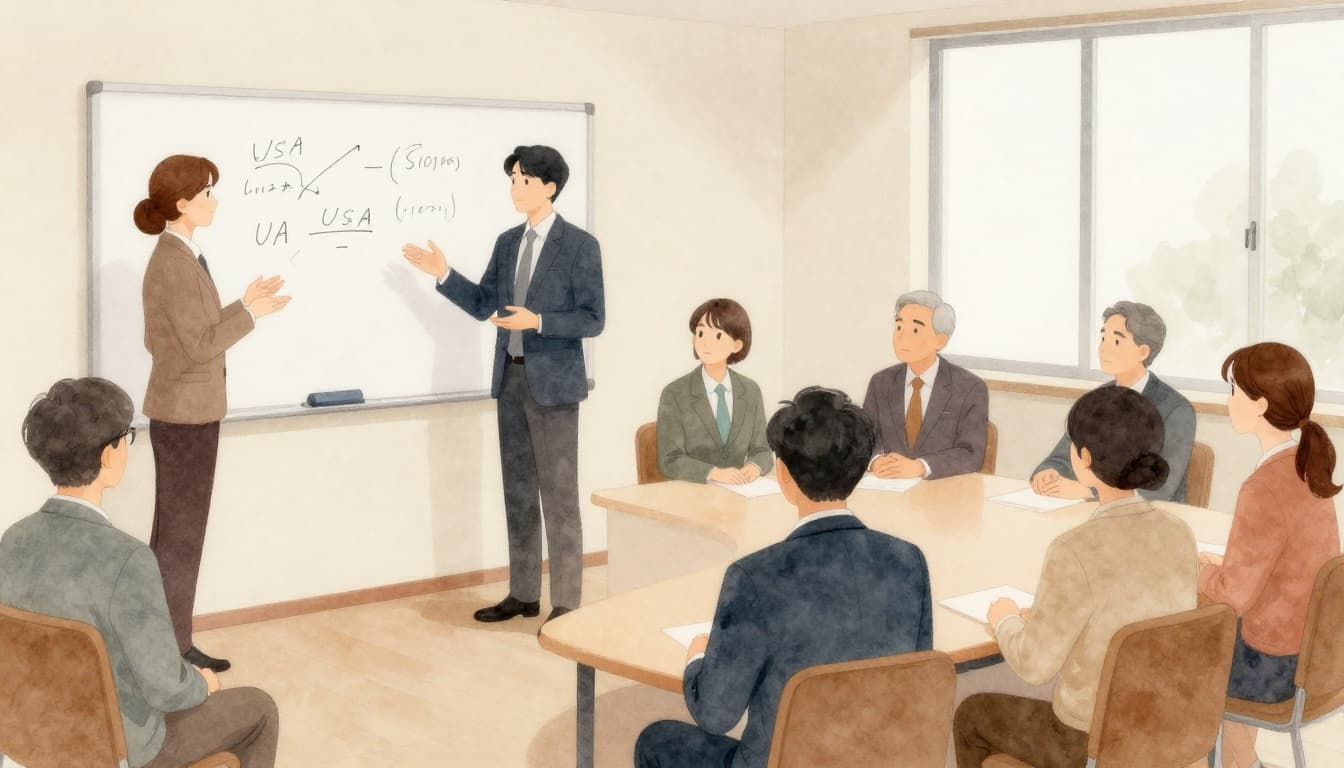
Imagine an American manager joins a project with a Japanese team. She gives blunt feedback in a meeting. The team goes silent. No one speaks up. She wonders what’s wrong. In truth, they value harmony and respect for seniors. Clashes like this happen daily in global teams.
You face these issues if you lead remote workers, move abroad, or hire internationally. Misunderstandings hurt productivity and morale. Companies lose billions from low engagement, as SHRM notes in 2026 reports. Better yet, grasp these differences. You build stronger teams and boost results.
This post covers key contrasts. We look at hierarchy, work-life balance, communication, innovation attitudes, and fresh 2026 trends. You’ll see real examples from the US, Europe, Asia, and beyond. In the end, you’ll know how to adapt and thrive.
How Hierarchy and Authority Differ Across Countries
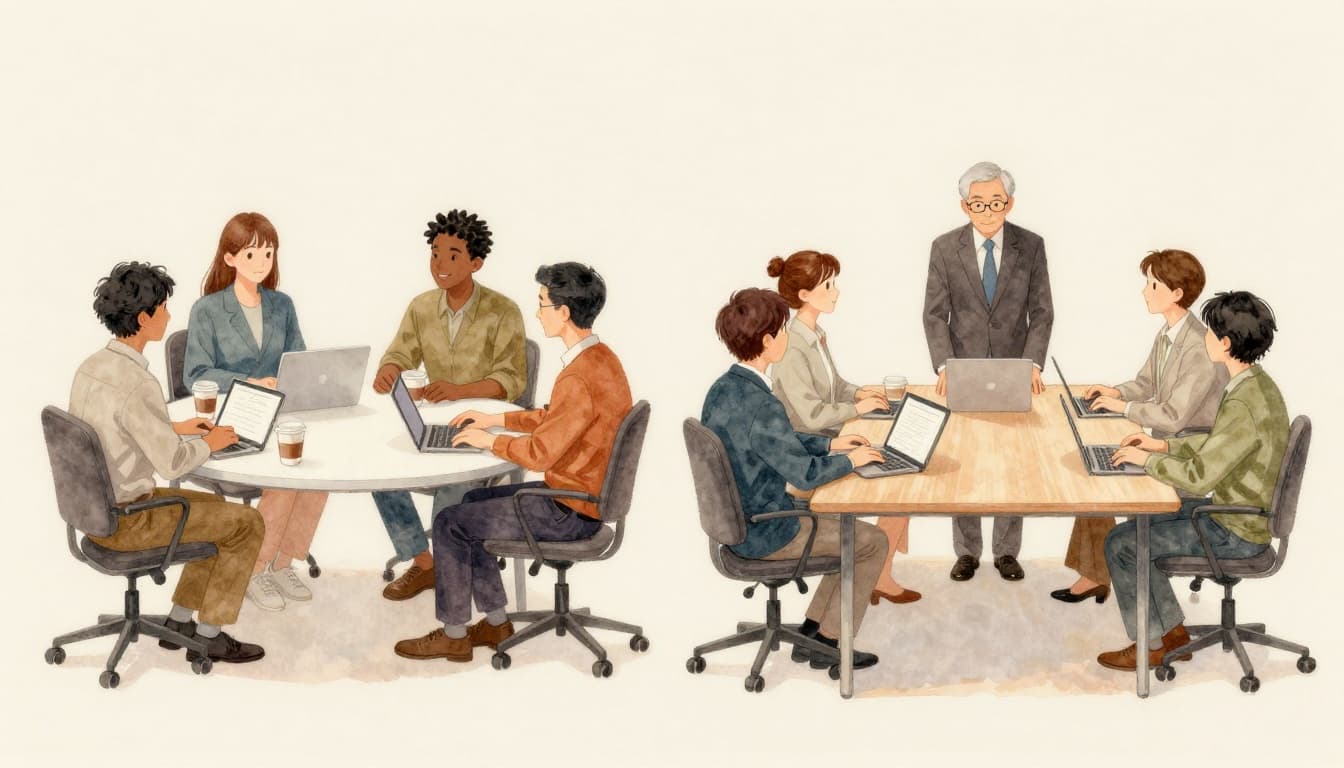
Hierarchy shapes daily work. Some countries keep bosses on pedestals. Others treat everyone as equals. Power distance index scores explain this. Low scores mean flat structures. High scores signal top-down control.
For instance, the US scores 40. Workers challenge ideas freely. Sweden sits at 31. Everyone gets a voice. Germany scores 35. Rules guide decisions, not just rank. These places promote quick input and team calls.
Japan scores 54. China hits 80. India reaches 77. South Korea nears 60. France and Brazil top 68-69. Here, seniors lead. Subordinates listen first.
Check Hofstede’s cultural dimensions tool for comparisons. It shows how scores affect teams.
Flat Structures in the USA and Sweden
US teams stay flexible. Juniors pitch ideas in meetings. Bosses value results over titles. This speeds decisions. Workers report higher satisfaction because they feel heard.
Sweden takes equality further. All voices count, even from new hires. Leaders join casual lunches. No one fears speaking. Studies link this to top happiness ranks. Sweden places fourth in the 2026 World Happiness Report.
Efficiency rises too. Flat setups cut red tape. Yet, they demand self-starters. Not everyone fits.
In contrast, high-hierarchy spots slow promotions. Loyalty builds over years. You wait for your turn.
Top-Down Decisions in Japan, China, and India
Japan stresses group loyalty. Overwork shows dedication. Bosses decide alone. Teams follow without pushback.
China centralizes power. State firms echo this. Quick execution follows orders. India favors elders. Family-like bonds form. Decisions flow from top.
Impacts hit hard. Feedback stays private to save face. Meetings end fast. Yet, stability appeals. Long tenure brings respect.
Daily work changes. In flat cultures, you speak up for growth. In tall ones, patience pays. Global firms blend both. They train on norms.
Work-Life Balance and Hours: Who Gets More Free Time?
Hours vary wildly. Europe clocks short weeks. Asia pushes long shifts. Data from 2026 shows the split.
Germany averages 26 hours weekly. France hits 31.2. Sweden reports 18.9, though part-time skews it. US workers log 34.3. China reaches 48.5. India 41.7. South Korea about 38.
Nordics lead happiness partly from this. Finland tops the 2026 report at 7.74. Balance aids health and output.

See average workweek rankings for full lists. They highlight laws at play.
Europe’s Short Weeks and Generous Leave
Germany caps effective hours low. Workers cycle home early. France mandates 35 hours. Sweden offers family leave. Vacations stack up too. These boost loyalty.
Productivity holds. Fewer hours mean focused effort. Burnout drops. SHRM ties this to engagement.
Long Hours in Asia and Emerging Markets
China’s 48.5 hours strain health. India’s unregulated shifts hit 41.7. South Korea fights stress culture. Japan eases overwork rules.
Brazil varies by firm. Emerging spots lack strong laws. Yet, hybrid work helps. Flexibility cuts totals.
Trends favor balance. Health costs rise otherwise. Companies adapt or lose talent.
Communication Styles: Direct Talk or Group Harmony?
Words land differently abroad. Some cultures prize blunt facts. Others guard feelings.
US and Germany favor direct talk. Say what you mean. No fluff. Ideas flow fast.
Japan and South Korea go indirect. Hints preserve harmony. Seniors speak first.
France adds formality. Debates sharpen points. Sweden seeks consensus. Brazil warms with relations.
Meetings reflect this. Direct spots debate openly. Indirect ones nod agreement.
Learn more in cross-cultural communication guides. They bridge gaps.
Feedback trips teams. A US “that’s wrong” offends Asians. Rephrase to “consider this angle.”
Adapt with questions. Listen more. Build trust first. Clashes fade.
Innovation and Risk: Bold Experiments or Safe Plays?
Cultures shape bold moves. US embraces risk. Fail fast, iterate. This fuels startups.
Japan and Germany prefer steady paths. Test thoroughly. Low risk means reliable products.
Sweden collaborates openly. China scales fast with state aid. South Korea calculates tech bets. India adapts on ground. Brazil mixes grit.
2026 Global Innovation Index ranks Switzerland first, Sweden second, US third. These blend styles.

View Global Innovation Index rankings for scores.
Success ties to fit. US risks spark breakthroughs. Asian caution builds empires.
2026 Trends Reshaping Global Work Cultures
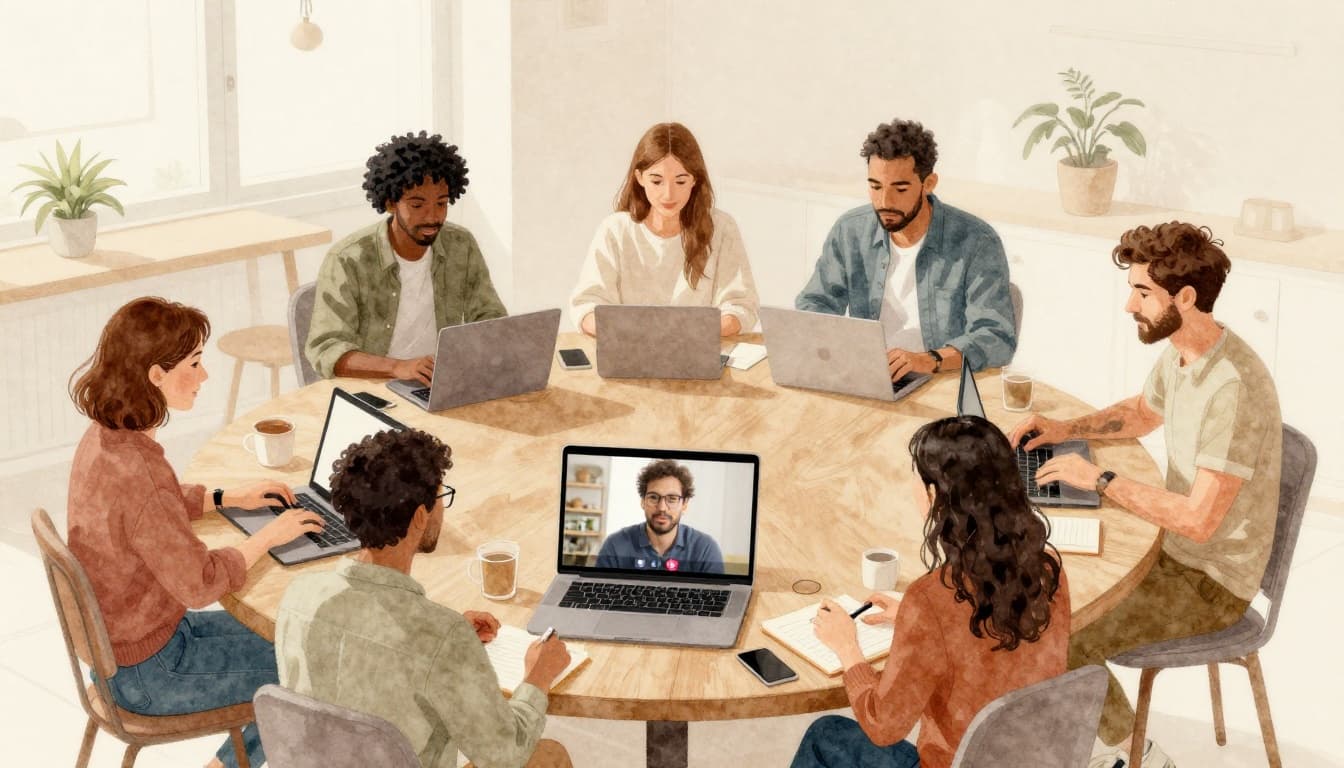
Hybrid work dominates. Europe mixes office-home seamlessly. Asia fights shortages with global hires. US pulls talent worldwide.
SHRM spots eight culture types. Growth Collaborator leads at 37%. Low engagement risks $9.6 trillion loss.
AI partners humans. Teams bond across zones. 24/7 offices aid this.
Strategy trumps location now. Firms train on cultures. Upskilling keeps pace.
These shifts favor adapters. Location fades. Skills and fit win.
Hierarchy, balance, talk, risks, and trends set countries apart. Flat US teams clash with China’s order. Europe’s short days beat Asia’s grind. Direct words puzzle indirect harmony. Bold US bets differ from steady Japan.
Key takeaway: adapt to locals. Learn norms via tools like Hofstede scores. Build ties early. Use training apps. Test hybrid rules.
Share your story below. Which culture surprised you? Subscribe for more tips. Thrive globally now.