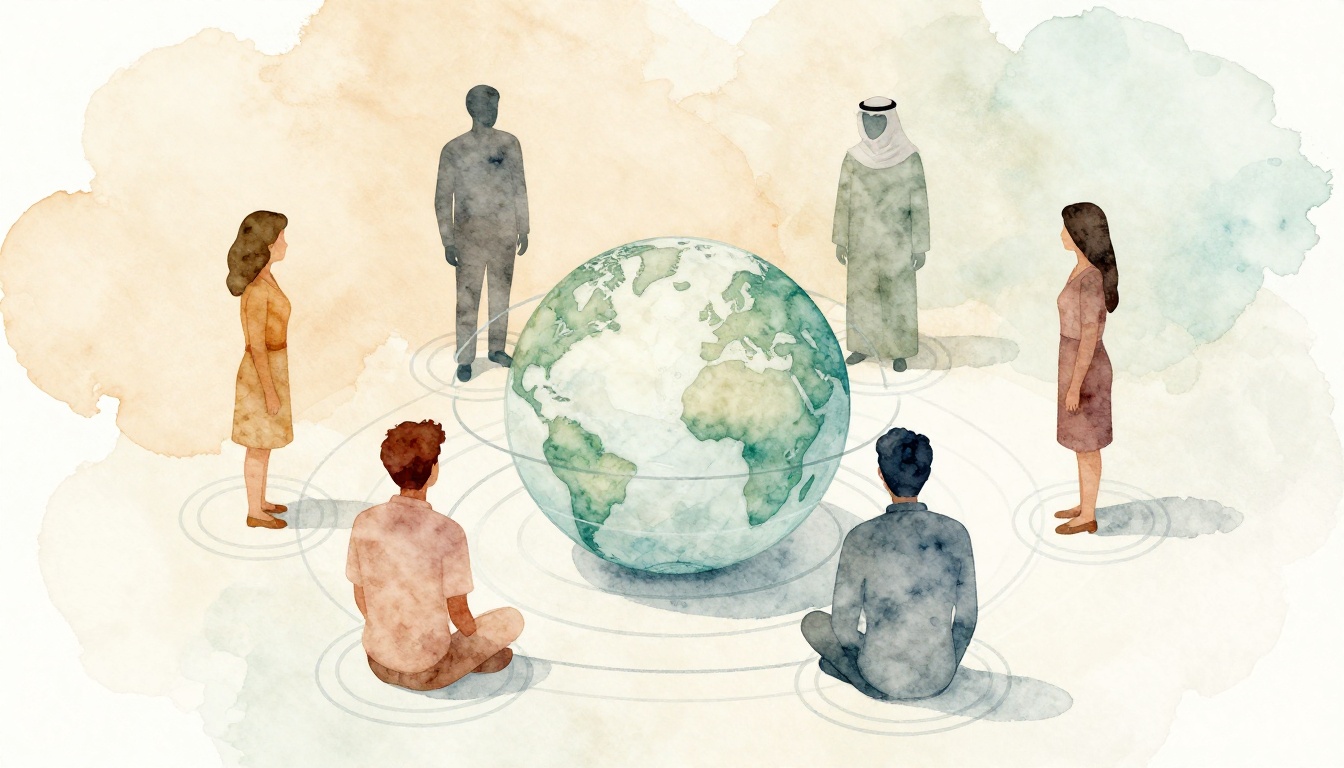
You step off a plane in a new country. Someone stands inches away during a chat. You lean back. They lean in closer. That awkward shuffle happens because personal space differs worldwide.
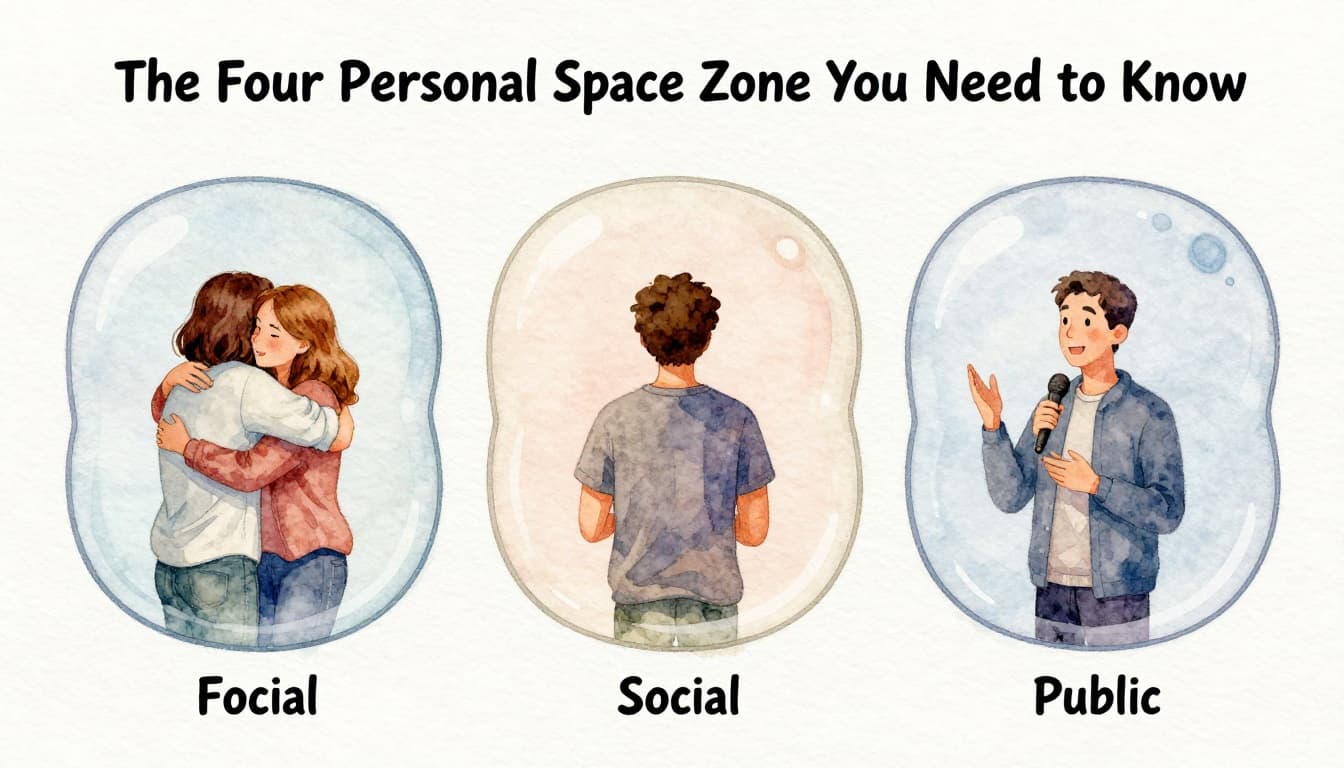
Anthropologist Edward T. Hall coined “proxemics” to describe these invisible bubbles we keep around us. He split space into four zones: intimate (0-18 inches for loved ones), personal (18 inches to 4 feet for friends), social (4-12 feet for casual talks), and public (over 12 feet for speeches). Recent studies show strangers prefer distances from 76 cm in Argentina to 140 cm in Romania.
These personal space variations globally surprise travelers and business folks alike. Latin Americans often stand closest, while Northern Europeans claim more room. This article breaks down the zones, regional differences, key drivers, and post-pandemic changes. You’ll get tips to navigate them smoothly.
The Four Personal Space Zones You Need to Know
Edward T. Hall outlined four key zones based on relationships. People adjust them daily without thinking.
The intimate zone sits closest, from skin to 18 inches. Lovers, kids, or close family use it for hugs and whispers. Step in uninvited, and tension rises fast.
Next comes the personal zone, 18 inches to 4 feet. Friends chat here during coffee catch-ups. You might touch a shoulder, but strangers rarely enter.
The social zone spans 4 to 12 feet. Coworkers discuss projects at this distance. It feels right for small groups or office talks.
Public zone starts beyond 12 feet. Speakers address crowds here. Everyone hears without invading bubbles.
These zones flex by culture. High-contact groups shrink them overall. Low-contact ones expand for comfort. For example, a 2017 study across 42 countries found strangers average 99 cm in the UK but 139 cm in Romania.
Family zones stay small everywhere, often under 70 cm in East Asia. Strangers trigger the “backing up dance” when zones clash. Knowing them helps you match local norms. Check EBSCO’s overview of Hall’s proxemics for deeper examples.
Picture your bubble like a force field. It protects yet connects. Ignore it abroad, and simple talks turn awkward.
Close Up or Keep Distance? Personal Space by Region
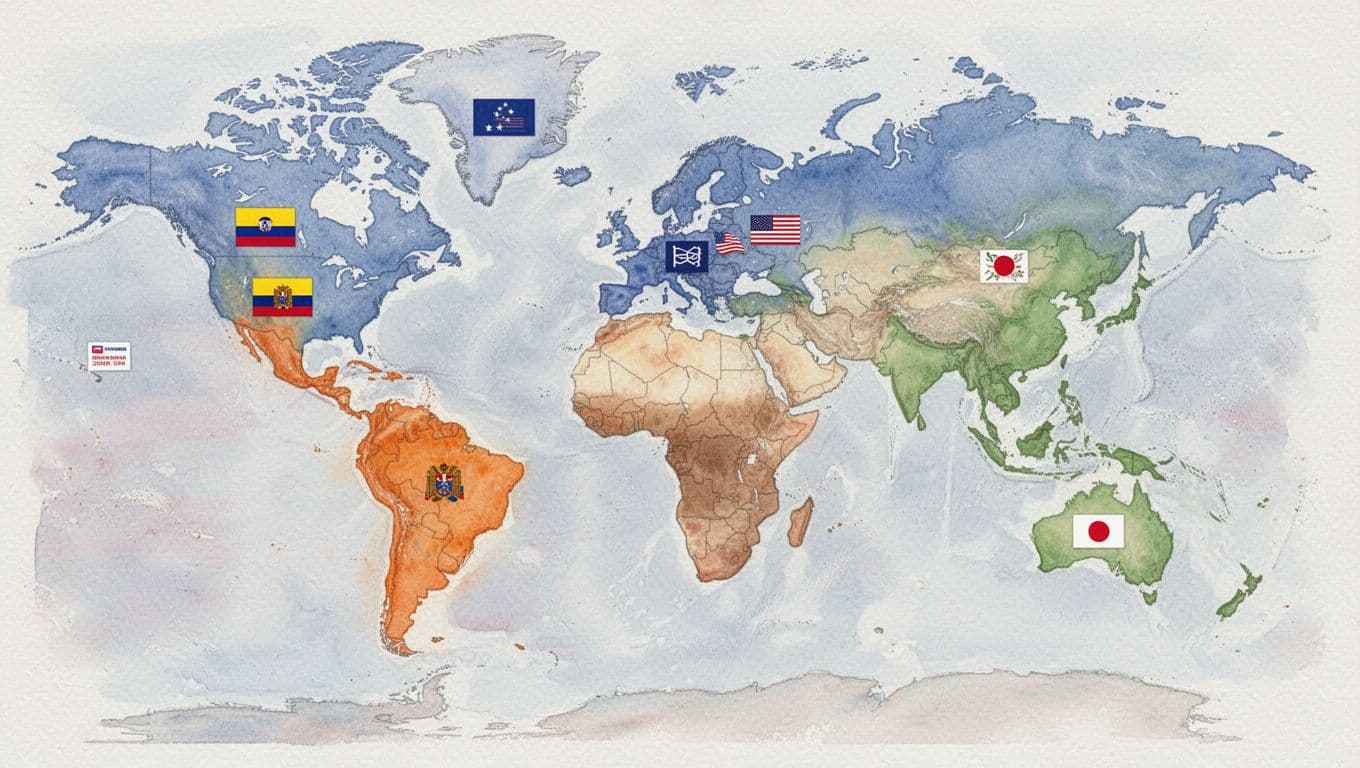
Stranger distances reveal clear patterns. A 2017 study measured preferred gaps in 42 countries. Warmer spots favored closeness. Colder ones demanded more room.
Post-2020 data from Preply shows shifts. Global stranger space grew by 100 cm on average. Brazil saw the biggest jump at 92 cm. China bucked the trend with a 36 cm shrink due to crowds.
Latin America leads in tight zones. Argentina clocks in at 76 cm pre-pandemic. Colombia follows close behind.
High-Contact Cultures: Latin America, Middle East, Southern Europe
Folks here blend personal and social zones often. Colombians chat at 117 cm. It feels warm, not pushy.
Saudis prefer 126 cm with strangers. Turkey hits 123 cm. Backing away signals rudeness. Same-sex talks stay extra close.
Southern Europeans mix it up. Romania tops at 140 cm, yet conversations tighten in heat. Hungary sits at 130 cm. Expressiveness drives this. Hot climates encourage overlap.
Travelers adapt by leaning in. Don’t retreat. A Brazilian once told me stepping back felt cold during a market bargain.
Space Guardians: Northern Europe, North America, and Beyond
Northern spots claim big bubbles. Germany averages 115 cm. Estonia matches at 118 cm. Nordics stand farthest overall.
North Americans hover around 100 cm in the US and UK. El Paso jumped 137 cm post-COVID. Boston added 78 cm least.
Individualism fuels this. People value autonomy. Respect the gap to build trust. Invade it, and chats stall.
One expat in Sweden shared how arm’s-length talks sealed a deal. Too close? They froze up.
Asia and Africa’s Balanced Approach
East Asia averages 109-116 cm. Hong Kong hits 116 cm. Japan 113 cm. Family pulls zones to 66 cm.
India stands at 112 cm. Collectivism softens edges. Urban crowds force adjustments.
Africa varies. Uganda prefers 121 cm. Density in cities shrinks it. Rural areas expand.
People adapt daily. Tokyo trains pack tight, yet bows keep respect.
See the full Preply study on post-COVID expansions for country breakdowns.
What Drives These Global Differences? Key Factors Revealed
Why do Colombians cozy up while Romanians spread out? Several forces shape bubbles.
Culture tops the list. Collectivist groups bond through proximity. Individualists guard autonomy.
Climate plays a role too. Hot areas foster closeness. Crowds in dense cities force shrinks.
Religion and gender add layers. Middle Eastern norms tighten same-sex spaces.
Culture Clash: Individualism vs Collectivism
Collectivists like Latinos prioritize group ties. They close gaps to signal warmth. Data shows Argentina’s 76 cm fits this.
Individualists, such as Nordics, stress personal freedom. Romania’s 140 cm reflects that independence.
Studies link this to values. Proximity builds trust in teams. Space honors self in solos.
Climate, Crowds, Religion, and More
Warmth correlates with tighter zones. Argentina basks in sun and stands near.
Dense Hong Kong adapts to 116 cm. Rural spots afford more.
Religion guides Middle East closeness among peers. Gender rules vary distances.
Population sways it all. Cities compress. Countryside breathes.
These factors overlap. A hot, crowded collectivist hub like Sao Paulo shrinks bubbles most.
Post-Pandemic Shifts and Modern Twists in Boundaries
COVID reshaped norms. Preply’s 2024 data confirms stranger spaces ballooned worldwide.
Global average rose 100 cm. Family zones grew less, by 52 cm. Brazil led surges at 92 cm added.
China shrank 36 cm. High density there normalized tight packs.
US cities diverged. El Paso expanded 137 cm. Boston held at 78 cm.
Digital tools eased in-person pressure. Zoom chats respect invisible lines.
Urban bubbles stay small. Rural ones grow. Travelers now notice hybrid habits.
Adapt by watching locals. Mirror their stance. Awareness prevents faux pas in 2026 travel.
Key Takeaways on Global Personal Space
Personal space zones from Hall guide us: intimate for kin, public for masses. Regions differ sharply. Colombia hugs close at under 120 cm. Romania claims 140 cm.
Culture, climate, and crowds drive splits. Post-pandemic growth hit 100 cm average, yet China tightened.
Respect these cultural personal space differences on trips or deals. It builds instant rapport.
Share your closest encounter in comments. How did you handle it? Plan mindfully next time. Bridges form when bubbles align.