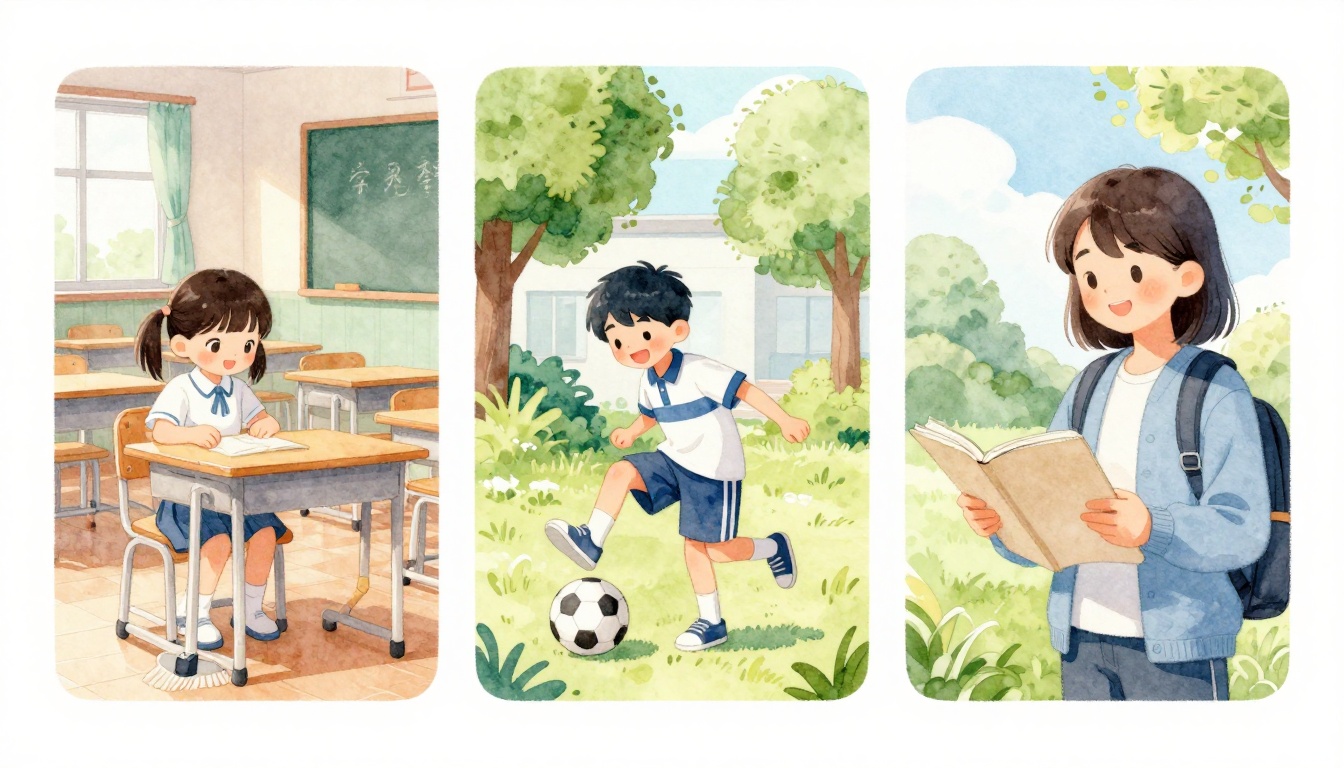
Picture a child in Japan. She sweeps the classroom floor after lessons. Her friends join in without complaint. Now imagine a kid in Finland. He kicks a ball outside during a long recess. No homework weighs him down yet.
These scenes show more than daily routines. They reveal what each society treasures most. Education systems reflect cultural values like discipline, equality, or creativity. Schools teach kids not just facts. They shape how people think and live.
You’ll see this in classrooms worldwide. Countries prioritize different skills because of their history and goals. The United States pushes individual dreams. Japan builds team harmony. Finland stresses joy and fairness. China honors hard work. India chases knowledge amid diversity.
Recent trends add fresh twists. By March 2026, AI tools pop up in China for tutoring. India ramps up digital skills through reforms. Japan boosts English and tech. These changes highlight ongoing shifts in values. Let’s explore how culture molds core school elements first.
Core Ways Culture Shapes What Happens in Classrooms
Culture influences schools in clear ways. It decides what kids study, how teachers guide them, and what success looks like. These choices stem from shared beliefs. They prepare youth for society’s demands.
Curriculum: What Kids Learn Reflects National Priorities
Nations pick subjects that match their strengths. Some stress math and science for a strong economy. Others add arts to spark new ideas.
For example, places that value innovation include coding early. They see tech as key to jobs ahead. By 2026, STEM grows everywhere. AI joins lists because it drives future work.
This focus helps kids. They gain skills that fit real needs. Societies thrive when schools align with goals like growth or culture preservation.
Teaching Styles: From Strict Rules to Free Play
Teachers earn respect in some lands. Students listen closely and follow rules. Group tasks build unity.
In contrast, other spots allow exploration. Kids lead projects. Play fills short days. This grows confidence or discipline, depending on the aim.
Both work because they match values. Strict styles create focus. Free ones boost happiness and ideas.
Tests and Grades: Competition or Equality?
High-stakes exams test grit in competitive spots. Everyone pushes hard for top scores. Global tests like PISA show results. Some lead in math. Others shine in well-being.
Low-testing places care about growth. They avoid pressure for fair starts. Kids learn at their pace.
These paths reflect priorities. Competition drives progress. Equality fosters trust.
Daily School Life: Uniforms, Duties, and Choices
Routines reveal beliefs too. Uniforms promote sameness and respect. Cleaning duties teach duty.
Choices matter elsewhere. Parents pick schools for fit. Clubs let kids chase passions.
Such habits build traits like teamwork or self-reliance. Daily life turns values into action.
Spotlight on Five Countries and Their School Stories
Real examples bring this alive. Each nation tweaks schools to fit its soul. Data from 2022 PISA and 2026 trends show contrasts. Japan excels in scores. The US spends big but ranks average. Let’s look closer.
USA: Fueling Individual Dreams and Big Ideas
Americans value freedom and innovation. Schools offer choices like charters and magnets. Kids join clubs for sports or debate.
Spending hits high marks. States average $16,500 per student in recent years. Federal funds top $79 billion for 2026. STEM and AI prep fill classes for job markets.
PISA places the US around average, 31st overall feel. Yet top universities draw global talent. A fun fact: Proms and sports rival academics.
Trends push AI skills. Schools add tools for personalized paths.

Japan: Building Discipline and Team Spirit
Hard work and harmony define Japan. Uniforms create unity. Students clean classrooms daily. This teaches respect.
Lessons cram math and science. Moral classes build character. Exams demand focus.
PISA 2022 ranks Japan near top, second overall with strong math at 536. Classes average 24 kids.
By 2026, English grows for global ties. AI aids digital textbooks via GIGA program. Free high school helps all.
Fun fact: Juku cram schools extend days for edge.
Finland: Prioritizing Fairness and Fun Learning
Equality rules here. No early tests or homework. Short days include play breaks.
Teachers enjoy trust. They craft lessons freely. Free meals and books ensure access.
PISA history shows highs, though 2022 details lag. Happiness leads globally.
2026 brings personalized tech. AI tailors paths. Basic Education 2045 plans lifelong skills.
Fun fact: School starts at 7, focuses on life balance.
China: Honoring Effort and National Strength
Diligence drives China. Gaokao exam decides futures for 12.69 million in 2026. Long hours build grit.
Math and science dominate. Family honor motivates.
PISA 2022 scores high from select provinces, math 552. But life satisfaction lags.
Trends add creativity and PE. AI tutoring emerges. New questions test problem-solving.
Fun fact: Rural kids travel far for better shots.
India: Chasing Knowledge in a Diverse World
Diversity shapes India. Rote study preps for JEE exams. Family duty pushes learning.
Languages mix with tech focus. IIT grads lead globally.
PISA data misses India often. Strengths show in engineering.
NEP 2020 cuts rote for digital skills by 2026. Coaching booms amid competition.
Fun fact: Festivals blend into school events.
Lessons from Global Schools for Our Future
These stories offer wisdom. The US teaches chasing dreams. Japan shows discipline’s power. Finland proves play aids learning. China stresses effort. India handles diversity.
Balance emerges key. Mix rigor with joy. Add tech fairly, like Finland’s AI or Japan’s digital push.
By 2026, trends converge. AI personalizes everywhere. Yet values stay unique.
Parents and teachers can borrow ideas. Try group cleans for teamwork. Add play for well-being. What works best locally?
Global exchange improves all. Schools evolve, but culture guides them.
Education mirrors a nation’s heart. From Japan’s harmony to Finland’s trust, systems build tomorrow’s citizens. Each approach succeeds on its terms.
Think about your schools. Do they match what you value? Share in comments. Try a Finnish recess at home. Better learning awaits worldwide.