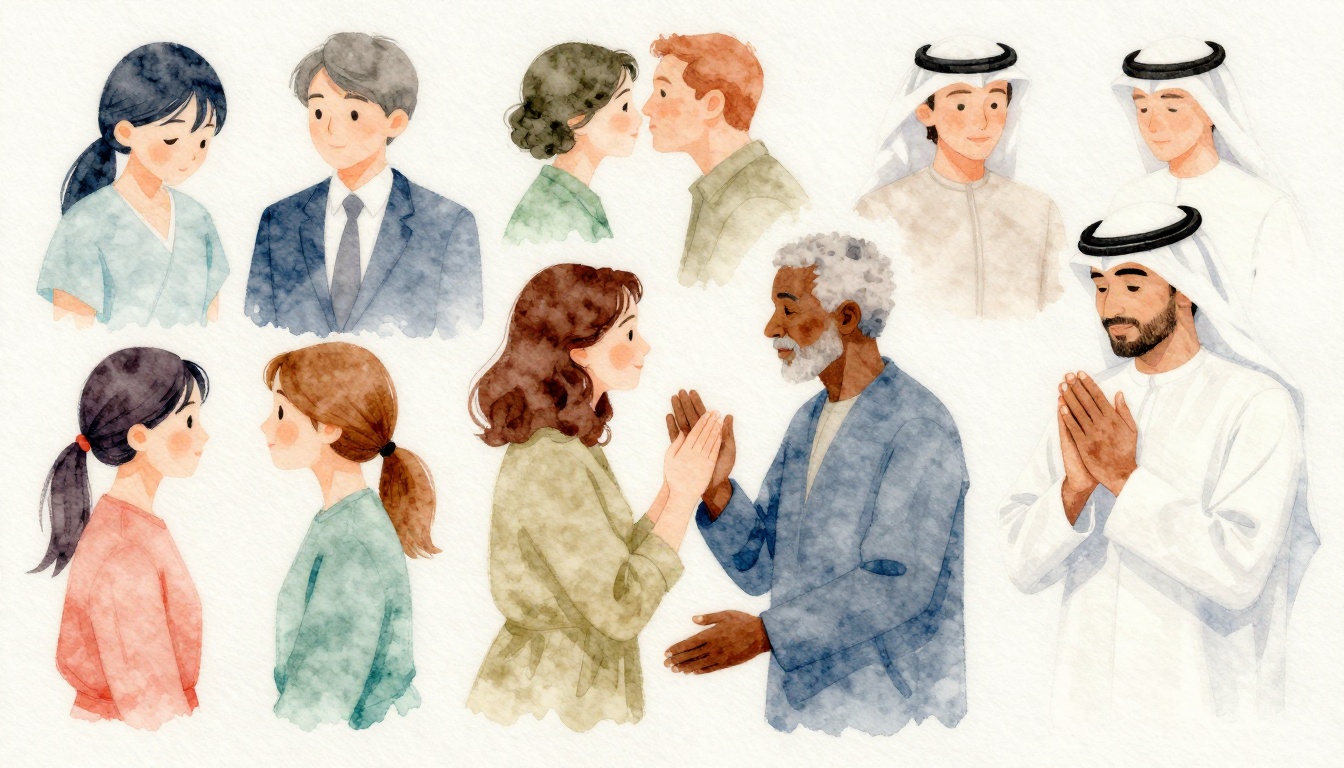
Picture this: You’re a tourist in Japan, excited to meet your host. You thrust out your hand for a firm shake. Instead, they bow deeply, eyes down, leaving you both in an awkward freeze.
That’s a classic mix-up because greeting customs differ between cultures. A handshake screams friendliness in one place; it feels pushy or rude in another. These habits reflect deep values like respect for elders, personal space, or group harmony.
You might cringe at unwanted cheek kisses in Europe or snap a too-quick handshake in Africa. But knowing the differences stops those fumbles. It builds instant trust and makes your travels smoother.
We’ll break it down by region, starting with Asia: bows, wais, and namastes. Then Europe, Middle East, Africa, Latin America, North America, plus foolproof tips. Ready to greet like a local?
Europe’s Mix of Handshakes and Cheek Kisses
Europe greets with a fun mix of handshakes and cheek kisses, but rules shift by country. You might start with a firm grip in one spot, then lean in for kisses nearby. These habits show warmth or respect, and locals expect you to follow suit. Post-COVID, elbow bumps popped up in crowds, yet kisses returned strong among friends by 2026. Always greet elders first, match their move, and avoid kissing strangers. That builds quick rapport. Let’s break down key spots.
Mastering France and Spain’s Cheek Kiss Rituals
France loves la bise, two light kisses starting on the right cheek. Even kids join in; it’s casual for friends and family. Air kisses or soft cheek touches work fine, no puckered lips needed. In Spain, begin with a handshake on arrival and departure, then add two kisses for all ages if close. Women kiss women and men-women pairs; men often stick to handshakes.
Observe locals closely. They signal the number and side with a head tilt. Lean the same way to avoid the awkward cheek bump.

Here are quick tips to nail it:
- Stand close but relaxed.
- Women lead with women or mixed groups.
- Pause after the first kiss.
- Skip if they offer a hand instead.
For full details on France’s two-kiss norm, check The Art of La Bise: The Definitive 2026 French Etiquette Guide. Tourist traps? Wrong side or too many kisses. Just watch and copy.
UK and Russia’s Handshake Variations
The UK favors handshakes for most meets, quick and light with a peck for close pals. Keep it confident, eye contact locked. Russia goes firmer: men grip strong, women softer, often with three kisses (right-left-right) for friends. Hugs suit buddies too.
Eye contact seals respect in both. Aim for firm, not crushing. Weak shakes scream unsure; pump too hard and you crush fingers.
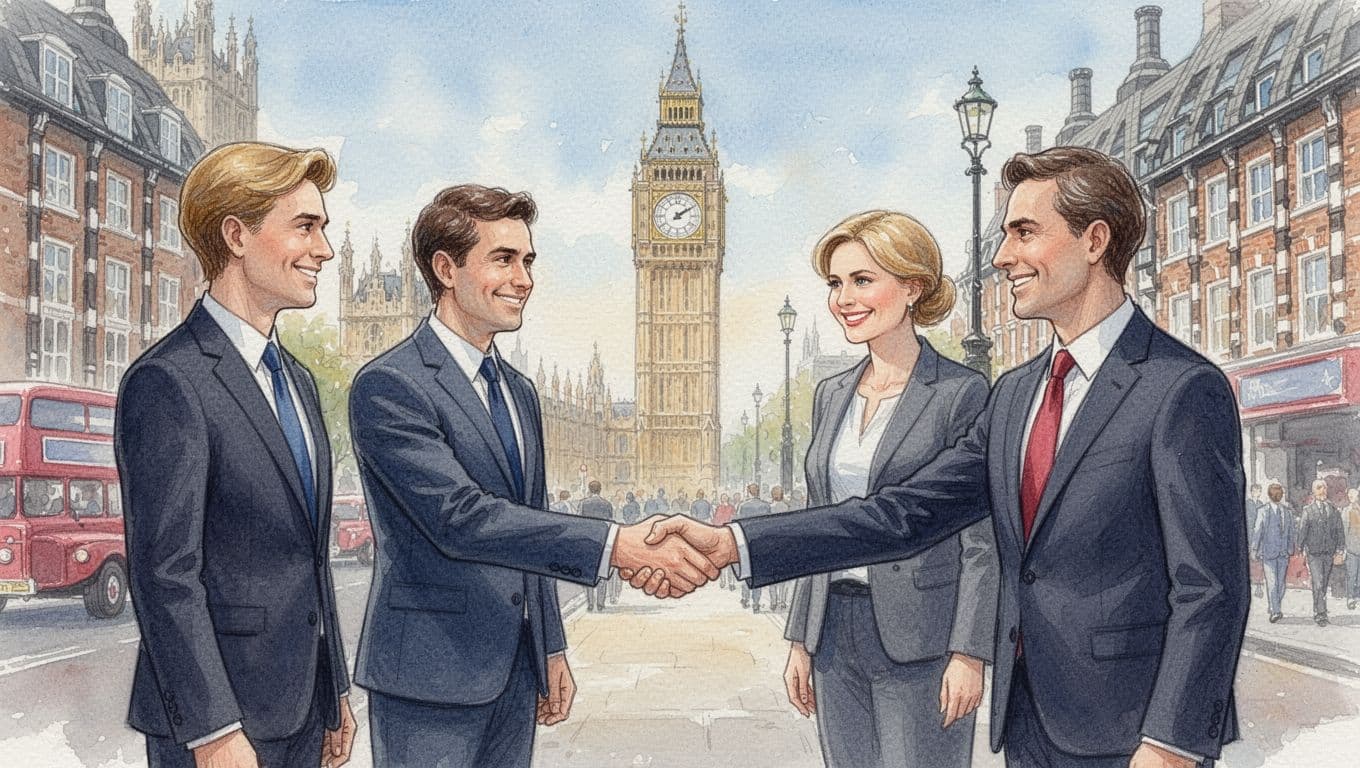
Post-2026, smiles or nods fill in for caution, but handshakes dominate. Common flub? No eye contact or limp palms. Instead, greet groups left to right. For Russia specifics, see How to Greet People in Russia: A Guide to Etiquette. Practice these, and you’ll fit right in.
Asia’s Bows and Namaste for Deep Respect
Asia favors bows and namaste over handshakes because these moves signal hierarchy and inner respect. You bend deeper for bosses or elders; it keeps things contact-free, which gained traction post-COVID. By 2026, Japan, India, and Thailand stuck with these traditions fully, as they dodge germs better than hugs. China prefers simple nods or light grips instead. Always greet elders first, match their depth, and kick off shoes indoors. Big no-nos include firm shakes or back slaps. Let’s look closer at standout styles.
Japan’s Precise Bowing Etiquette
Japan’s bow, or ojigi, sets the tone for any meet. It shows rank clearly: a quick 15-degree tilt suits equals or casual chats. Go 30 to 45 degrees for clients or higher-ups. Bosses or apologies demand 90 degrees, almost a full kneel. Keep hands straight at your sides, eyes down, no touching. Hold it two to three seconds; bobbing looks nervous.
Business meetings amp it up. Exchange cards, called meishi, with both hands. Study theirs first, then tuck away yours neatly.
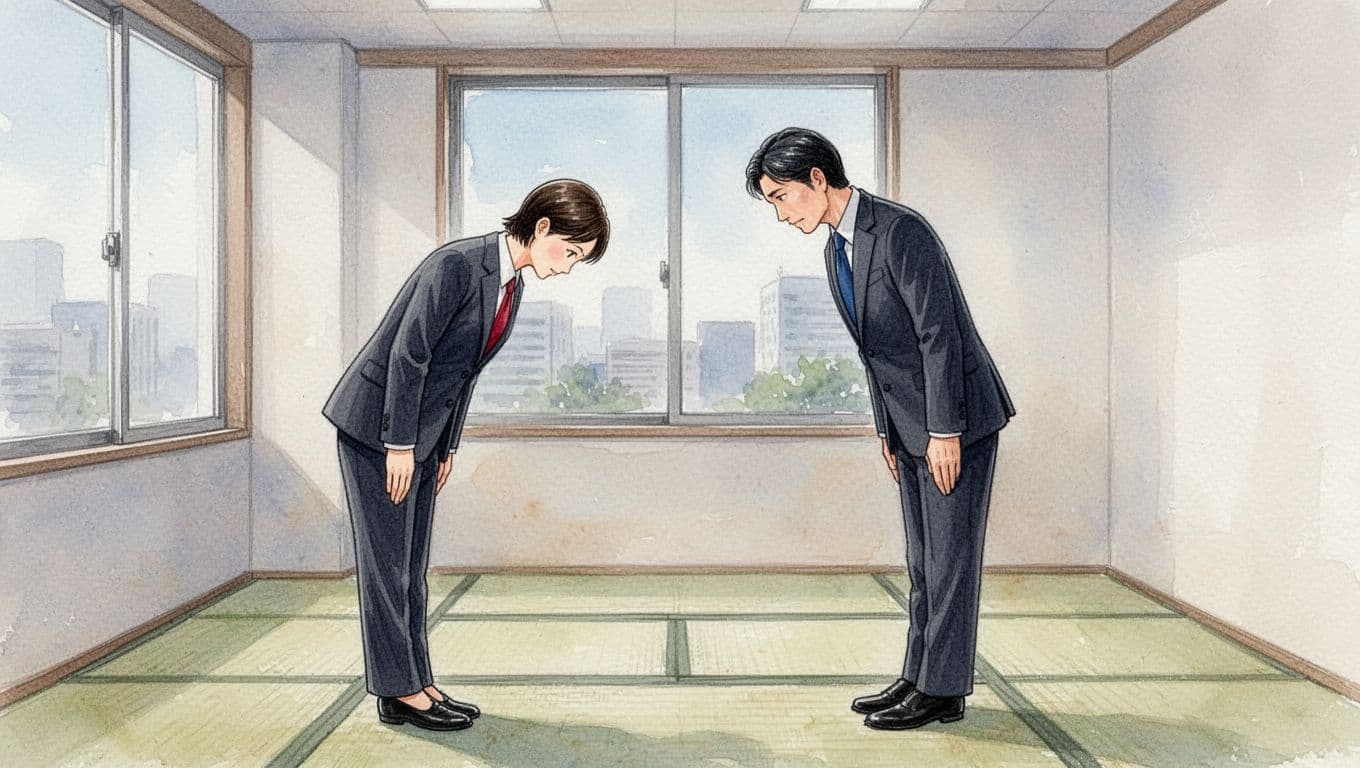
Practice these angles in a mirror to nail them. If you mess up, a quick deeper bow says sorry without words. For exact depths in business, see this guide to Japanese bow angles. Westerners mix in handshakes now, yet bows rule daily life.
Here are key tips to blend in:
- Mirror their bow depth right away.
- Men keep hands at sides; women clasp lightly ahead.
- No hugs, even with friends.
- Apologize with an extra-deep tilt if needed.
India and Thailand’s Namaste and Wai
India’s namaste works everywhere: press palms together at chest height, add a slight head bow, and say “namaste.” It honors the divine spark in others. For elders, touch their feet lightly then your own forehead. Skip left hands; they’re for hygiene.
Thailand’s wai mirrors it with prayer hands. Raise to forehead for monks or elders, nose for peers, chest for kids or service folks. Pair with “sawasdee” and a smile. Age and status dictate the height, so watch first.
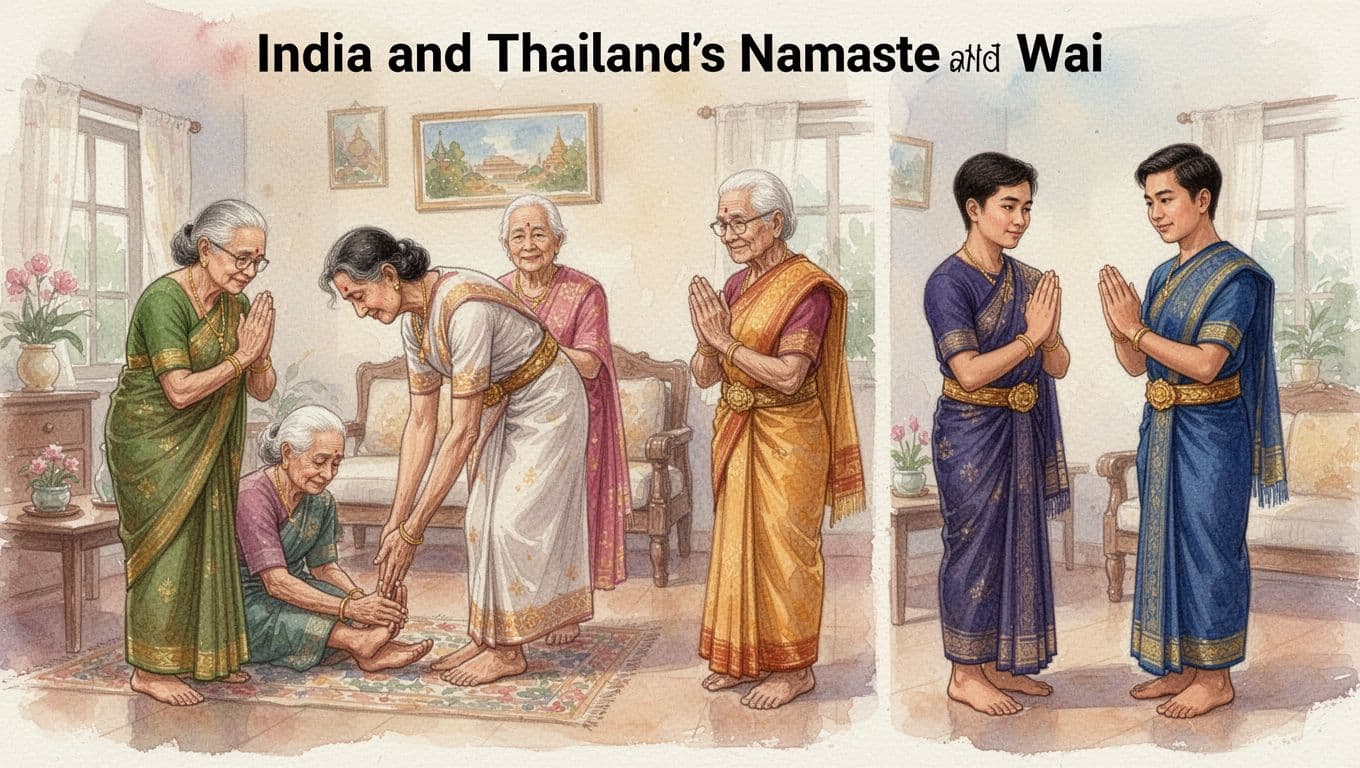
Both stayed huge post-COVID for no-touch ease. Casual waves confuse locals, so stick to palms. Learn feet-touching respect in India’s elder customs guide. Greet groups elder-first to shine.
Middle East’s Right-Hand Salaam Traditions
Middle Eastern greetings center on salaam alaikum, a phrase that means “peace be upon you.” People respond with “wa alaikum salaam,” or “and peace be upon you too.” This exchange sets a tone of respect and warmth right away. The right hand plays a key role because locals see it as clean and honorable. The left hand stays out of it, linked to hygiene taboos. You build trust fast by following these simple rules. Post-COVID, some spots added more nods, yet traditions hold strong.
Unpacking the Salaam and Right-Hand Shake
Start every meet with “as-salamu alaykum.” Men often follow with a right-hand shake if the other offers first. Hold it a bit longer to show friendship. Close pals might add cheek kisses or walk hand-in-hand. Women greet women the same way.
Always use your right hand only. It signals respect in daily chats, business, or markets. Greet elders first, and stand at a polite distance.
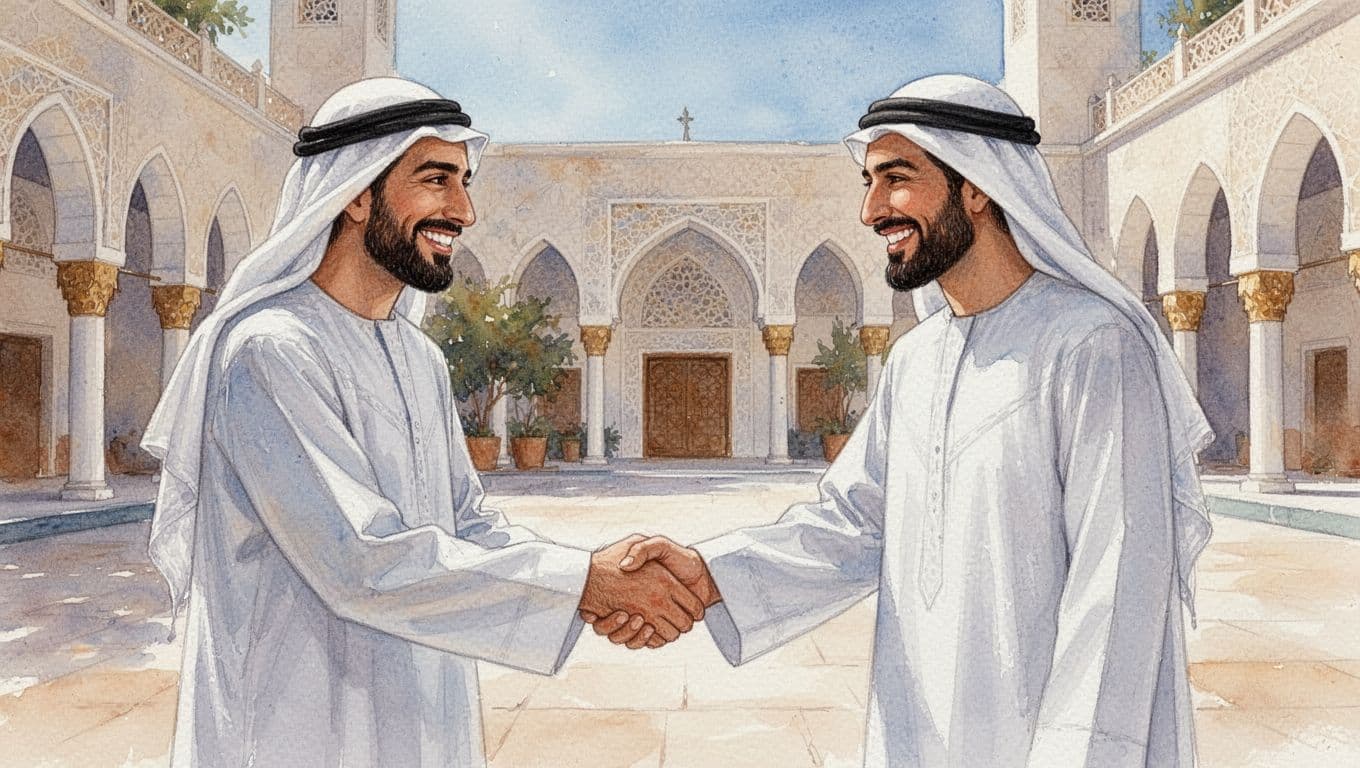
Here is how to get it right:
- Say the phrase clearly with a smile.
- Extend your right hand palm down.
- Match their grip strength.
- Release after a few seconds.
Big mistakes include using the left hand or rushing the shake. Instead, pause and observe. For more on these basics, see the Saudi Arabian Greetings guide from Cultural Atlas.
Saudi Arabia’s Gender-Specific Rules
In Saudi Arabia, men shake hands with men using the right hand. Wait for them to extend first. Women skip touches with men altogether. Instead, nod and place your right hand over your heart. A smile seals it.
Women greet other women with handshakes or hugs. Everyone dresses modestly, covering shoulders and knees. These steps honor local values and avoid offense.
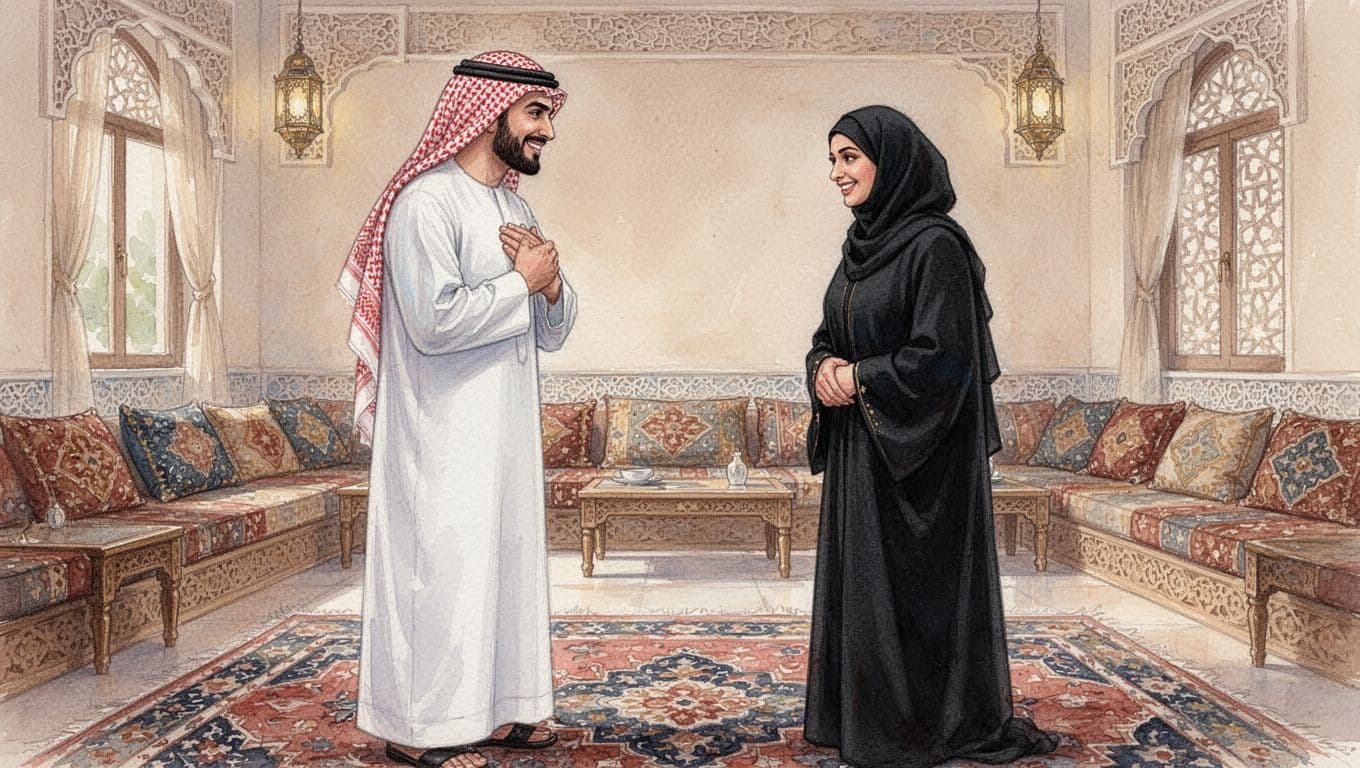
Post-2026, nods grew common for caution, but core habits persist. Common flubs? Initiating contact across genders or left-hand slips. Watch locals, respond in kind, and you’ll connect smoothly.
Africa’s Claps, Hugs, and Elder-First Hellos
Africa’s greetings burst with energy through claps, hugs, and always elders first. You start by spotting the oldest person in the group. Then clasp their right hand or hug warmly before moving on. These moves honor age and community ties. Claps add rhythm, like a welcome drumbeat. Post-COVID, hugs dropped a bit; claps rose because they keep distance yet feel close. So, smile wide, use titles like “Aunty” or “Uncle,” and chat briefly about health or family. Skip elders or stare blankly? That kills rapport fast. Instead, copy their claps exactly and take your time.
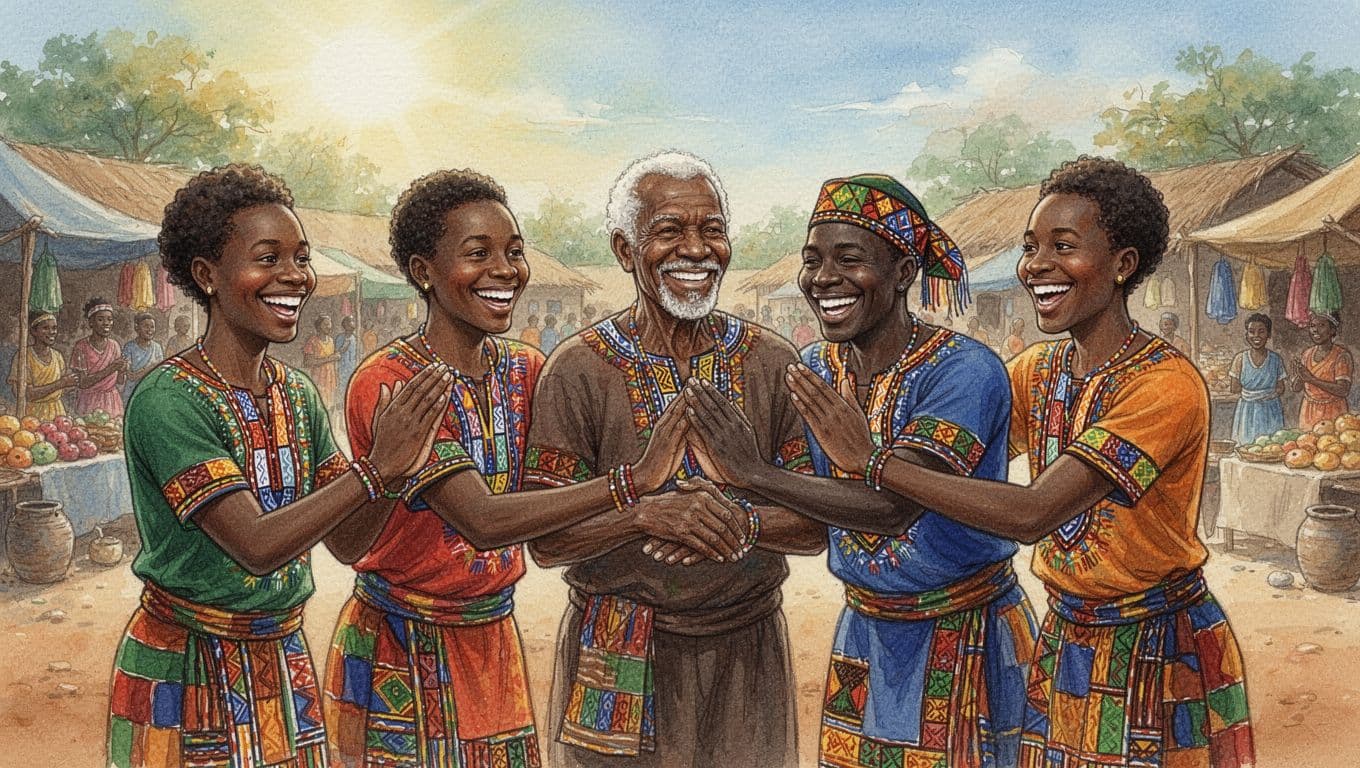
In places like Mozambique, folks add three sharp claps after a shake. Niger uses fist bumps near the head for respect. Ethiopia stretches hellos into long chats about your trip or crops. These habits build trust quick, so locals open up.
Nigeria and Zimbabwe’s Communal Snaps
Nigeria kicks off with hand clasps then quick hugs, always the oldest first. Younger folks grab the elder’s right hand, snap fingers lightly, and pull into a brief embrace. Women might kneel slightly too. Greet the whole group next, from senior to junior. Add a “Good morning, sir” or “How’s the family, ma?” because small talk seals it.
Zimbabwe mixes shakes with clap sequences by gender. Men clap palms flat three times after a firm grip. Women angle hands, thumbs up, pinkies down, for a softer rhythm; they often kneel to elders. Everyone stands close, eyes warm. However, rush it and you seem rude.
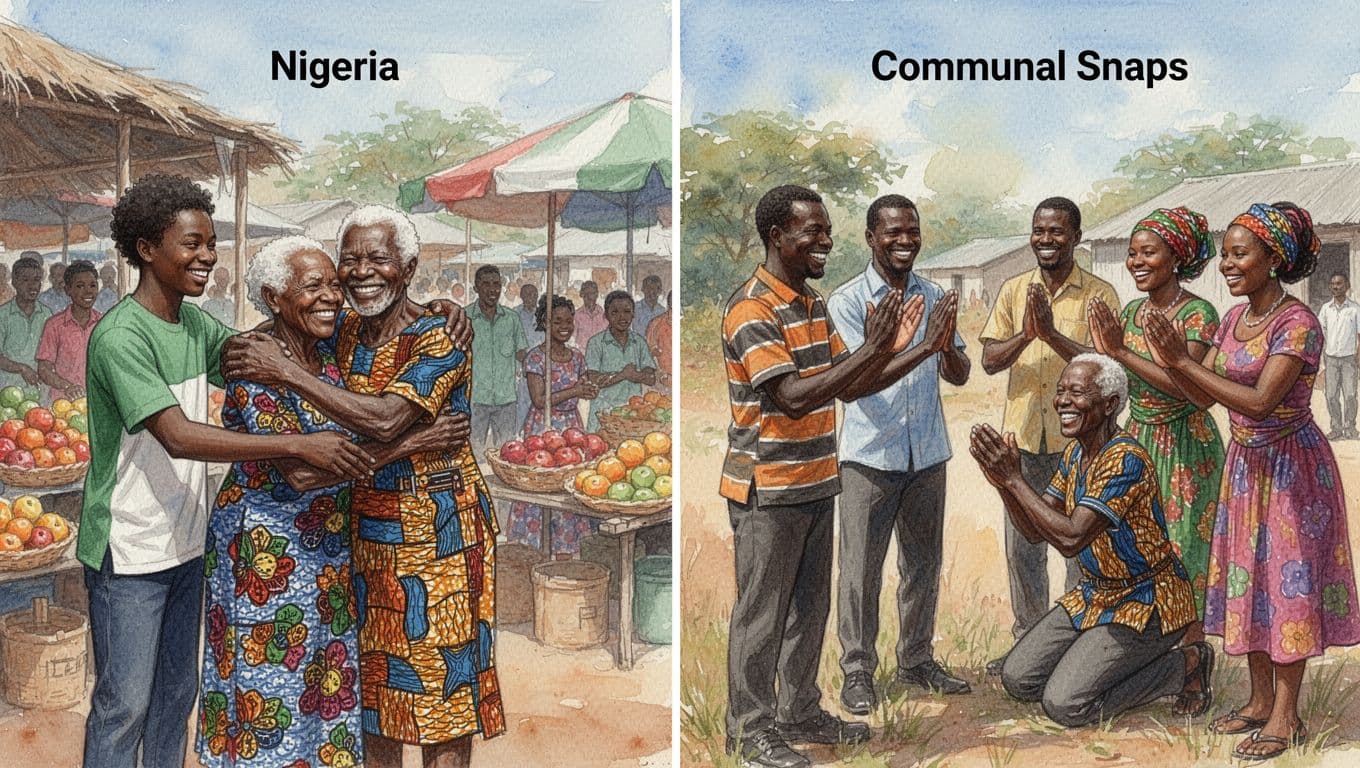
Both spots demand you mirror moves precisely. For Nigeria details, see Nigeria greetings and respect from LangMedia. In Zimbabwe, check the Cultural Atlas on Zimbabwean greetings.
Here are tips to shine:
- Spot elders first; greet them solo.
- Smile big during claps; hold eye contact soft.
- Chat two minutes on well-being before business.
- Women, add a knee dip if they do.
Common slips include left-hand use or skipping chats. Practice these, and you’ll feel the warmth right away.
Latin America’s Hugs and Single Kisses
Latin America bursts with warm hugs and cheek kisses that pull you right into the vibe. These greetings show affection fast, no matter if you know the person well or just met. Brazil sticks to one light kiss after a shake. Mexico favors hugs with back slaps or quick kisses. Argentina goes for two kisses, right cheek first. Men often shake other men but kiss women. Closer personal space feels normal here, so don’t step back. Post-COVID, folks tried air kisses at first. However, by 2026, hugs and cheek touches came back strong in social spots. Greet women before men sometimes. Always ask locals about kiss counts because regions vary. Common slip? Pull away too quick or grip women too hard. Instead, smile wide, match their energy, and enjoy the warmth.
Brazil’s Friendly One-Kiss Welcome
Brazilians start every hello with a firm handshake and steady eye contact. That builds trust in seconds. Next, they lean in for one light cheek kiss, cheeks brushing softly. No puckered lips needed; it’s quick and friendly.
You do this with everyone, even strangers after a simple intro like “Hi, I’m Alex.” Women kiss women and men-women pairs. Men kiss women too, or shake if formal. Hugs often follow for pals, pulling you close like old friends. Stand near because distance feels cold here.
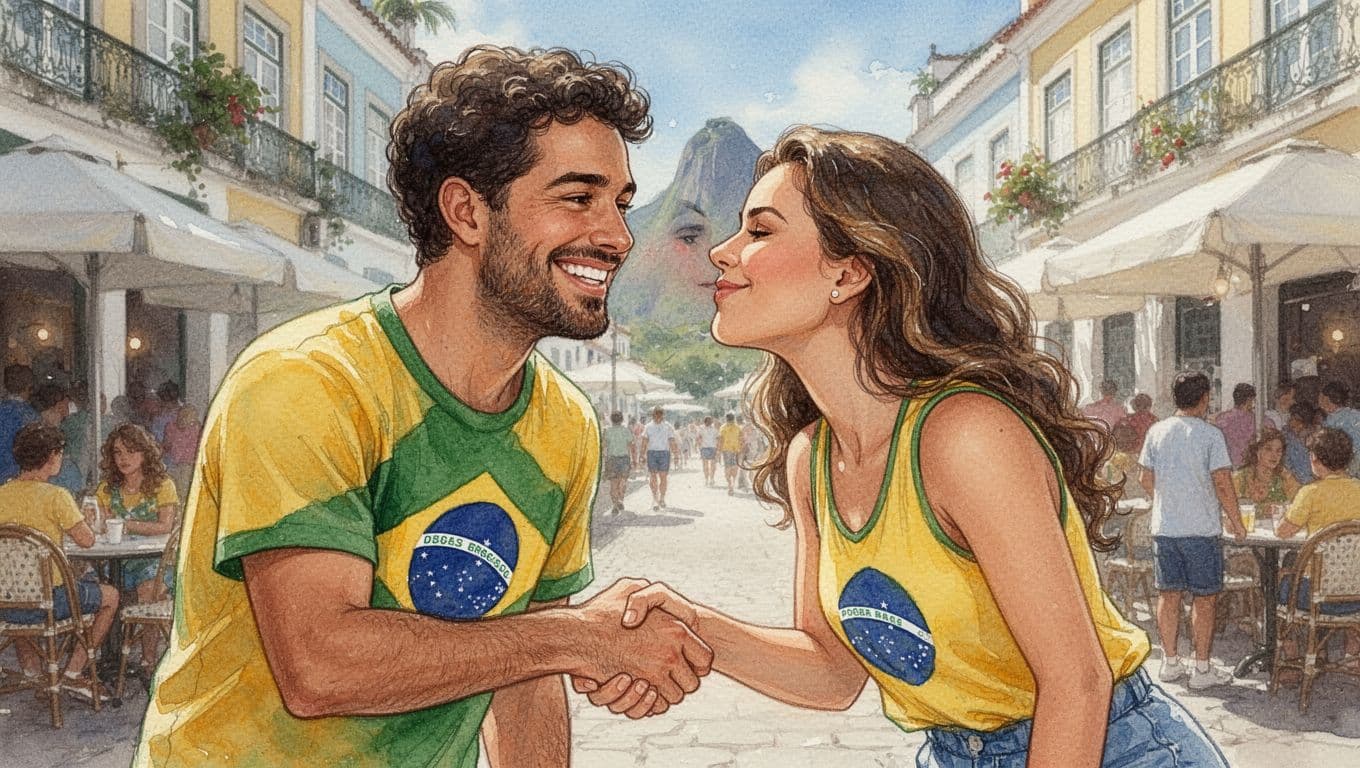
Post-2026, crowds still see lighter air kisses for caution. But among friends, cheeks touch again, hugs wrap tight. Big mistake? Yank back early or squeeze too hard, especially women. So, relax your arms and flow with it.
Here are steps to nail it:
- Lock eyes, grip firm but kind during the shake.
- Tilt head right for the kiss; let cheeks meet light.
- Add a hug if they do; pat the back soft.
- Greet groups one by one, women often first.
For deeper tips on Brazil’s affectionate style, check The Warm Embrace: Unpacking Brazil’s Kissing and Hugging Culture. Practice once, and you’ll blend in smooth.
North America’s Firm Handshakes and Fist Bumps
North Americans stick to firm handshakes and eye contact as the go-to greeting. You use them for business, first meets, or anyone really. Unlike Asia’s bows or Latin America’s hugs, these feel direct and equal. Canada mirrors the US closely, so rules stay simple across the border. Post-COVID, fist bumps and elbow taps joined in because they cut germ risks. Hugs suit close friends only; kisses stay rare outside family. Always match their energy. Weak grips flop here, so practice a solid hold without crushing.
US and Canada’s Business-Ready Handshakes
Start with a firm handshake in the US or Canada. Grip palm-to-palm, shake twice, and lock eyes with a smile. It shows confidence right away. Men shake men, women shake women or mixed pairs the same way. Release quick; lingering looks odd.
Business amps it up. Stand tall, feet shoulder-width. Say your name clear during the shake. Elders or bosses get the same firm grip, no bowing needed.

By 2026, some skip shakes for nods in crowds, yet they rule meetings. Big errors? Limp hands or no gaze; they signal doubt. Instead, pump steady. For US tips, see American Greetings and Introductions for Newcomers.
Here is how to perfect it:
- Extend your hand first if you lead.
- Squeeze medium-firm; match their pressure.
- Hold eyes two seconds.
- Pull back smooth after the shake.
Casual Fist Bumps and Hugs Among Pals
Friends often swap handshakes for fist bumps or light hugs. Bump knuckles quick with a grin; it feels fun and safe post-COVID. Elbow taps work too in germ-wary spots. Hugs come next for buddies; one arm pat-back style. Ask first if unsure, like “Hug okay?”
Kisses? Skip them with strangers; they confuse folks here.
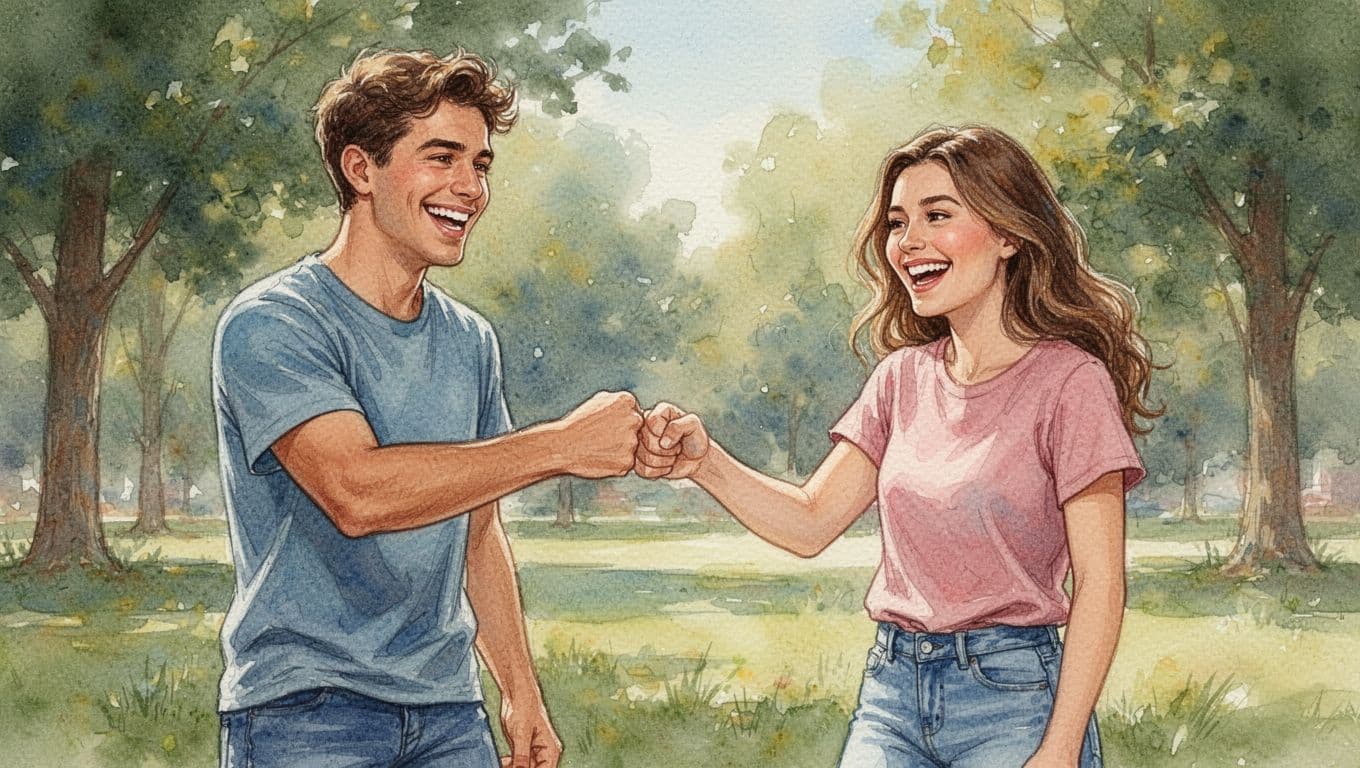
These beat Europe’s kisses or Africa’s claps for low-key vibes. Common slip? Hugging new people too soon. Watch their cue, then follow. Check Canadian greeting norms for 2026 for more.
Avoid These Tourist Traps and Pro Tips for Any Culture
You have the regional breakdowns now. So how do you pull it all together without a slip-up? Common tourist traps trip up even smart travelers. However, simple pro tips fix that fast. Watch locals, adapt quick, and you’ll earn smiles everywhere. Let’s spot the pitfalls first, then arm you with fixes.
Common Tourist Mistakes to Dodge
Travelers often charge in with home habits. That creates instant awkwardness. For example, hugs feel natural back home. Yet in Asia, they invade space; locals bow instead to show respect.
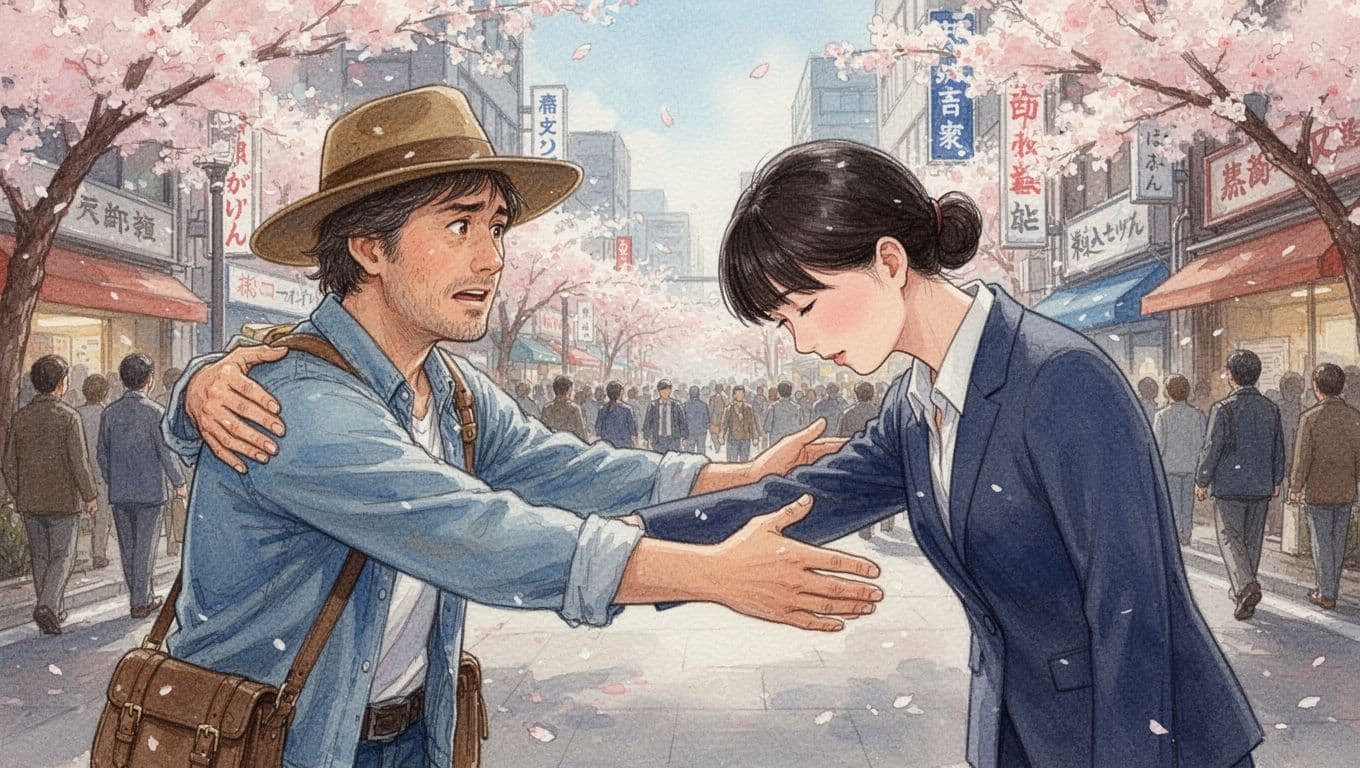
In the Middle East, left-hand shakes offend because that hand ties to hygiene rules. Always go right. Africa demands elder-first order; skip it, and you seem rude. Europe trips on kiss counts too; two in France, three in Russia. Post-COVID, some stuck to waves for safety. But physical greetings revived by 2026, so match the crowd. Check Travel Greeting Etiquette: 7 Wild Greeting Mistakes to Avoid for more real stories.
Greeting Customs Quick Comparison
This table sums up key styles and traps. Use it as a cheat sheet before trips.
| Region | Typical Greeting | Big Don’ts |
|---|---|---|
| Europe | Cheek kisses, shakes | Wrong side or count |
| Asia | Bows, namaste, wai | Hugs or firm grips |
| Middle East | Salaam, right-hand | Left hand or gender mix-ups |
| Africa | Claps, hugs, elder-first | Skip elders or rush chats |
| Latin America | Hugs, single kisses | Pull away too soon |
| North America | Firm shakes, bumps | Limp grips, no eye contact |
Spot patterns fast with this. As a result, you’ll dodge 90% of flubs. Notice no-touch options like bows persist post-COVID for ease.
Pro Tips That Work Anywhere
These steps build confidence across spots. Start simple, stay observant.
- Watch and copy: Mirror locals’ moves right away. They guide you best.
- Smile wide: It softens any small error. Pair it with eye contact.
- Elders first: Greet seniors solo in groups. Honor flows from there.
- Adapt post-COVID: Bows or waves suit cautious crowds. Hugs returned strong by 2026.
- Ask if stuck: “How do you greet here?” opens doors politely.
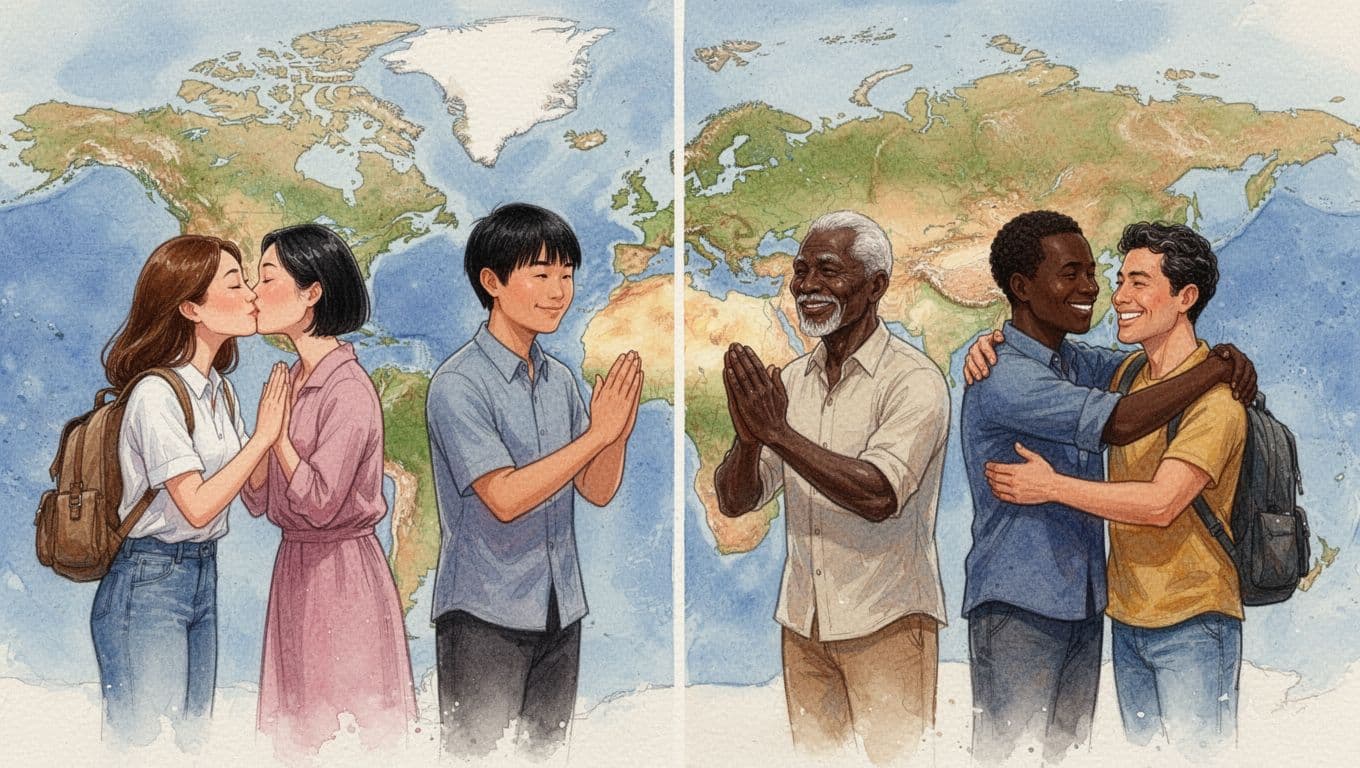
Practice once, and adaptation feels natural. You’ll connect deeper, travel smoother. For extra dos and don’ts, see Dos and Don’ts of Greeting Etiquette Around the World. Go greet like you belong.
Conclusion
Greeting customs differ between cultures in clear ways. The West leans on handshakes and cheek kisses. Asia favors bows and namaste. The Middle East sticks to right-hand salaam. Africa adds claps and elder-first hugs. Latin America embraces warm single kisses.
Yet the strongest takeaway stays simple. Observe locals first. They guide you to respect and smooth connections every time. That awkward Japan bow mix-up from the start? It vanishes when you watch and match.
Share your funniest greeting story in the comments below. Then plan your next trip with these tips in mind. Dive into new cultures confidently, one hello at a time.