
Imagine you’re an American executive in Brazil for a big meeting. You arrive 15 minutes early, coffee in hand, ready to dive in. But 30 minutes pass. Then an hour. Your host strolls in with smiles and hugs, acting like everything’s fine. Frustrating, right? Or picture a German manager vacationing in the Caribbean. Locals move on “island time,” and trains or dinners run late without apologies. The manager fumes because back home, five minutes late signals disrespect.
These moments highlight cultural differences in time and punctuality. In some places, clocks rule every second. In others, relationships matter more than schedules. Experts call this monochronic versus polychronic cultures. Monochronic folks treat time like a straight line: one task, stick to the plan, show up early. Polychronic people see time as fluid: multitask, chat first, adjust as needed.
Why does this happen? History, religion, and daily life shape these views. This post breaks it down with real examples from Germany to India. You’ll see roots and how globalization in 2026 mixes things up. Next time you travel or work abroad, you’ll adapt smoother and avoid awkward waits.
Monochronic Cultures: Where Clocks Come First
People in monochronic cultures view time as a resource. They focus on one thing at a time. Schedules stay rigid because punctuality shows respect and efficiency. Think of time like money: waste it, and you lose.
Industrial history boosted this mindset. Factories needed clocks for shifts. Today, it drives business success.

Germany, Switzerland, and Japan: Early is On Time
Germans and Swiss often arrive 10 to 15 minutes early. They plan every detail. Meetings start sharp, no small talk first.
In Japan, people show up 15 to 30 minutes ahead. This honors others’ time. Late trains trigger public bows from staff. One rider shared how conductors apologize deeply for a two-minute delay. Daily life reflects this: schools and jobs enforce strict timelines.
For more on these time views, check Clockify’s guide to time perception across cultures.
USA and Northern Europe: Five Minutes Late Counts
Americans split time into five-minute blocks. Jobs or classes ding you for lateness. Interviews demand pinpoint arrival.
Northern Europeans act the same. Scandinavians value efficiency too. A late train means compensation. One expat in Sweden noted how bosses track minutes closely.
However, they forgive small slips among friends. Still, work demands precision. As a result, tools like calendars rule their days.
Polychronic Cultures: Relationships Trump the Clock
Polychronic cultures flip the script. Time bends around people and events. Folks juggle tasks, interrupt freely, and start late without stress. Bonds build during waits.
They follow “event time,” not clock time. A meeting waits for everyone. Deadlines flex if relationships need care. For deeper insights, see Temporacy’s take on monochronic vs. polychronic clashes in teams.

Latin America and Brazil: Fashionably Late Shows Status
In Brazil, meetings kick off 30 minutes late, sometimes more. One story tells of a two-hour class starting an hour behind. Hosts prioritize greetings.
Mexico mirrors this. Arriving on time marks you as eager, not important. Status plays in: big shots linger elsewhere first. Social norms value warmth over watches.
Middle East, India, and Morocco: Flexible Blocks of Time
Arabs in Saudi Arabia or Egypt put relations ahead. Guests arrive punctual, but hosts delay for hospitality.
India splits it: visitors show early, hosts run flexible. China guests arrive sharp; hosts adjust.
Moroccans use 15-minute blocks. Thirty minutes late? That’s two units, no big deal. In addition, prayer times shift everything smoothly.
Uncovering the Roots: History, Religion, and Society Shape Time
Why these splits? History planted the seeds.
Monochronic roots trace to Protestant work ethic. Clocks synced factories in Europe and America. Efficiency equaled progress. Japan adopted it post-war for growth.
Polychronic views stem from tight family ties. In Latin America, social harmony trumps solo tasks. Islam stresses community; Hinduism values natural flow.
Chronemics, the study of time in communication, explains these patterns across societies.
For background, Wikipedia’s entry on chronemics covers the basics.
Society reinforces it too. Cold climates pushed planning in the North. Warmer areas favored flexible gatherings.
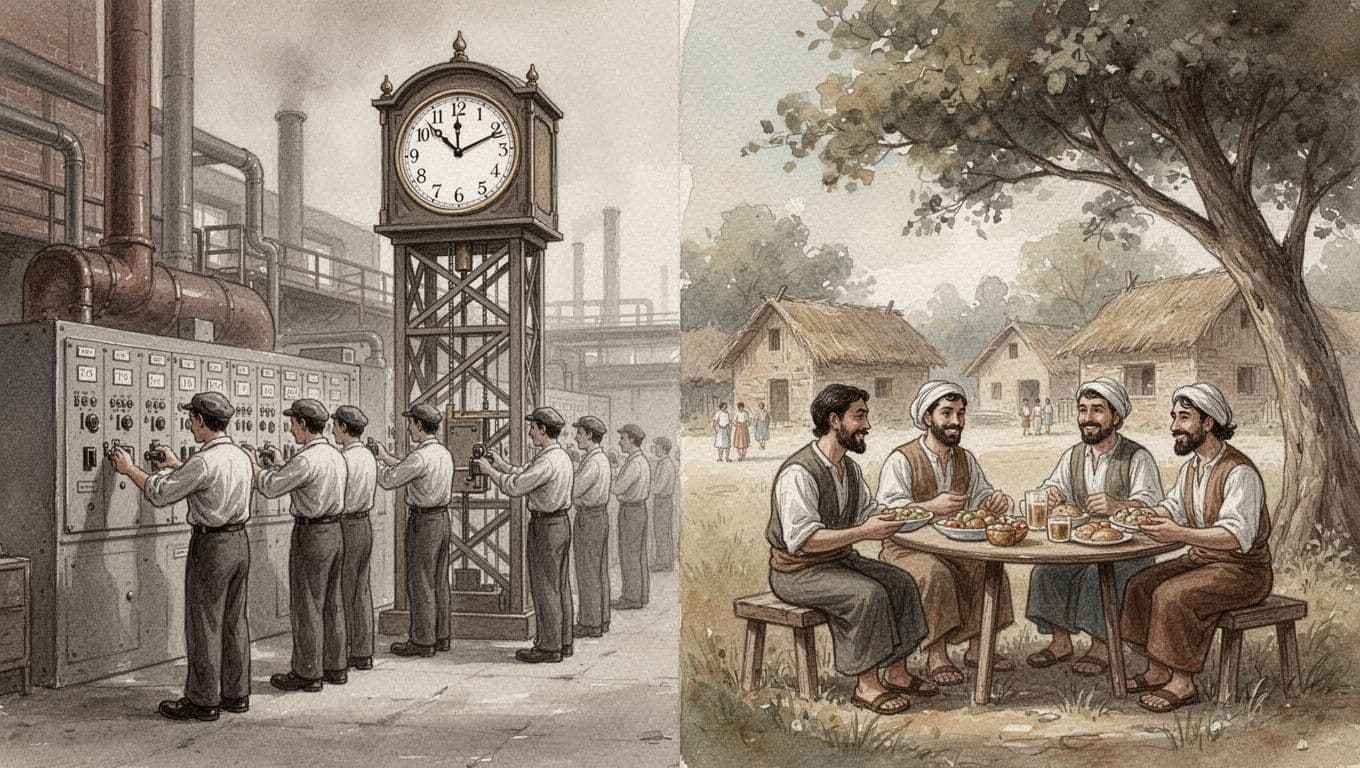
Industrial precision built monochronic habits. Villages nurtured polychronic ease. Religion added layers: discipline in Protestantism, balance in Eastern faiths.
Meanwhile, economics mattered. Wealthy nations timed production. Others focused on people.
Globalization Mixing Time Styles in 2026
Global teams blend these worlds now. Remote work exploded by March 2026. Hybrid setups rule 75% of firms. Companies hire from Brazil, India, and the Middle East for skills and savings.
Yet clashes persist. Polychronic workers multitask well but flex deadlines. Async tools help: share docs, skip live calls. Latin America’s nearshore appeal fits U.S. zones.
India’s IT pros cover 24/7 shifts. However, time gaps frustrate. Middle East visas draw nomads, but hospitality delays replies.
Here’s a quick view of impacts:
| Region | Remote Fit | Punctuality Hurdle |
|---|---|---|
| Brazil/Latin America | Strong collab, English skills | Flexible starts vs. deadlines |
| India | IT talent, 24/7 coverage | Multitasking vs. sync needs |
| Middle East | Nomad visas, async prayer bridges | Hospitality slows responses |
Outcomes beat hours logged. Retention rises 76% with flex. Firms train on differences; Globibo details cultural time management.
Expats adapt or stumble. Blends emerge: punctual for West, relational inside.
Time views evolve, but cores linger. Tools bridge gaps.
Monochronic cultures prize clocks as sacred. Polychronic ones favor people first. History and faith forged these paths, from factory whistles to village chats.
Globalization in 2026 tests them. Remote teams mix styles, so awareness wins.
Adapt like this: Arrive early in Germany or Japan; build rapport in Brazil first. Use apps for cultural tips. Stay flexible on business trips. Observe locals.
Share your story below. Ever waited in vain abroad? Empathy turns clashes into connections. You’ll thrive anywhere.